
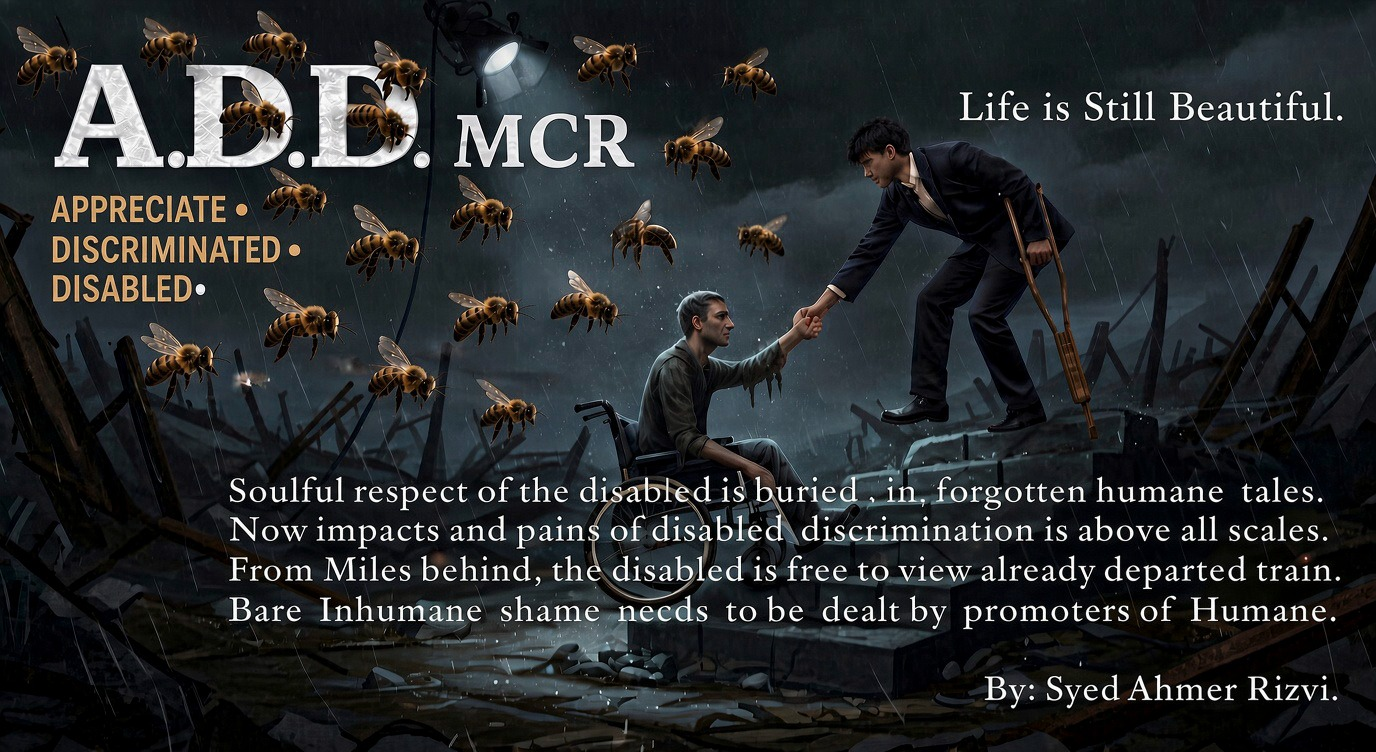
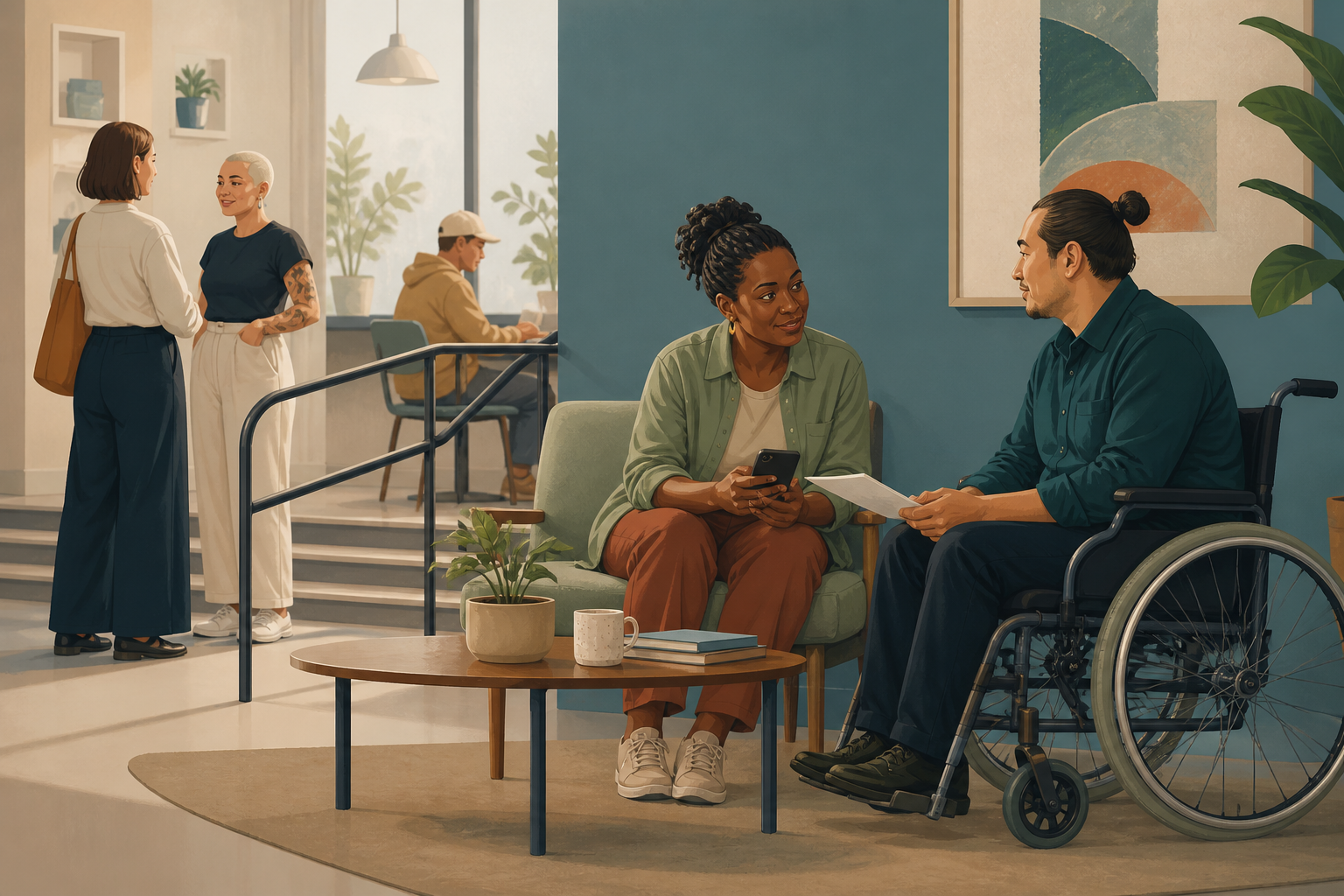
In real life, it is not always easy to begin asking for help. Sharing your troubles with someone who lacks the capacity and intention to help destroy your own dignity and your pain turns into public entertainment. We are taught to be strong. To manage. To stand on our own feet. We have dignity, self-respect, and self-esteem. We do not naturally want to expose our weakness, deprivation, loneliness, or pain to another person. And life itself sometimes teaches us an even harder lesson:
No one will understand. No one will care. No one will be able to help.
So gradually, quietly, we stopped asking. Then we expect nothing from anyone. And perhaps that is one of the loneliest moments in human life, not when help is unavailable, but when somebody has suffered enough to stop believing that asking for it is worthwhile.
If an animal somewhere is in trouble, many of us are ready to rescue but when the same situation comes to fellow human beings, normally we don't bother to stop at the point of human trouble. " Not my problem." As if a birds dropped in river was the rescuer's problem? in such societies, the first wisdom the one in troubles learns is to " keep silent and suffer alone".
A.D.D. begins by challenging that silence. Not with grand promises. Not by pretending that we can solve everything. But by remembering something very simple:
We belong to one another. We are created to create comforts for one another.
Being loved, understood, considered and supported are not luxuries reserved for fortunate people. They are among the fundamental necessities of human existence.

NOTICE:
Before somebody asks for help, somebody must notice. Notice the person. Notice the silence. Notice the tired face. Notice the change in behavior. Notice the person who used to appear and has stopped appearing. Notice somebody struggling with what seems easy to everybody else. Notice the person who says: “I'm fine.” And, when something tells you otherwise, respectfully notice again. Not everybody can ask immediately. Sometimes pain hides. Sometimes dignity keeps it suppressed. Sometimes fear of rejection conceals it. Sometimes previous disappointment teaches a person not to ask again. So do not wait for every struggling human being to produce the perfect sentence: “Excuse me. I require assistance.”
Human beings do not always suffer so neatly.
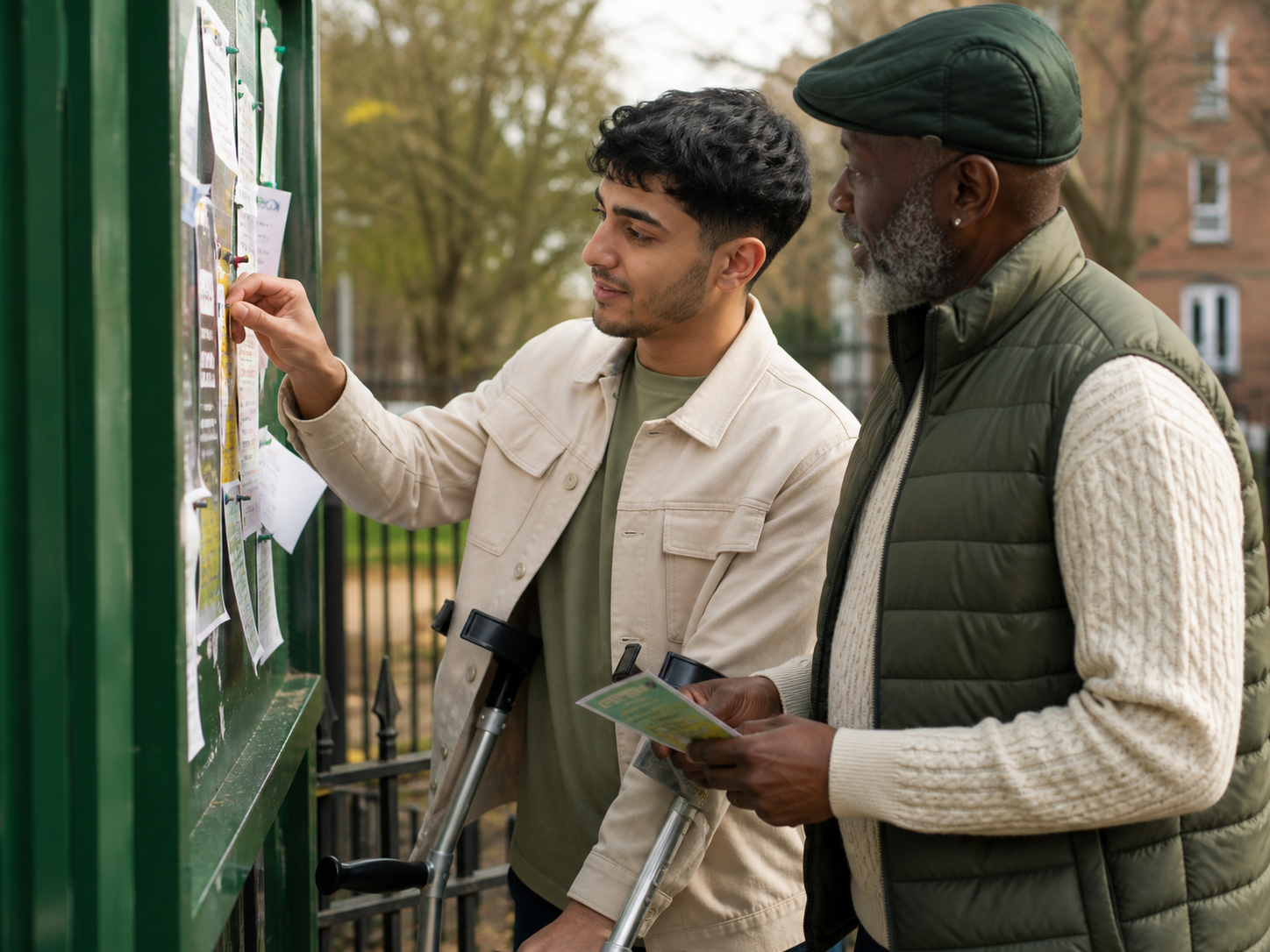
FROM NOTICE TO HUMANITY:
A.D.D. believes in a simple human staircase:
Notice → Sympathy → Understanding → Responsibility → Action → Humanity
Notice first. Allow what you notice to touch you. Then try to respectfully and sincerely understand. Understanding requires listening. Patience. Attention. It asks us to look beyond appearances and, as far as we reasonably can, understand another person's circumstances from where they are standing. Because:
Understanding delayed is understanding denied.
And when understanding shows us that something is reasonably within our reach, responsibility begins. Responsibility should not remain merely a feeling. It should find expression.
Action: Humanity Is Something We Do
Humanity is not measured only by what we possess. Nor by what we call ourselves. Nor by the organizations we belong to. It is also measured by what our existence and actions create in the hearts and lives of others. Did somebody feel safer because we were there? More understood? Less isolated? More hopeful? Did we ease the burden? Open the door? Restore some courage? Did our presence make another human being feel that they still belonged somewhere in this world? In this life? To cushion a sensitive, wounded soul and breathe into it the quiet warmth of dignity, hope and purpose is to touch the very heartbeat of life itself.

HOPE IS THE EASIEST CULTIVATION.:
And human brain, no matter how depressed, is the best place to sow it. And sometimes what it requires is surprisingly little. You already have something to give. Perhaps you understand smartphones and computers. Somebody else does not. Perhaps you know how to create an online account. Somebody has been staring at the same screen for days. Perhaps you understand how to upload a document. Make a telephone call. Write a clear email. Find the right service. Read a letter that seems complicated to the receiver. Complete an ordinary form. Perhaps you speak a language somebody else needs. Perhaps you have professional knowledge. Perhaps you have a car. An instrument. A skill. An hour. 3o minutes. Perhaps all you have today is patience. Do not underestimate it.
What is ordinary in your hands may be extraordinary in somebody else's hour of need.
You do not need to repair their entire life. Perhaps you only need to make one part of tomorrow easier than today.

A.D.D. BEGINS WITH DISABILITY, BUT IT DOES NOT END THERE:
The disabled person was the central character at the beginning of A.D.D. And disabled people remain our priority. Because disability can multiply ordinary tasks into extraordinary difficulties. A staircase. A journey. A form. A queue. A telephone call. An inaccessible system. A misunderstanding. A delay. Something small for one person can become an enormous barrier for another. But while beginning with disability, A.D.D. discovered something larger: A.D.D. began with honoring and Appreciating Discriminated Disabled people. It grows by inspiring humanity. The central character becomes a human being. Not by forgetting disability. But by asking every human being to recognize what they can become through the way they treat another.

WE DO NOT NEED TO BE PERFECT TO HELP:
Sometimes we imagine that helping requires expertise. Sometimes it does. But humanity itself does not require qualifications. You may be struggling, too. You may have problems of your own. You may need help in one part of life and still be perfectly capable of helping somebody in another. A lighthouse does not need to sail every ship. It simply offers whatever light it has. And sometimes even a lighthouse may need somebody to clean its lenses. We all forget our own songs sometimes. Another person may remember a line. Hum it back to us. And suddenly we remember how the rest goes.
Today I may walk with you.
Tomorrow you can walk with me. There is no permanent human category called helper, and another called helped. Life moves us between them.

HELP SHOULD NOT TAKE THE PERSON AWAY:
A.D.D. does not believe in making people smaller in order to help them. Do not take over somebody's life merely because they are struggling with part of it. Do not decide everything for them. Just make the options visible and understandable. Do not turn support into control. Understand and respect their needs in their own context. Recognize what they can already do. Support with what has become difficult. And wherever possible, walk with them until they can comfortably walk that part themselves. Help should regenerate courage, not reproduce dependence. Respectfully understand. Support. Restore. Reproduce hope. Regenerate courage. And allow the person to remain the author of their own life.

LIFE IS STILL BEAUTIFUL:
Imagine somebody who has been worried for days about a letter. You sit beside them. You understand it together. Perhaps you make a call. Perhaps you will help me write an email. Perhaps you will find the correct person. Perhaps the problem is not completely solved. But suddenly the person understands what happens next. Their shoulders relax. Their face changes. The worry that occupies the whole room becomes slightly smaller. Would you not feel something too? Perhaps that quiet feeling is one of the most profound rewards available to us. Not applause. Not payment. Not recognition. Just knowing: “Someone is breathing a little more easily because I was there.” And perhaps both people start believing: Life is still beautiful. Not because life contains no pain. Not because injustice has disappeared. Not because every problem has been solved. But because even among all that can a human heart fast, and another human being can still choose not to walk past.

THERE IS STILL TIME:
The world has not run out of humanity. Sometimes humanity is merely distracted. Sometimes exhausted. Sometimes frightened. Sometimes buried beneath routines, screens, pressures, bills and our own difficulties. Listen to what your inner voice says, buried is just buried, it is not dead. There is still time to notice. Still time to understand. Still time to thank. Still time to forgive where forgiveness is possible. Still time to help. Still time to ask for help. Still time to make somebody feel considered. Still time to rediscover and celebrate what we already knew somewhere inside ourselves: We belong to and are from one another. We are not too late yet.
OUR INVITATION.
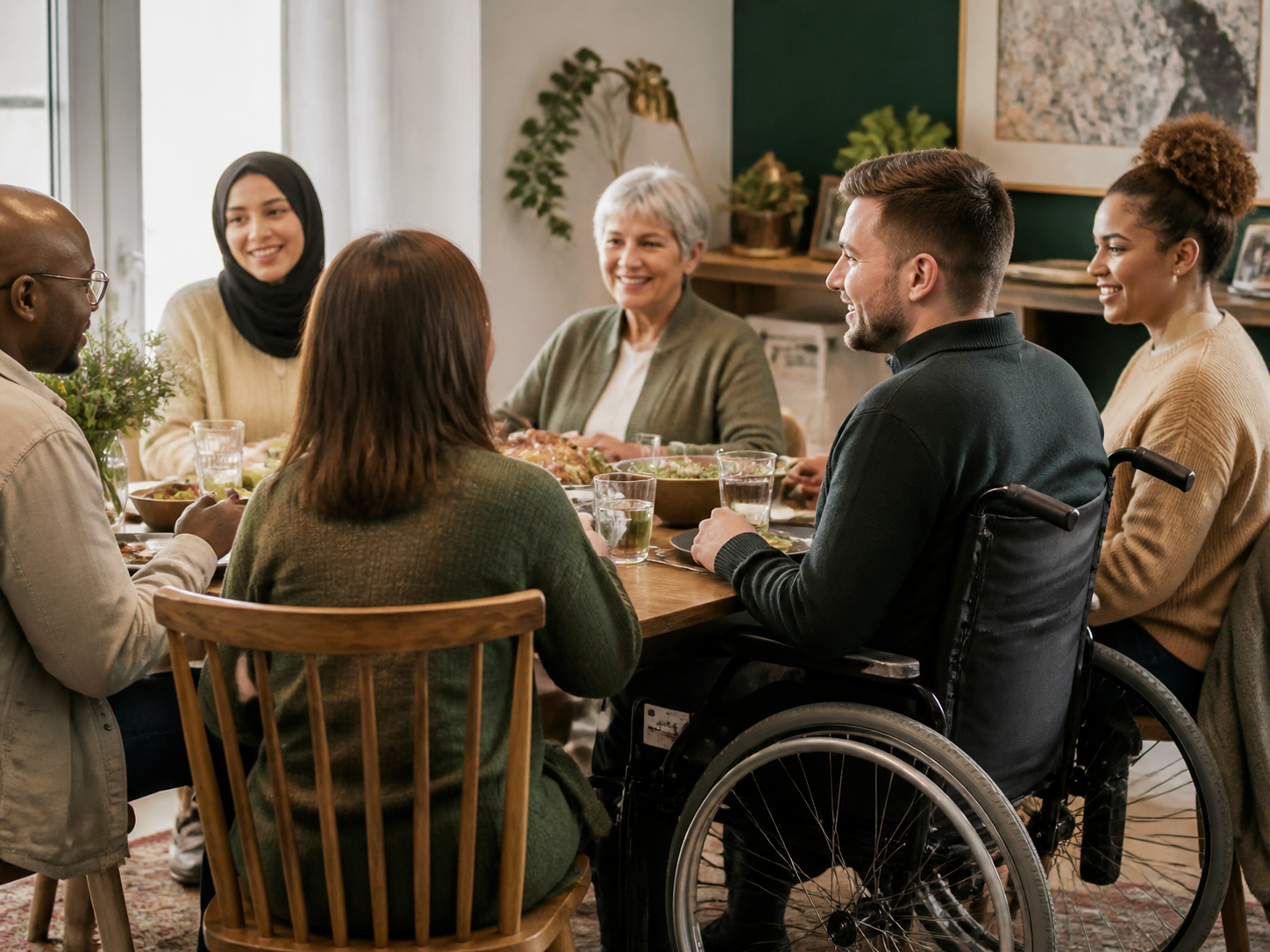
A.D.D. does not ask you to save the world. Start smaller. Look around you like everyone belongs to you. There may already be somebody within your reach.
Notice: Respectfully and sincerely understand. Ask what may help. Do what reasonably can be done. And if you cannot do it yourself, perhaps help them find somebody who can. One person. One difficulty. One hour. One act. One human being beside another with all sincere empathy. That is enough for the beginning.