
WHAT HAPPENED — AND WHAT DID WE FAIL TO NOTICE? Notice to think a plan of action. Notice to feel other’s feelings.
Every day, thousands of stories pass before us. Headlines appear. Notifications flash. Politicians speak. Institutions respond. Statistics are published. DWP issues a statement. HMRC announces changes. NHS warns about heat wave essentials. A video travels across social media. For a few hours, everybody talks about it. Tomorrow, another story arrives. But somewhere behind every headline is something quieter:
A human consequence.
A policy becomes somebody's rent increment and makes it impossible to rent a house for a newly settled immigrant. A hospital waiting list becomes somebody's sleepless night. A university decision becomes the destruction of somebody's future and last few dreams. A transport policy becomes somebody's independence. A benefits decision becomes somebody's dinner. A housing figure becomes somebody's bedroom. An employment dispute becomes somebody wondering how to pay next month's bills.
The headline may last a day.
The consequence may live with somebody for years.
That is where A.D.D. aims to look.
NEWS TELLS US WHAT HAPPENED
And that matters. Journalism matters. Evidence matters. Facts matter. Good reporting matters enormously. But after reading what happened, A.D.D. wants to ask another set of questions: What does this mean for an ordinary person? Who is affected most? Who has not been heard? Was disability considered? Was poverty considered? Was somebody technically included but practically excluded? What happens after the cameras leave?
And perhaps the simplest question:
Where is the human being and his state of mind inside this story?
NEWS & VIEWS
This page will not attempt to reproduce the daily news. There are already thousands of places doing that. Instead, A.D.D. intends to select a small number of stories, that has a far deep impact. developments, or issues that deserve another look. Perhaps one. Perhaps two. Perhaps three. Not because they are necessarily the loudest stories of the week. Sometimes precisely because they are not.
We may look at matters involving:
Disability, discrimination, poverty, housing, education, students, health and social care, employment, migration, loneliness, digital exclusion, community life, public services, arts and culture, human rights violations and ordinary behaviors through which society becomes either more humane or less so.
We are not interested only in what is trending.
We are interested in what is affecting. Trends are basically the interest of fortunate people. While A.D.D. considers the matters that affect a common working and struggling human life the most.
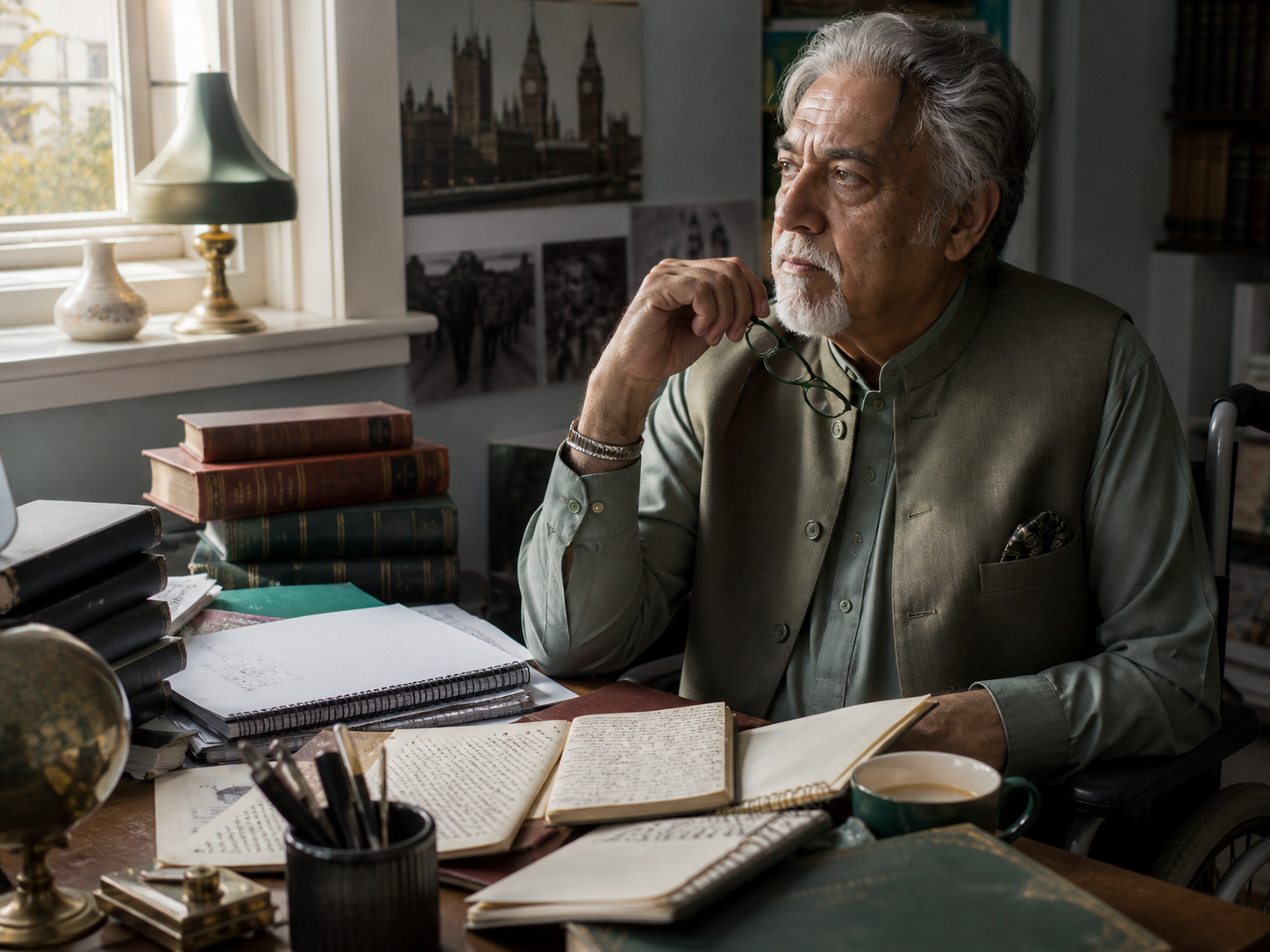
A VIEW IS NOT A FACT.
This distinction must remain clear. News and comment are not the same thing. Where we refer to reported information, we should identify the source. Where something is allegation rather than established fact, it should be treated as allegation. Where information is uncertain, we should say so. And where A.D.D. offers an interpretation:
We should call it what it is, a view.
Our view may be strong. It may be critical. It may challenge an institution, policy, practice or prevailing assumption. But strength of feeling should never give us permission to manufacture certainty.
Truth weakens when we exaggerate it.
It becomes more vulnerable. A.D.D. should therefore try to distinguish: what we know, what has been reported, what somebody alleges, what we observe, and what we think. That distinction is not weakness. It is credibility.

THE NEWS HAS MORE THAN ONE CAMERA ANGLE.
Anyone who has worked around journalism learns something quickly:
The world produces more reality than any newspaper, television programme or website can publish. Something must be selected. Something must be shortened. Something becomes the headline. Something becomes paragraph seventeen. Something disappears altogether. A twenty-minute conversation may become one sentence. An hour of footage may become thirty seconds. That does not automatically mean dishonesty.
Selection is unavoidable.
But selection has consequences. Who selects? What is considered important? Whose voice is authoritative? Whose pain is considered newsworthy? Which photograph is used? Which sentence becomes the headline? What happened immediately before the camera started? What happened after it stopped? These questions have followed journalism for generations. A.D.D. will not pretend to possess a camera that sees everything either. Instead:
We should remain conscious of what our own lens may be missing.
MAXIMUM POSSIBLE TRUTH AND ITS EFFECT.
Absolute knowledge is a dangerous claim, and little knowledge is a unreliable asset. We rarely possess every fact wholly. But that does not mean truth should become optional. There is another aspiration:
The maximum possible truth.
Look. Listen. Check. Compare. Ask. Distinguish evidence from assumption. Correct ourselves where necessary. Give reasonable space to relevant context. And never deliberately remove an inconvenient fact merely because it weakens the story we wanted to tell.
A.D.D. should not demand honesty from powerful institutions while excusing dishonesty from itself. A.D.D. learnt this lesson the hard way that instead of demanding 100% honesty or real humanity will not change anything immediately
If truth is our argument, truth must also be our discipline.
THE QUIET STORY
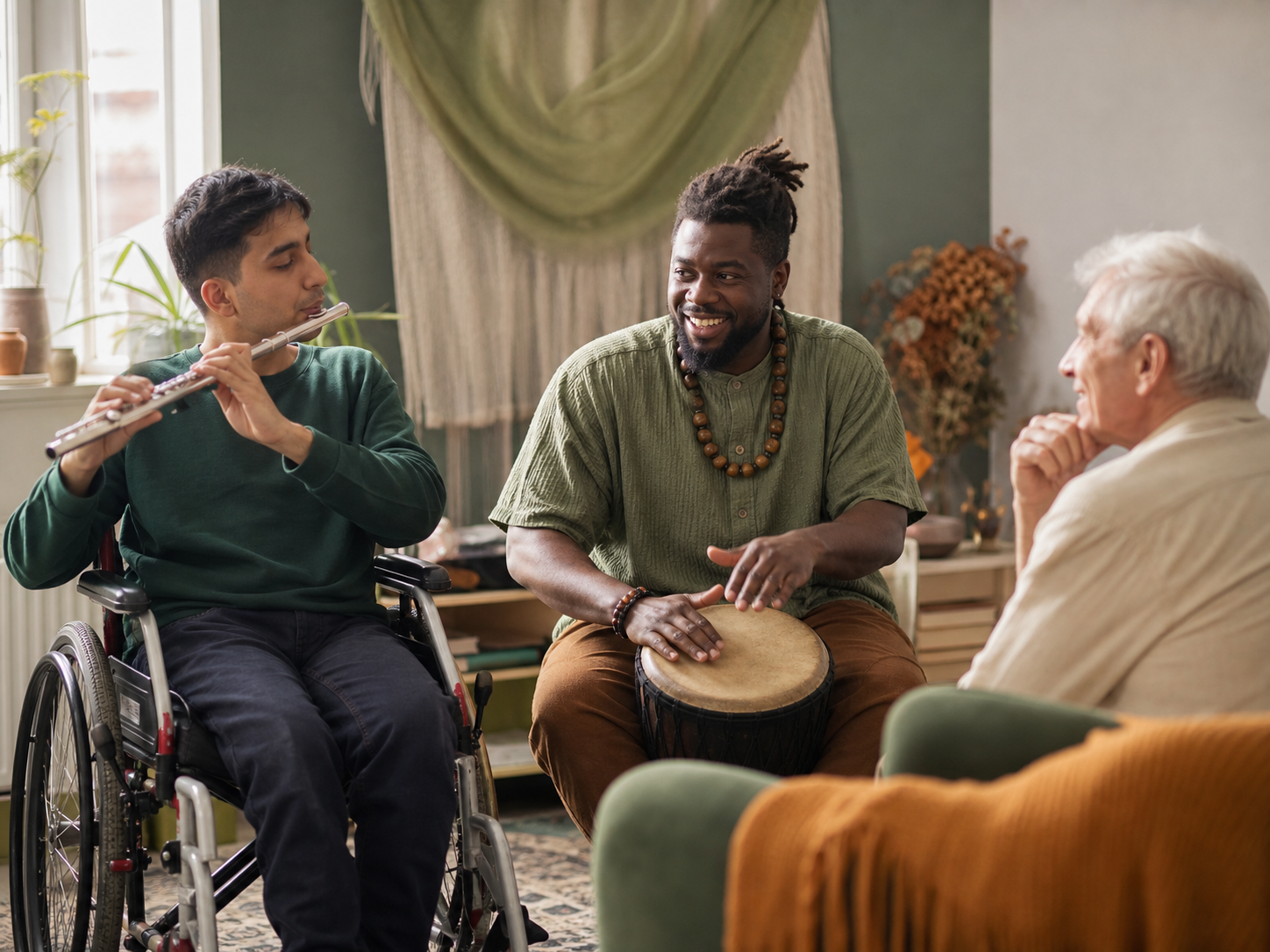
Not everything important is dramatic. A disabled person finally receives an adjustment after months of asking. A neighbor quietly shops for somebody who cannot leave home. A young person teaches an older person how to use an online service. A carer continues without recognition. A teacher notices that a struggling student needs something different. A bus driver waits ten extra seconds. A community group keeps a lonely person connected.
An artist visits a care home. Nobody issues a press release. No television van arrives. There may be no photograph. But:
Civilization is built from every day quiet stories too.
A.D.D. wants some room for them.
Because if the only human behavior we publicize is terrible behavior, eventually we can begin believing that terrible behavior is all that exists. It isn't.
Goodness deserves evidence too.
NOTICE WHAT OTHERS WALK PAST
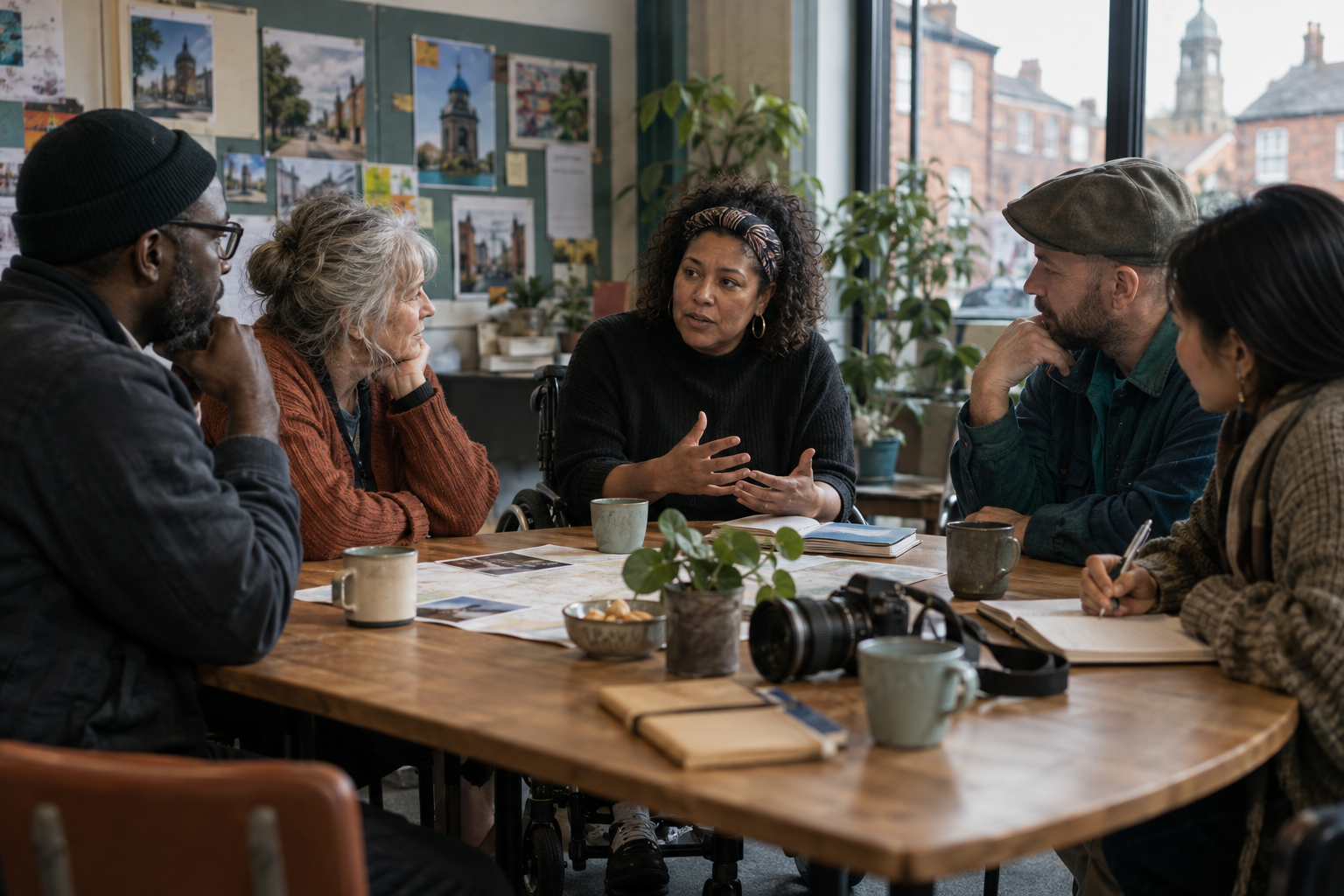
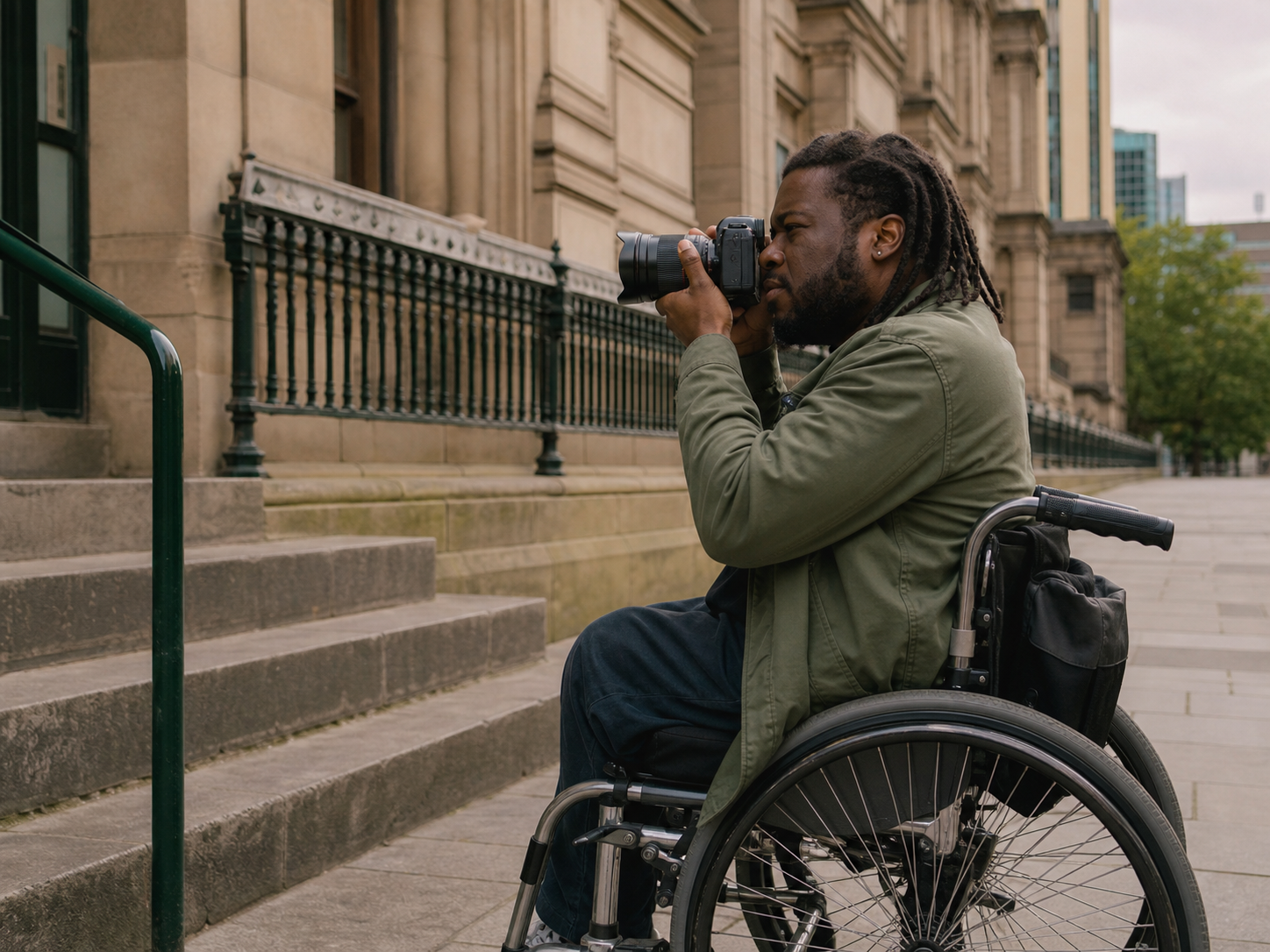
This is where you, the visitor, become important. You live somewhere we do not. You walk streets we do not walk. You see things we do not see. Perhaps you notice an inaccessible entrance. A dangerous pavement. A broken facility. An act of kindness. A community problem. A beautiful moment. An example of exclusion. An example of inclusion done properly. Something happening in Manchester or Greater Manchester that deserves attention. Perhaps you photograph it. Perhaps you record a short clip.
Perhaps you simply write:
“I think somebody should know about this.”
Then tell us.
Bring us what you notice.
YOUR CAMERA CAN WITNESS, BUT IT CAN ALSO INTRUDE.
Almost everybody now carries a camera. That creates extraordinary possibilities. It also creates responsibility. A photograph can expose something important. It can preserve evidence. It can celebrate community. It can show beauty. But a camera can also humiliate. Invade privacy.
Misrepresent. Capture somebody at their most vulnerable. Or turn another person's suffering into content. A.D.D. therefore does not encourage people to film others recklessly.
The dignity of the person matters more than the excitement of the picture.
Do not place yourself in danger. Do not provoke confrontation for footage. Do not trespass. Do not interfere with emergency services. Do not publicly expose vulnerable people merely because they happen to be visible. And where consent is reasonably required, seek it.
Witness with humanity.
The camera should not make us forget the person standing in front of it. His dignity. Privacy and fundamental rights.
SEND US YOUR PHOTOGRAPHS AND CLIPS.
As the website develops, visitors may be able to submit original material for editorial consideration.
For example:
photographs; short video clips; local observations; community stories; examples of accessibility or inaccessibility; positive acts worth appreciating; issues affecting disabled or disadvantaged people; or something simply human that deserves to be seen.
Submission will not automatically mean publication.
A.D.D. must consider relevance, consent, privacy, accuracy, safeguarding, copyright and the dignity of those involved.
We may ask questions. We may decide not to publish something. We may need to remove identifying details. Because:
Having the power to publish something does not always mean we should.
DO NOT SEND US SOMEBODY ELSE'S WORK AS YOUR OWN
This should be simple. If you took the photograph, say so. If you made the recording, say so. If somebody else created it, tell us who. If permission is needed, obtain it. The internet has made copying effortless. It has not made ownership meaningless. Artists. Photographers. Writers. Musicians. Journalists. Ordinary people with a telephone camera. Their work deserves acknowledgement.
Appreciation includes attribution.
NEWS IS NOT A COURTROOM.
This is particularly important for A.D.D.
Some stories will involve disagreement. Complaints. Employers. Universities. Landlords. Public bodies. Businesses. Individuals. Perhaps allegations of discrimination or unfair treatment. We may discuss issues of public or community importance where appropriate.
But A.D.D. should not turn its website into a place for conducting trials by headline. A complaint is not automatically proof. An allegation is not automatically a fact. One person's account may be sincere and still incomplete. The other side may hold relevant information.
Listening to somebody does not require abandoning fairness to everybody else.
Where appropriate, relevant responses should be sought or represented.
And where facts remain disputed, the language should say so. That protects not only others. It protects A.D.D.'s integrity.
CRITICISE THE ACTION.
DO NOT DEHUMANISE THE HUMAN.
There will be times when A.D.D. strongly disagrees with a policy, institution, organization or decision. Say so. There may be conduct that deserves criticism. Criticize it. There may be systemic failures requiring persistent challenge. Challenge them. But there is a line worth protecting:
We should not fight dehumanization by dehumanizing somebody else.
The person behind the desk remains a person. The politician remains a person. The complainant remains a person. The employee remains a person. The person we disagree with remains a person. Accountability does not require hatred.
Justice does not become more just because anger becomes cruel.
That principle should distinguish A.D.D.'s voice.
POLITICS IS ALREADY IN ORDINARY LIFE.
A.D.D. does not need to become party-political to discuss politics. Politics is already present when we discuss: whether somebody can afford to heat their home, whether social care reaches them, whether a wheelchair can use public transport, whether education remains accessible, whether housing is safe, whether public money reaches the people it was intended to serve;
whether technology includes or excludes, whether disabled people participate in decisions affecting them.
These are political questions because they concern how society organises power, resources and responsibility. A.D.D. can discuss them without becoming a mouthpiece for any political party.
Our loyalty should remain with human dignity, not a party color.
Praise a good policy wherever it comes from. Question a harmful one wherever it comes from. That independence matters.
KEEPING SOCIETY CIVILISED IS NOT ONLY THE GOVERNMENT'S JOB
Government matters. Law matters. Public institutions matter. They carry enormous responsibilities. But no government can legislate every human interaction. Parliament cannot stand in every corridor. A council cannot sit at every dinner table. The police cannot supervise every conversation. A regulator cannot manufacture compassion.
Much of civilisation is produced in the small territory between one human being and another. How we speak. How we disagree. How we treat somebody weaker in a particular moment. Whether we return what we borrow. Whether we exploit trust. Whether we notice the person struggling beside us. Whether we intervene safely when somebody is being mistreated. Whether we say thank you. Whether we keep our word.
A peaceful and civilized society is not delivered only from government offices.
It is recreated every day between ordinary people. News & Views should therefore examine not only what governments are doing. But what we are doing.
WHEN THE HEADLINE DISAPPEARS
A tragedy becomes breaking news. For twenty-four hours there are cameras. Statements. Interviews. Hashtags. Then the news cycle moves. But the family does not move with it. The disabled person still has the disability. The tenant still lives in the building. The student still faces the consequence.
The community still carries what happened.
The news may move on before the human being can.
Sometimes A.D.D. should look backwards. What happened afterwards? Was the promise kept? Did the policy change? Did anybody follow up? Did the person receive support? Did the problem merely stop being news? There is value in asking:
“And then what happened?”
THE PEOPLE IN THE NEWS SHOULD SOMETIMES SPEAK FOR THEMSELVES
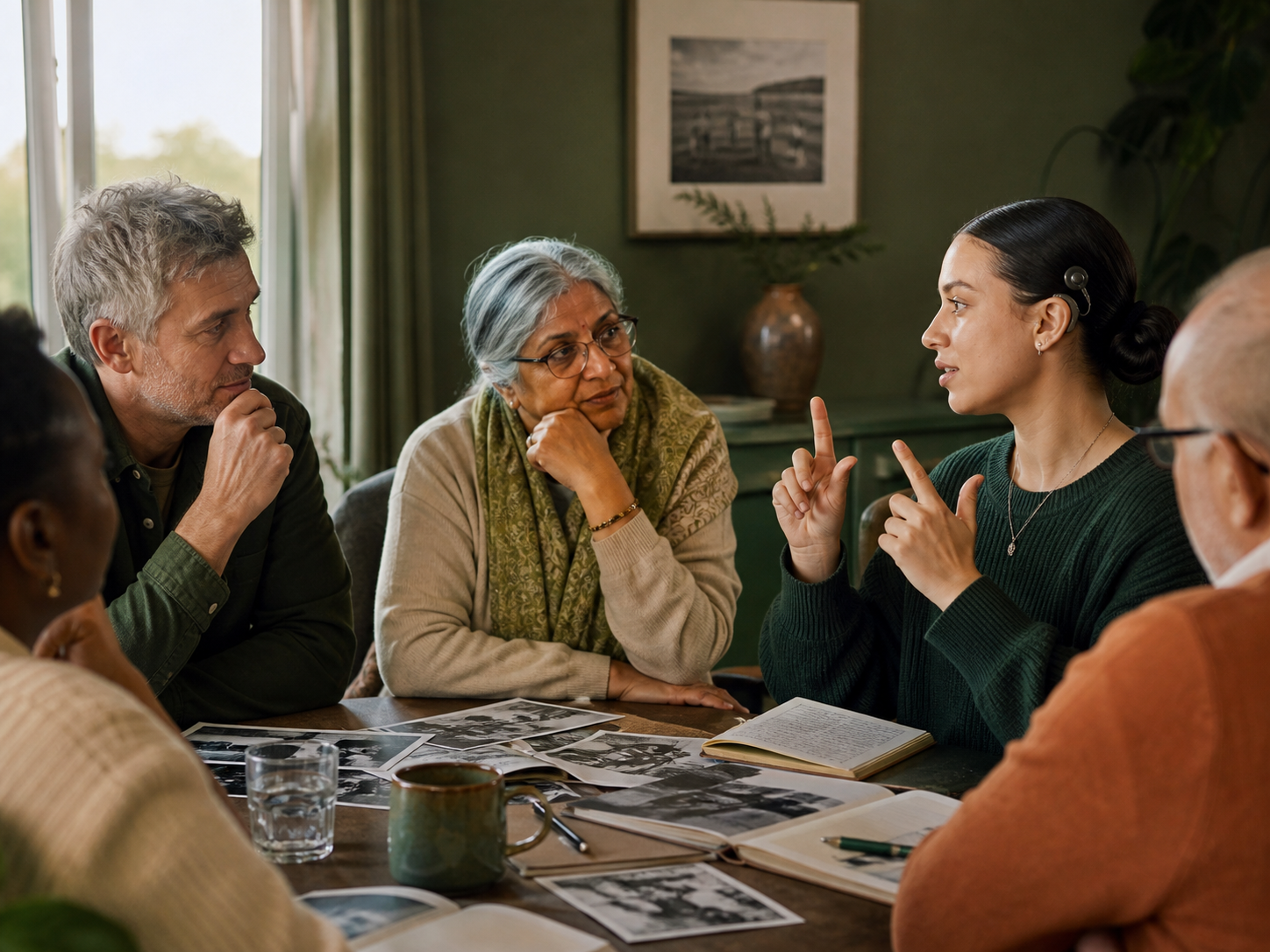
We should be cautious about constantly speaking about people. Disabled people. Poor people. Migrants. Students. Carers. Older people. Communities. Sometimes everybody is discussing them except them.
A.D.D. began with a principle that belongs here too:
Nothing About Me Without Me.
Where reasonably possible, the person affected should have space to describe their own experience. Not because personal testimony automatically settles every factual dispute. It does not. But because:
A person's lived experience is evidence of what the experience felt like from inside.
That perspective should not disappear merely because somebody with a larger title has issued a statement.
THE READER IS ALLOWED TO DISAGREE
News & Views should not become a pulpit. We will have views. Visitors will have theirs. You may read something here and think:
“A.D.D. has got this wrong.” Fine.
Tell us why. Reasoned disagreement is not hostility.
It can improve thinking. Perhaps you know something we missed. Perhaps we interpreted something badly. Perhaps the evidence changed. Perhaps neither side possesses the whole picture.
Being committed to a principle does not require pretending to be incapable of error.
If we are wrong, correction should not humiliate us. It should strengthen us.
CORRECTION IS PART OF CREDIBILITY
If A.D.D. publishes something materially incorrect, we should correct it. Clearly. Not secretly rewrite history and pretend the mistake never happened. Where appropriate:
What was wrong? What is correct? When was it changed?
That is not an embarrassing weakness.
A person who can correct themselves is more trustworthy than one who must always appear correct.
The same should be true of an organization.
A SMALL WEEKLY WINDOW
I imagine this page developing gradually. Not a twenty-four-hour newsroom. Not endless content. Perhaps a small weekly selection.
THIS WEEK
One to three stories worth noticing.
RIZVI'S VIEW
A short personal commentary, article or analysis where appropriate.
THE HUMAN QUESTION
What does the story mean beyond its headline?
Who is affected?
What might have been missed?
GOOD NEWS IS NEWS TOO
A person, project, policy, organization or ordinary act worth appreciating.
YOU NOTICED
A selected photograph, clip, observation, or story submitted by a visitor.
AND THEN WHAT HAPPENED?
Occasional follow-up on a story after public attention has moved elsewhere. That would give A.D.D. something valuable:
A heartbeat.
A reason to return next week.
FROM JOURNALISM TO HUMANISM
The purpose here is not to become another newspaper.
It is to bring something from journalism into humanism:
Curiosity, evidence, questions, observation, the courage to look behind official language and action, and the discipline to distinguish what we know from what we merely suspect.
Then bring something from humanism back into journalism:
Dignity, context, patience, the forgotten person, the quiet consequence, and the question statistics cannot answer:
“How did this feel to the human being who had to live through it?”
Perhaps somewhere between those two disciplines lies the voice of A.D.D.
LOOK AGAIN
That may ultimately be what this page asks.
Not: Believe everything we say.
Not: Become angry about everything.
Not: Distrust every institution.
Simply:
Look again.
Read beyond the headline. Ask who is missing. Notice the quiet person. Check the evidence. Listen to more than one voice. Follow what happened afterwards. Praise what deserves praise. Challenge what deserves challenge. Correct yourself when necessary.
And do not let the speed of information destroy the depth of understanding. Because:
Understanding delayed can become understanding denied or misunderstanding.
And where action is urgently needed:
Help delayed is problem enlarged.
BRING US WHAT YOU NOTICE
A photograph. A short clip. A local issue. A story nobody appears to be telling. A good act nobody appears to be appreciating. A question. A correction. A different view. Something that deserves another look.
The world is too large for one pair of eyes.
Perhaps that is why we were given one another.