
The First Step Does Not Have To Be A Big One. Perhaps you have travelled through this website because you need help. Perhaps somebody you know does. Perhaps you want to volunteer. Perhaps you have professional knowledge you could share. Perhaps you are an artist. A student. A carer. A neighbour. A community organization. Perhaps you noticed something that belongs to News & Views. Perhaps you simply found something here that made you think I would like to be part of this. Then begin. You do not need to arrive with everything worked out. Sometimes the first step is only a message.
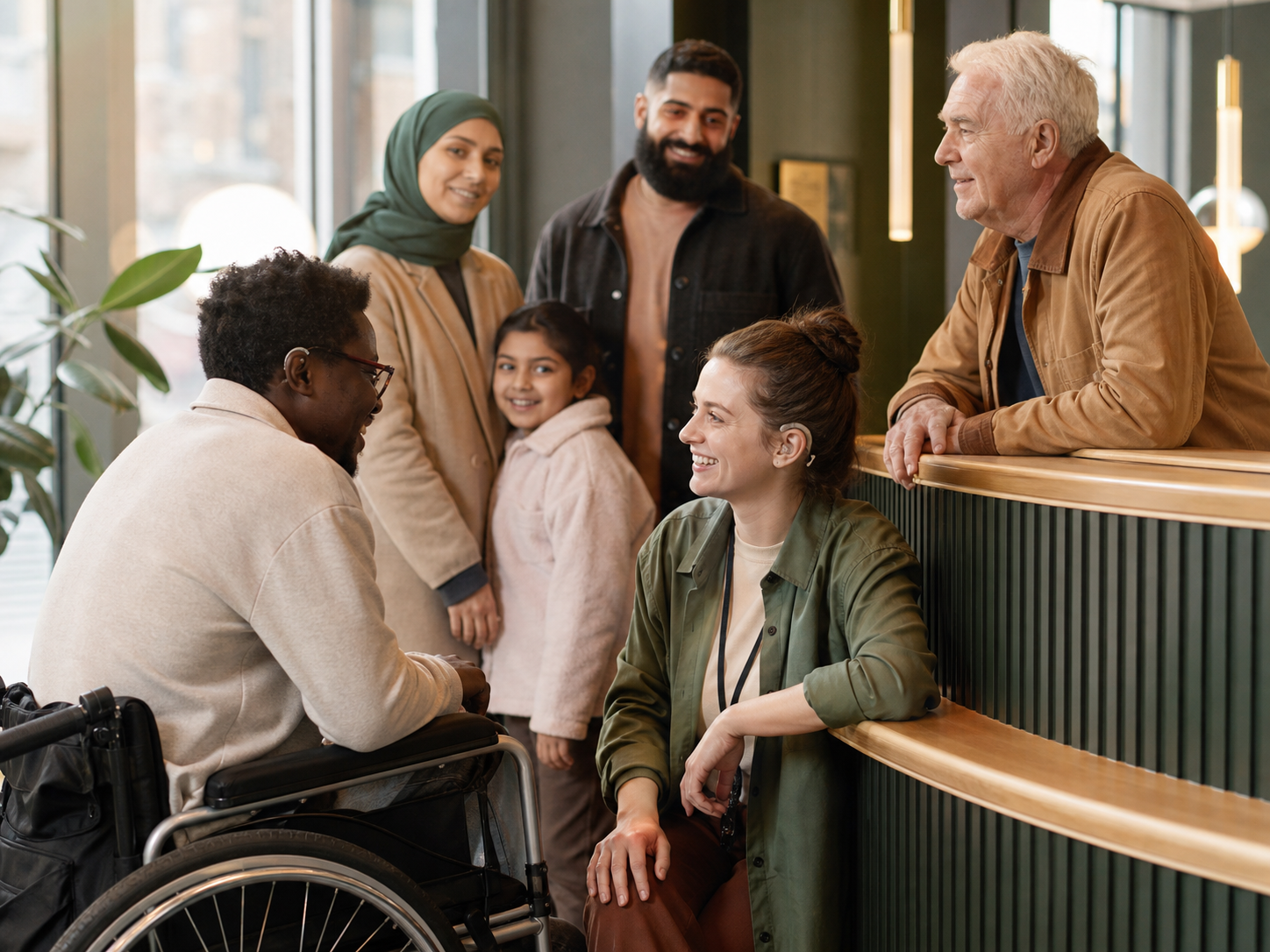
IF YOU NEED SUPPORT
Tell us what is happening. You do not need to decide first which category your problem belongs to. You do not need to write professionally. You do not need to know the correct legal or administrative terminology. And you do not need to turn your life into a perfectly organized chronology before contacting us. Tell us, as simply as you can: What is happening? What is worrying you most? Is anything urgent or approaching a deadline? What have you already tried? What would you like to happen, if you know? If you do not know what outcome you need, say that too. Confusion is allowed through this door. We can begin by respectfully and sincerely trying to understand.

IF SOMEBODY ELSE NEEDS SUPPORT:
Perhaps you are worried about somebody. A neighbour. Friend. Relative. Student. Older person. Disabled person. Carer. Someone isolated. Someone who appears to be struggling but is finding it difficult to ask. You may contact A.D.D. for general guidance about possible routes of support. But there is an important boundary. Caring about somebody does not give us ownership of their life. Where the person has capacity to make their own decisions, their wishes, privacy and consent matter. We should not unnecessarily create conversations about them without them. Where there is an immediate risk of serious harm, emergency or safeguarding procedures may of course be different. But ordinarily, our principle remains: Nothing About Me Without Me. Where possible, bring the person into the conversation. Not merely the problem somebody else has described about them.
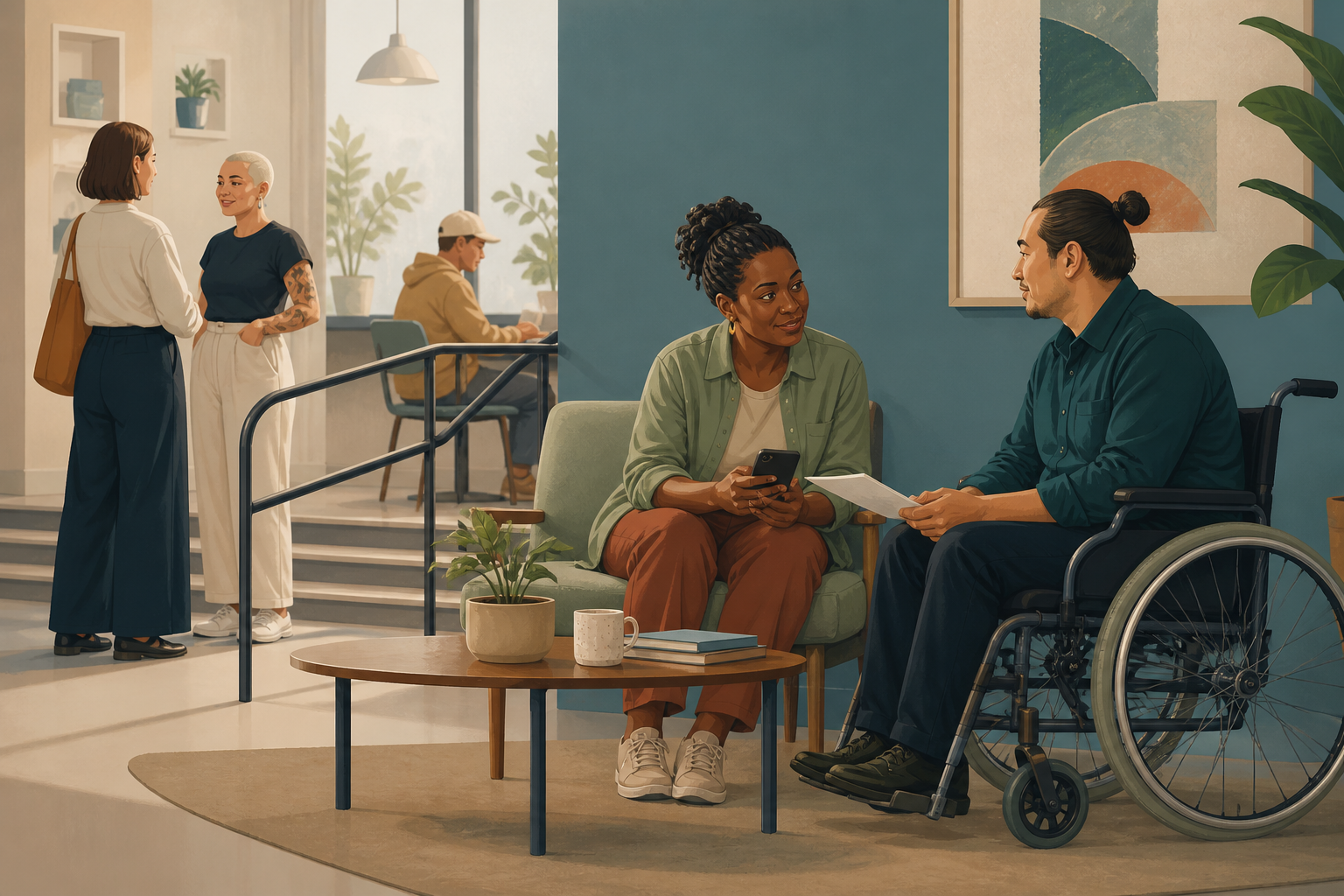
IF YOU WANT TO HELP
Perhaps you came here not because you need something, but because you have something. Time. Experience. A language. Professional knowledge. Digital confidence. Transport. Listening skills. Administrative ability. Community knowledge. Music. Art. Photography. Teaching. A practical skill. Or simply patience. You may not know whether it is useful. Tell us anyway. What is ordinary in your hands may be exactly what is missing from somebody else's. You do not have to promise your life. An occasional hour may be enough. A.D.D. would rather have an honest hour than an impressive promise that disappears.
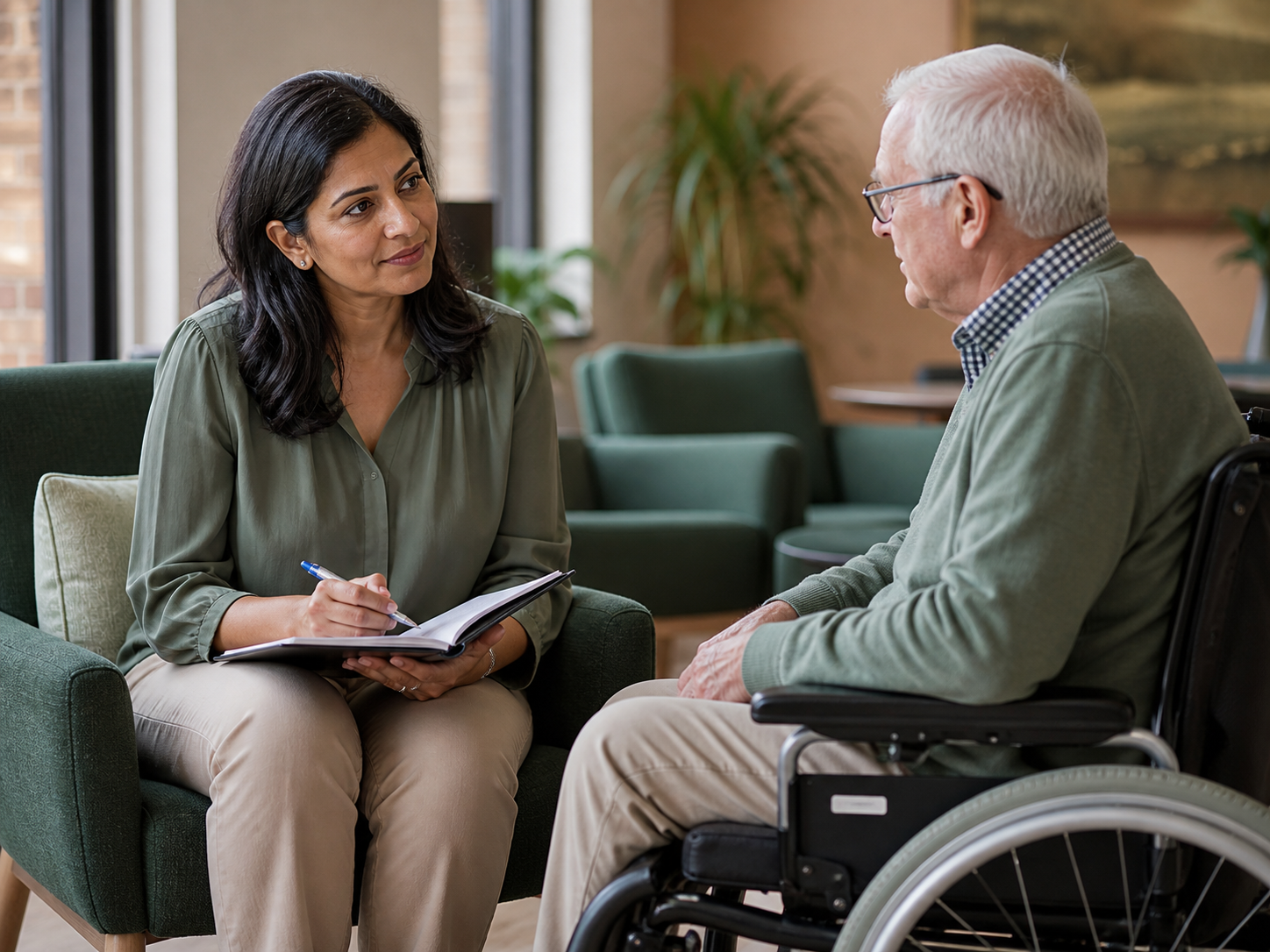
IF YOU ARE A PROFESSIONAL:
A.D.D. would like to build relationships with people who possess specialist knowledge. Solicitors. Advisers. Healthcare professionals. Social workers. Teachers. Academics. Counsellors. Journalists. Designers. IT professionals. Artists. Tradespeople. Community workers. And others. We do not ask professionals to abandon appropriate boundaries, regulation, insurance or professional responsibility. Quite the opposite. Knowing where competence ends is part of competence. Perhaps you could offer occasional general guidance. Training. A workshop. A referral route. A professional perspective. An hour. Or simply tell us: “If you encounter this kind of issue, this is where it should properly go.” That knowledge can save somebody weeks of wandering.
IF YOU ARE AN ORGANISATION
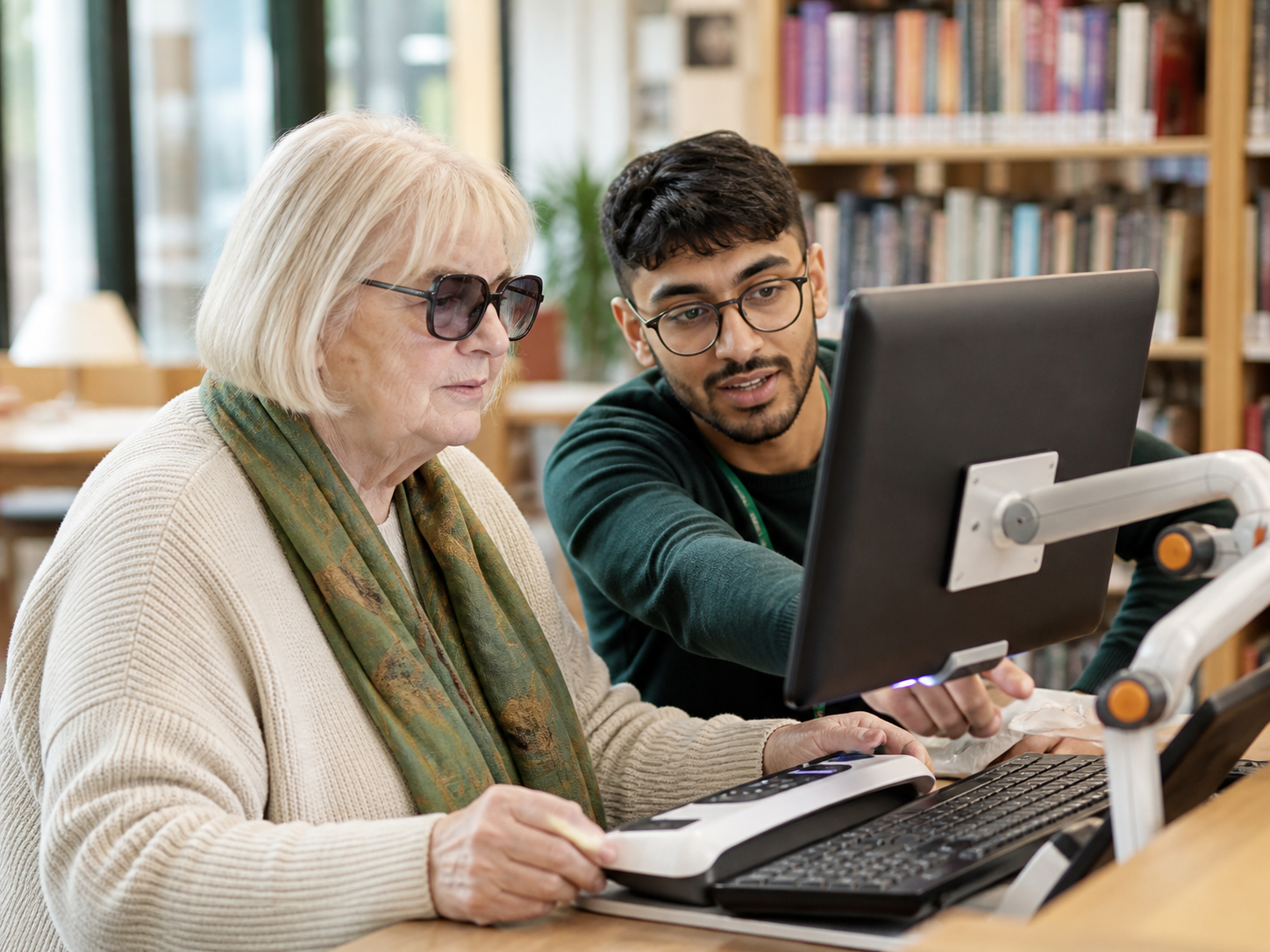
Perhaps you represent a charity. Community group. Public service. Educational institution. Housing provider. Advice service. Arts organization. Local business. Professional practice. Or another voluntary organization. A.D.D. does not need to duplicate good work already being done. If somebody else can do something better, let them do it better. The important thing is that the person reaches the right help. We are interested in responsible cooperation, referral relationships, shared community knowledge, appropriate events and practical partnerships that increase access and dignity. Not competition for ownership of vulnerable people. Human need is already large enough. There is room for cooperation.

IF YOU CREATE
Send us your poem. Your photograph. Your painting. Your music. Your recording. Your short film. Your digital work. Your idea. Perhaps you stopped creating years ago. Then you are welcome too. You need not arrive carrying a masterpiece. Perhaps you arrive carrying only the wish to begin again. Sometimes the first creation after a long silence is simply courage taking visible form. As A.D.D.'s creative space develops, suitable original contributions may be considered for sharing, subject to permission, copyright, privacy, safeguarding and editorial considerations.
IF YOU NOTICED SOMETHING:
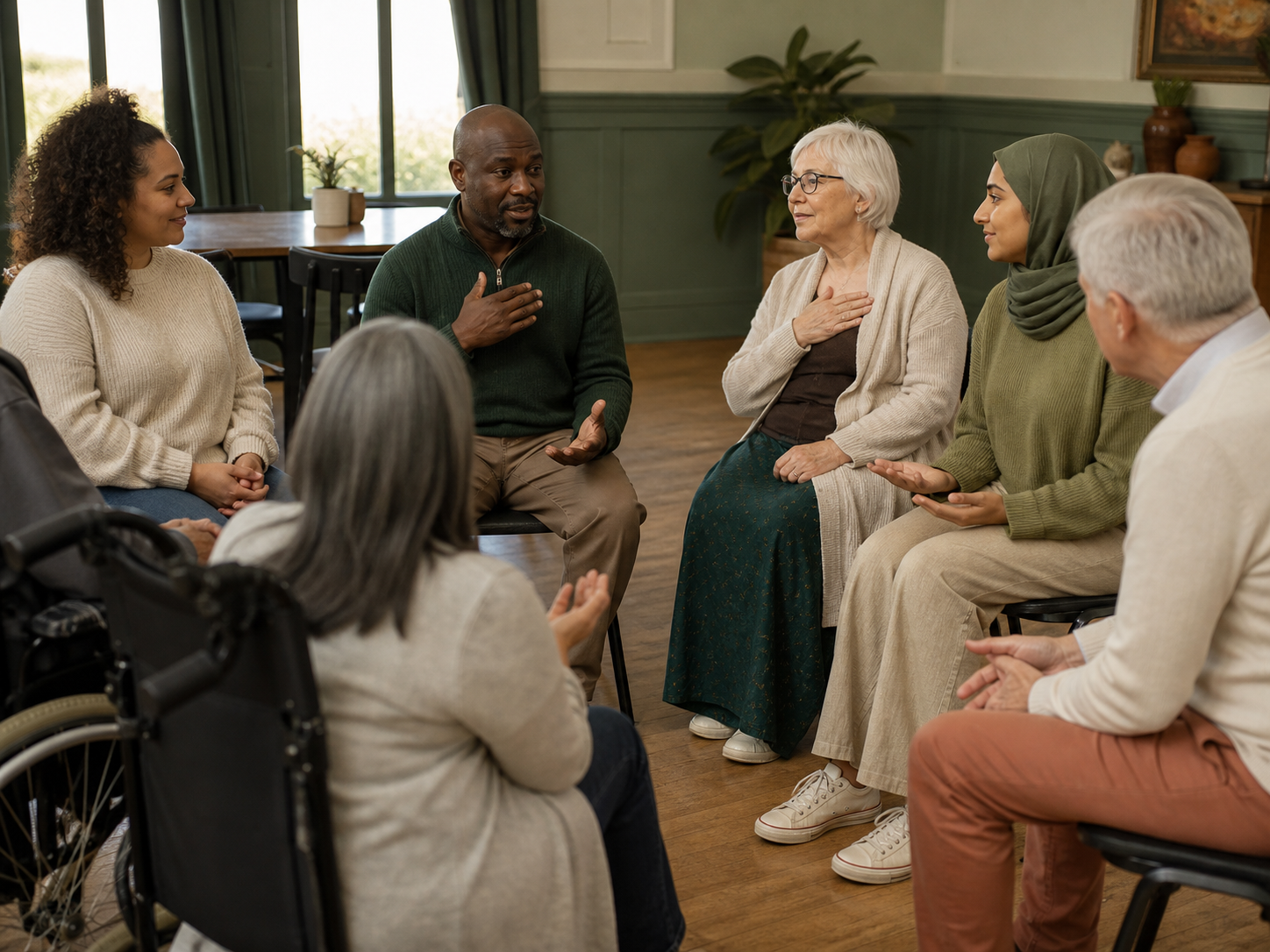
For News & Views, perhaps you have: a local story, an observation, an original photograph, a short clip, an accessibility issue, an example of discrimination, an example of something done particularly well, a community concern, or simply something you believe deserves another pair of eyes. Send it to us. Please tell us what you know, what you personally observed, and what you are unsure about. Bring us what you notice, not what you can exaggerate. We would rather receive a modest truth than an impressive uncertainty.
MANCHESTER FIRST:
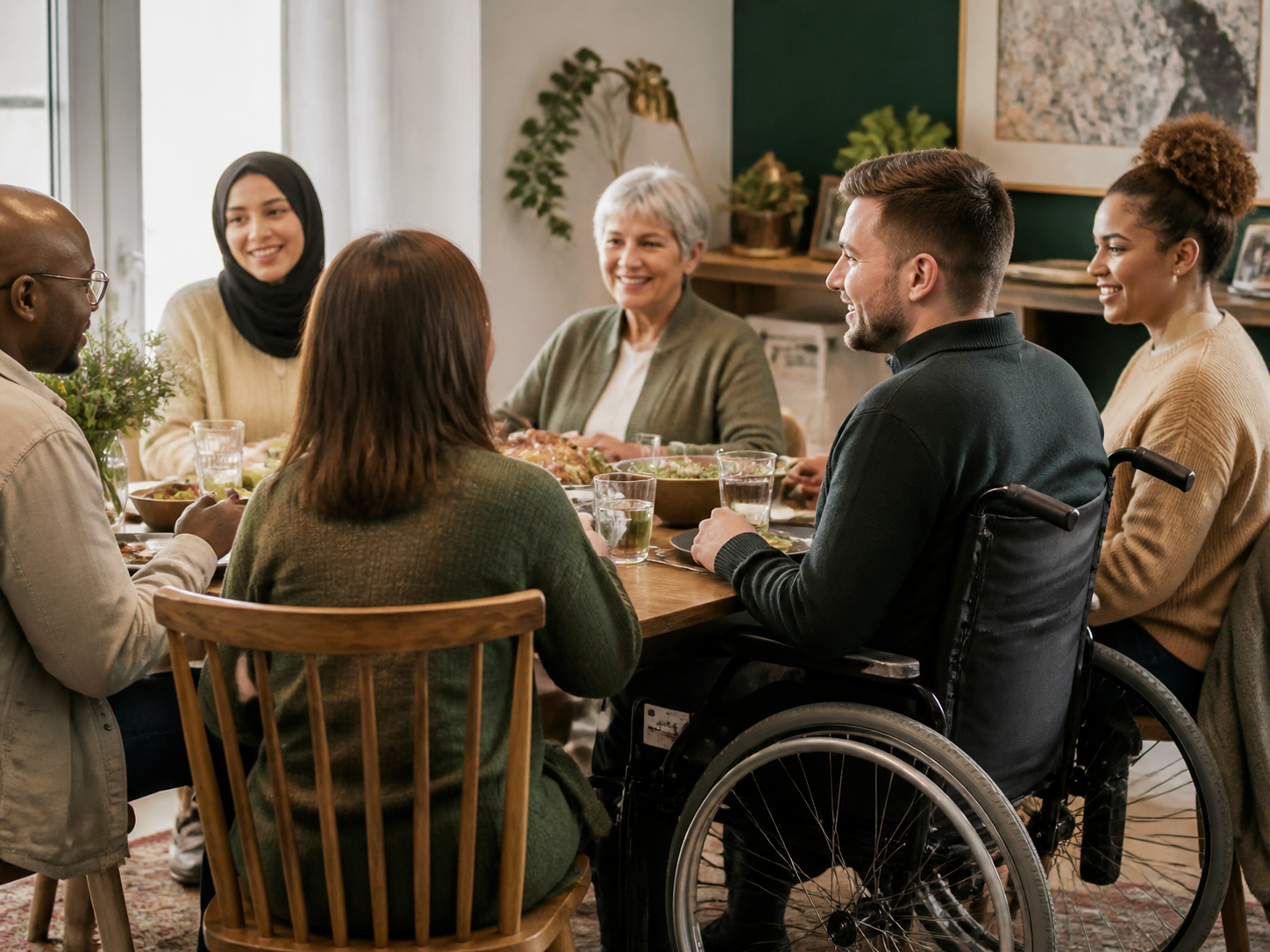
A.D.D. begins in Manchester and Greater Manchester. That is deliberate. Although people are interested to start same model same style in Bradford, Sheffield, Wolverhampton, Essex, London, Slough, Reading, Luton, and Newport, South Wales but we aim to cover Manchester and Greater Manchester first. We are not being city Nationalists, but we deem it wise to establish A.D.D. in Manchester and Greater Manchester, so we feel comfortable on expansions of A.D.D. to other cities. We want to learn locally. Build carefully. Understand our capacity. Develop appropriate volunteer relationships. Create responsible procedures. Make mistakes small enough to learn from. And grow only where usefulness justifies growth. Growth should follow usefulness, not ambition. People outside Greater Manchester may still read, contribute, communicate and share ideas with us. But at this stage, practical individual support will principally develop within Manchester and Greater Manchester according to capacity. We would rather be genuinely useful somewhere than advertise ourselves as available everywhere.
HOW TO CONTACT US:
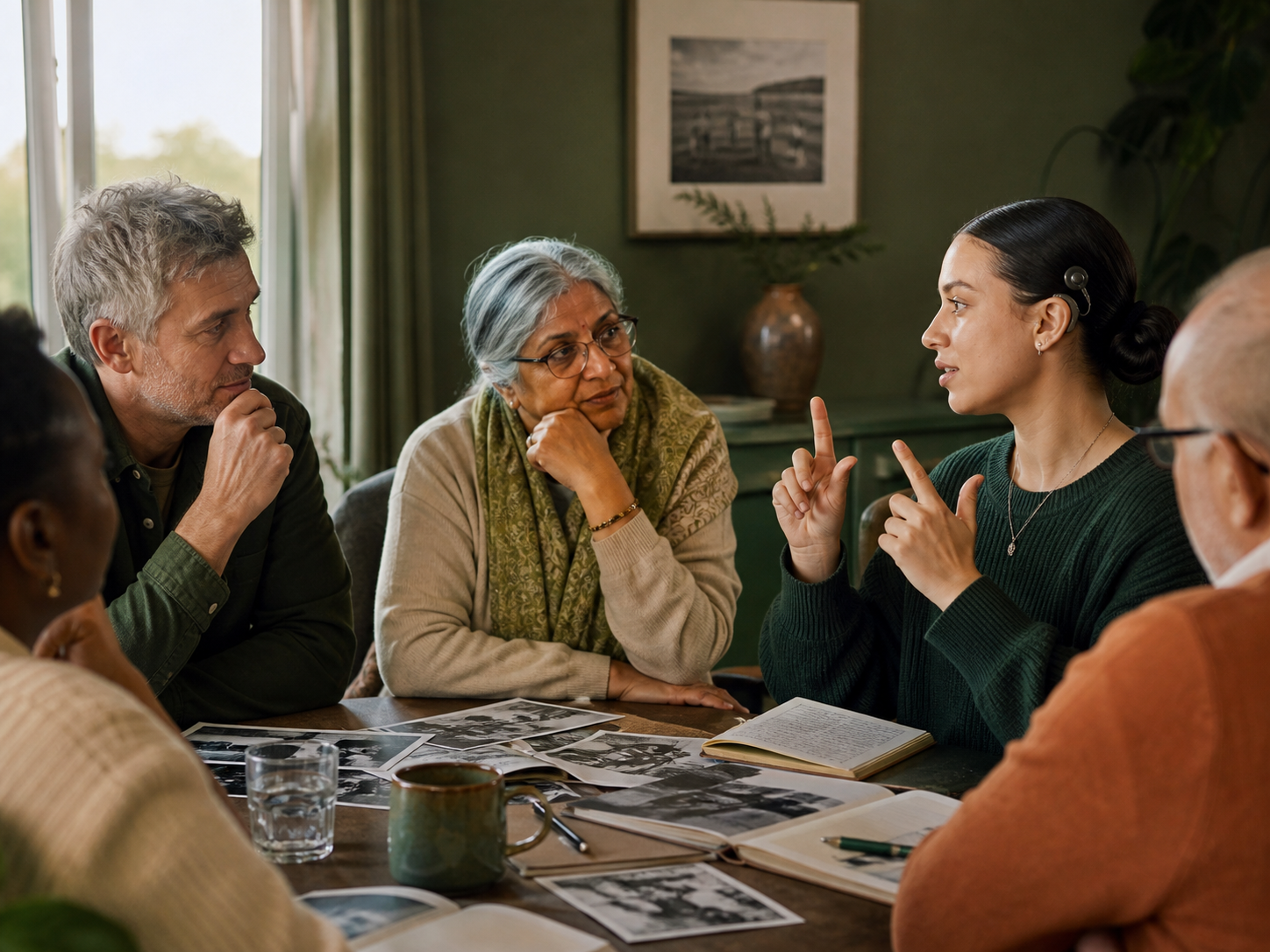
Email: Our Preferred First Contact
Email gives you time to explain. It gives us time to read. It creates a record. And where documents need to be considered, it is usually the clearest starting point. If writing is difficult, tell us. We can consider what reasonable alternative may be possible.
PLEASE DO NOT ARRIVE WITHOUT AN APPOINTMENT:
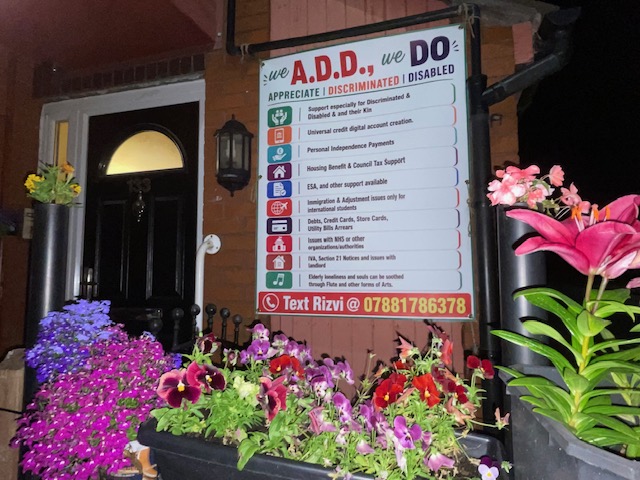
This boundary should be stated kindly but clearly. A.D.D. is developing as a small community initiative. Get in touch via email, contact form on this site or text message to agree to a convenient venue for both of us. A private home is not a public office.
Please do not visit a personal or residential address seeking an appointment or immediate assistance. Initial communication should normally be by email or the website contact form. Where an in-person meeting is appropriate, it can be arranged in advance at a suitable public or community location in Manchester or Greater Manchester. This protects: your privacy; our privacy; volunteers; residents; and the ability of A.D.D. to work safely and responsibly. A boundary is not a closed door. It tells us where the door safely is.
WHAT HAPPENS AFTER YOU CONTACT US?
We read. We try to understand what you are asking. We consider whether the matter is something A.D.D. can responsibly assist with. We may ask for clarification. If appropriate, we may arrange a conversation. We may help identify a practical next step. We may explain that specialist advice is needed. Where another organization is more appropriate, we may help identify or connect you with that route where reasonably possible. And as we have said throughout this website: Referral should not automatically mean goodbye. Where appropriate and within our capacity, we can remain interested in whether the connection worked. But we must also be honest.
WHAT A.D.D. CANNOT PROMISE:
We cannot promise that every enquiry can be accepted. We cannot promise a particular outcome. We cannot replace emergency services. We cannot provide professional legal, medical, financial or other regulated advice unless an appropriately qualified person is involved in the proper capacity. We cannot force another organisation to act. We cannot promise immediate responses. We cannot responsibly become everything to everybody. And sometimes the most honest help we can offer is: “This requires somebody with different expertise.” Honesty about our limits protects the person asking for help. A.D.D. should never create false confidence merely because saying yes feels kinder than saying we need somebody else.
IF SOMETHING IS URGENT:
A.D.D. is not an emergency service. If somebody is in immediate danger, seriously unwell, or there is another emergency requiring urgent statutory intervention, please use the appropriate emergency or specialist service rather than waiting for A.D.D. to respond. Where there is no immediate emergency but there is an important deadline, tell us the exact date in your first message. Urgency should be visible before it becomes expired.
PRIVACY, DIGNITY AND TRUST:
People may contact A.D.D. about deeply personal matters. That creates responsibility. Information should not become gossip. Documents should not become entertainment. A person's difficulty should not become somebody else's story without appropriate reason and permission. At the same time, A.D.D. should never promise secrecy in circumstances where law, safeguarding obligations or immediate serious risk may require appropriate action. So our principle should be straightforward: Tell us what we need to know, and we will treat what you tell us with respect. As A.D.D. develops, appropriate privacy, safeguarding, data-protection and consent procedures must develop with it. Trust should never depend merely upon good intentions. It needs good practice too.
WE MAY NOT ALWAYS GET IT RIGHT:
This matters on the final page. A.D.D. is built around human beings. Human beings make mistakes. We may misunderstand something. Miss something. Phrase something badly. Take longer than hoped. Choose a route that turns out not to be useful. If that happens tell us. We would rather be corrected than comfortably continuing wrong. A.D.D. asks institutions to listen. Therefore A.D.D. must listen too. Criticism offered sincerely should not be treated as disloyalty or hostility. Sometimes criticism is how an organisation discovers the person it accidentally stopped seeing.
AND IF WE HELPED, TELL US THAT TOO:
Problems make noise. Success often leaves quietly. If somebody from A.D.D. helped you: tell us. Not because we need applause. Because volunteers need to know when their effort mattered. Because good practice should be recognized and repeated. Because appreciation is part of our name. And perhaps, one day, you will be able to help somebody else. The person who arrives needing a hand may later become the hand another person needs. That is how A.D.D. should grow. Not merely through numbers. Through circulation. Understanding received. Understanding given. Courage regenerated. Hope reproduced. Ability released.
PERHAPS YOU ARE STILL HESITATING:
Maybe you have written the email but not sent it. Maybe you are thinking: My problem isn't serious enough. Somebody else needs help more than I do. I should be able to manage this myself. What if they don't understand? What if nobody can help? We cannot promise that A.D.D. will have the answer. But asking does not make you smaller. There is dignity in independence. There is also dignity in recognizing when another pair of hands may help. Human beings were never meant to prove their strength by carrying everything alone. Send the message. We will begin from there. And tasks once began naturally coming to an end. We will do our best to make the beautiful.
AND PERHAPS YOU DO NOT NEED HELP AT ALL:
Perhaps your life is comfortable today. Wonderful. Then look around. Not dramatically. Not suspiciously. Just carefully. There may be somebody nearby whose difficulty fits inside an ability you hardly notice in yourself. Perhaps you can explain something. Drive somewhere. Make a call. Listen. Teach. Introduce. Create. Share. Sit beside. Notice. You already have something to give.
And if you cannot find anybody today? Keep the thought. Tomorrow has many ways of introducing human beings to one another.
THE DOOR REMAINS HUMAN:
Eleven pages have said many things. About disability. Discrimination. Dignity. Equality. Volunteering. Systems. Education. Migration. Poverty. Art. Music. News. Truth. Community. But perhaps all of it can eventually be reduced to something much smaller. There is a human being. There is another human being. Something is difficult. Something can be shared. Something can be understood. Something can perhaps be done. Begin there. We do not need to save everybody. We do not need to understand everything. We do not need to become heroes. We need enough humanity to notice, enough humility to listen, enough courage to care, and enough willingness to act where we reasonably can. Because being loved, being understood, being considered, and being supported are not luxuries. They are among the fundamental necessities of human existence. And perhaps we have forgotten something else: We belong to each other. Belonging is beautiful. Life is still beautiful.
APPRECIATE DISCRIMINATED DISABLED:
Disabled First. Humanity Everywhere. Understand respectfully. Support responsibly. Appreciate sincerely. And when another person's burden becomes a little lighter because you existed around, perhaps, quietly, without ceremony, without applause, you will feel it too: Life is still loveably beautiful.