WHEN THE HEART GETS TIRED
The body becomes tired. We understand that. Feet stop. Eyes close. Muscles ask for rest. But there is another tiredness for which we have invented fewer measurements.
The heart gets tired too.
Not merely the heart that beats. The other heart. The ancient one. The heart poets have been writing about since human beings first discovered that some feelings were too large for ordinary speech.
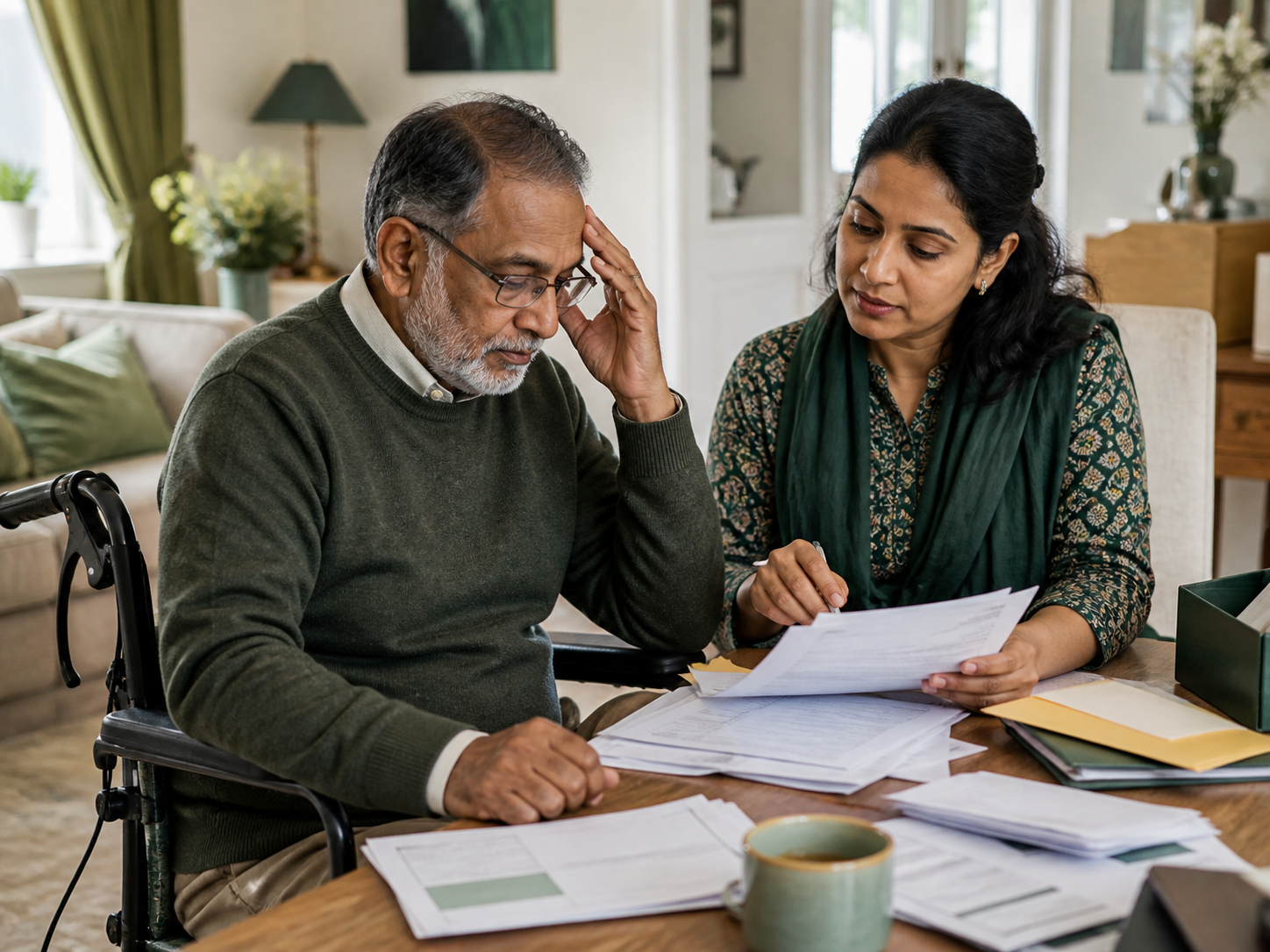
The place where we keep love. Loss. Memory. Longing. Disappointment. Hope. The things we forgave. And the things we thought we had forgiven. That heart becomes tired. And when it does, another form may not help. Another appointment may not help. Another explanation may not help. Sometimes:
The tired heart needs beauty.
WHEN WORDS BECOME TOO SMALL.
There are things we can explain. And there are things we can only express. That is where art begins. A sentence says:
“I am sad.”
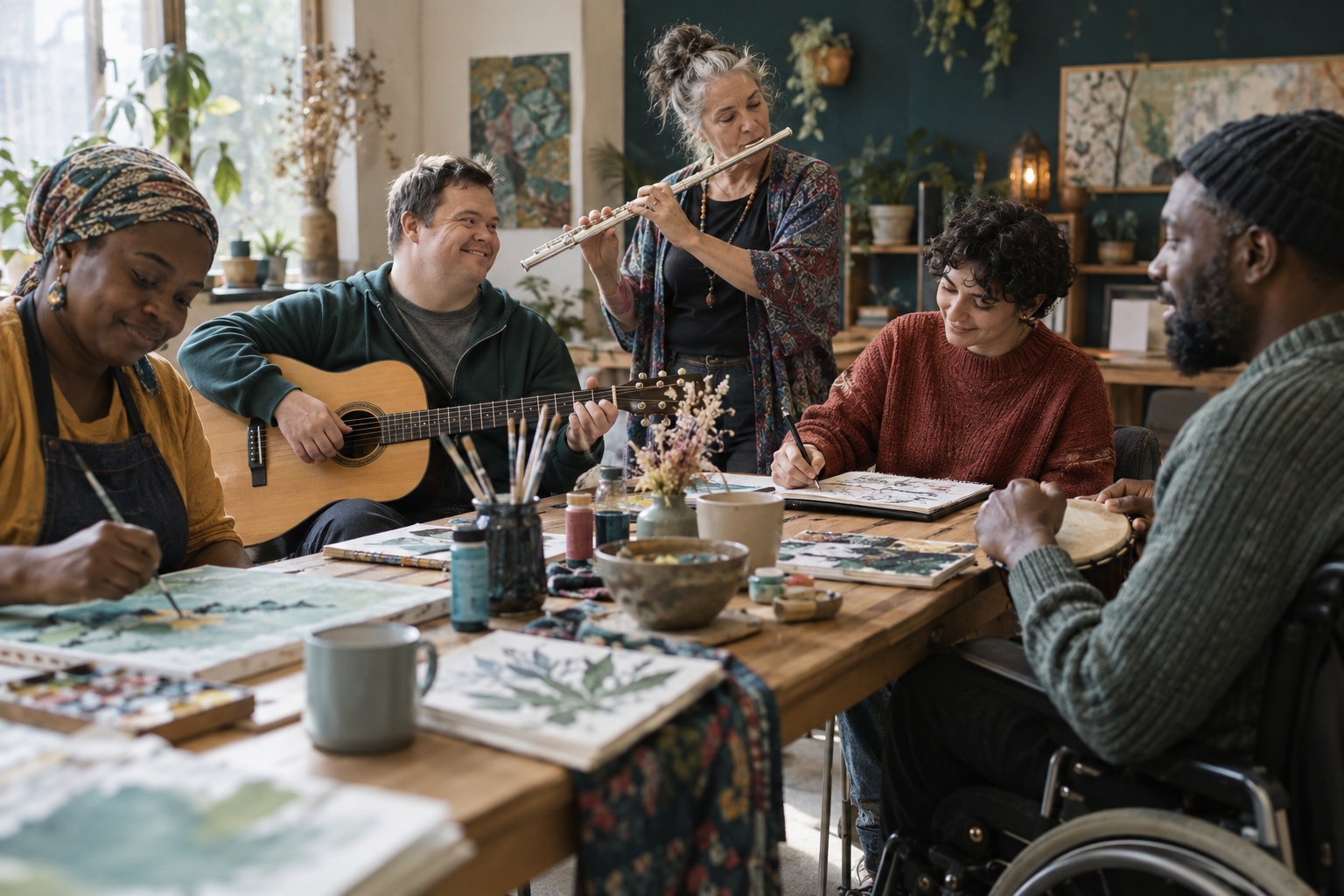
A flute may say what kind of sadness. A form asks: “How long have you felt like this?”
A poem may answer: “Longer than the calendar knows.”
A photograph can preserve what disappeared one second later. A painting can show a colour for which ordinary conversation has no name. A melody can enter a room without asking anybody's nationality, religion, qualification, immigration status or bank balance.
Art sometimes understands before language finishes explaining.
That is why creativity belongs deep inside A.D.D.
Not as decoration. Not as entertainment attached to the serious work.
It is part of the serious work.
WE ARE MORE THAN OUR PROBLEMS.
Systems have understandable reasons for describing people through their difficulties. Patient. Claimant. Tenant. Student. Applicant. Disabled person. Carer. Debtor. Complainant. Case number. But nobody wakes in the morning naturally thinking:
“Good morning. I am Case Reference 1111.” There was a human being before the file existed. And there will still be one when the file closes. Perhaps the claimant sings. Perhaps the disabled person paints. Perhaps the lonely man plays harmonium. Perhaps the woman waiting for a housing decision writes poetry no body has ever read. Perhaps the older person in the care home remembers a song from sixty years ago but cannot remember what happened yesterday. Perhaps the migrant carries the music of another country inside them. Perhaps the young person who appears withdrawn can create something astonishing on a screen.
A.D.D. wants to meet that person too.
Not only the difficulty. The imagination behind it. The work. The sufferings. The patience and the helplessness and more.
THE HEART NEEDS RECOVERY TOO
There is old wisdom in the thought that hearts, like bodies, become fatigued. When the body tires, we allow it to sit. When the mind tires, we should sometimes allow it to wander somewhere beautiful. Music. Poetry. Painting. Gardening. Photography. Dance. Craft. Writing. Nature. A remembered song.
Whatever allows the person, for a little while, to stop being surrounded by what is wrong. This is not running away from reality.
Sometimes we step away from pain precisely so that we can return with enough strength to face it.
Rest is not always surrender. Beauty is not always luxury. Art is not always escape.
Sometimes:
Art is where courage goes to breathe.
THE FLUTE DOES NOT ASK FOR YOUR FILE NUMBER
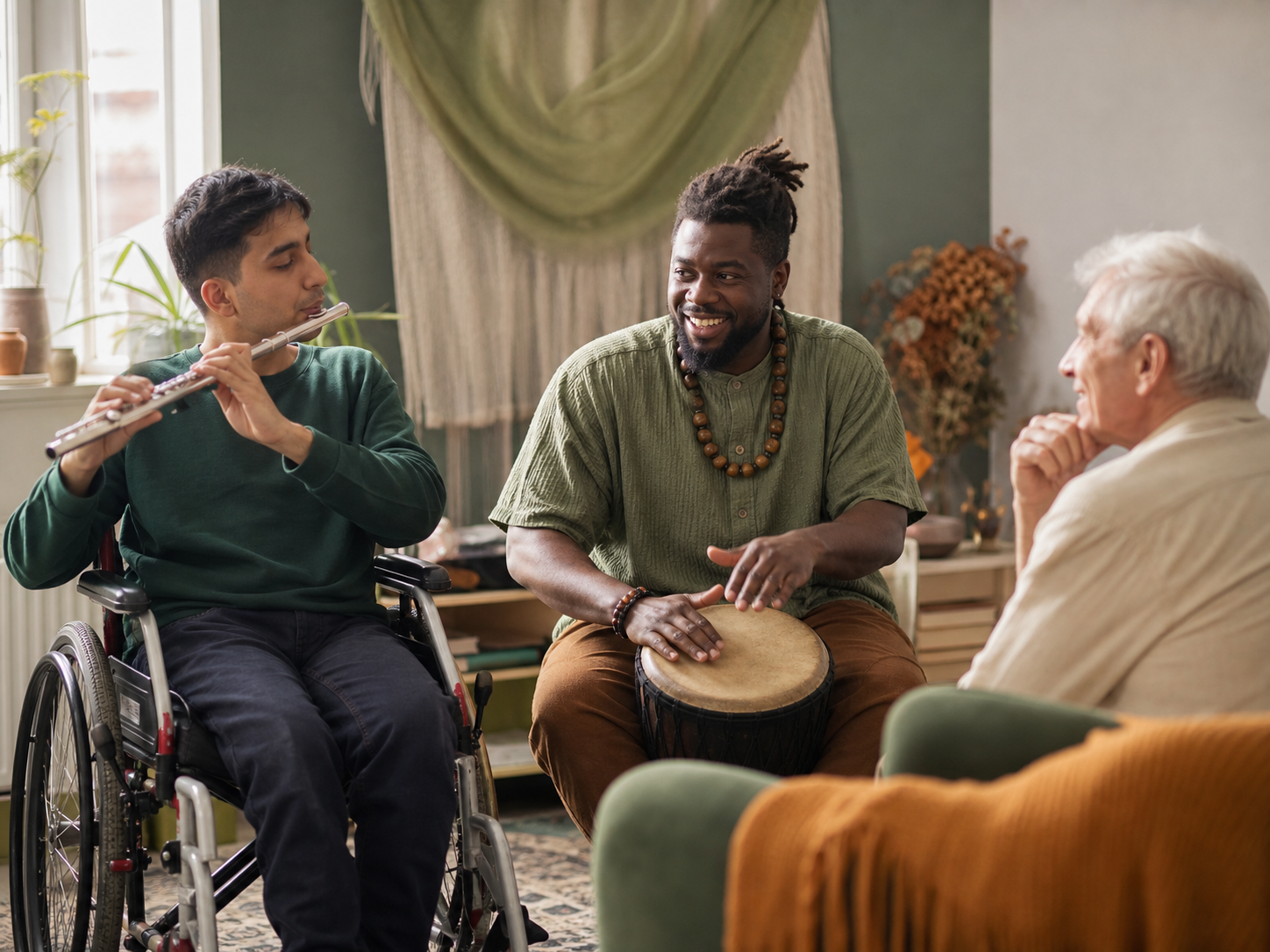
Perhaps this is why music has remained important throughout my own life. A flute does not ask for evidence. It does not ask whether an application succeeded. It does not know whether the musician is rich or poor. It does not ask what institution disappointed them.
It asks for breath. And then it changes that breath into sound. There is something almost philosophical in that. The same breath that carries exhaustion, frustration, memory, perhaps even pain, enters a hollow instrument and emerges as music.
Pain enters as breath.
Something beautiful may leave as sound. Not because the pain has disappeared. But because for a few minutes it has been given another language.
SOMETIMES MUSIC KEPT ME ALIVE INSIDE.
There have been periods when music was not merely performance for me.
It was company. Catharsis. Memory. A place to go without physically travelling anywhere. Flute. Piano. Keyboard. Harmonium. Voice. Sometimes poetry did the same thing.
When ordinary language could no longer carry everything, a line could. When the line became too heavy, perhaps a note could. I do not say this because everybody must become an artist. But life without arts is not really a life. Start noticing from today, how many other creatures than human do artful things.
They need not. Because it is not easy. Everyday problems push to the limit where;
Daily problems steal all the hours, No time left for art’s soft showers. Imagination weighs like heaviest stone, Grief has made me walk all alone.
(Rizvi)
But I have learned something through it:
A human being needs somewhere for unspoken feeling to go.
If it has nowhere to go, it can remain inside us, circling. Art can sometimes open a window. A window that pulls us to a new world of imagination. Everything once was imagination.
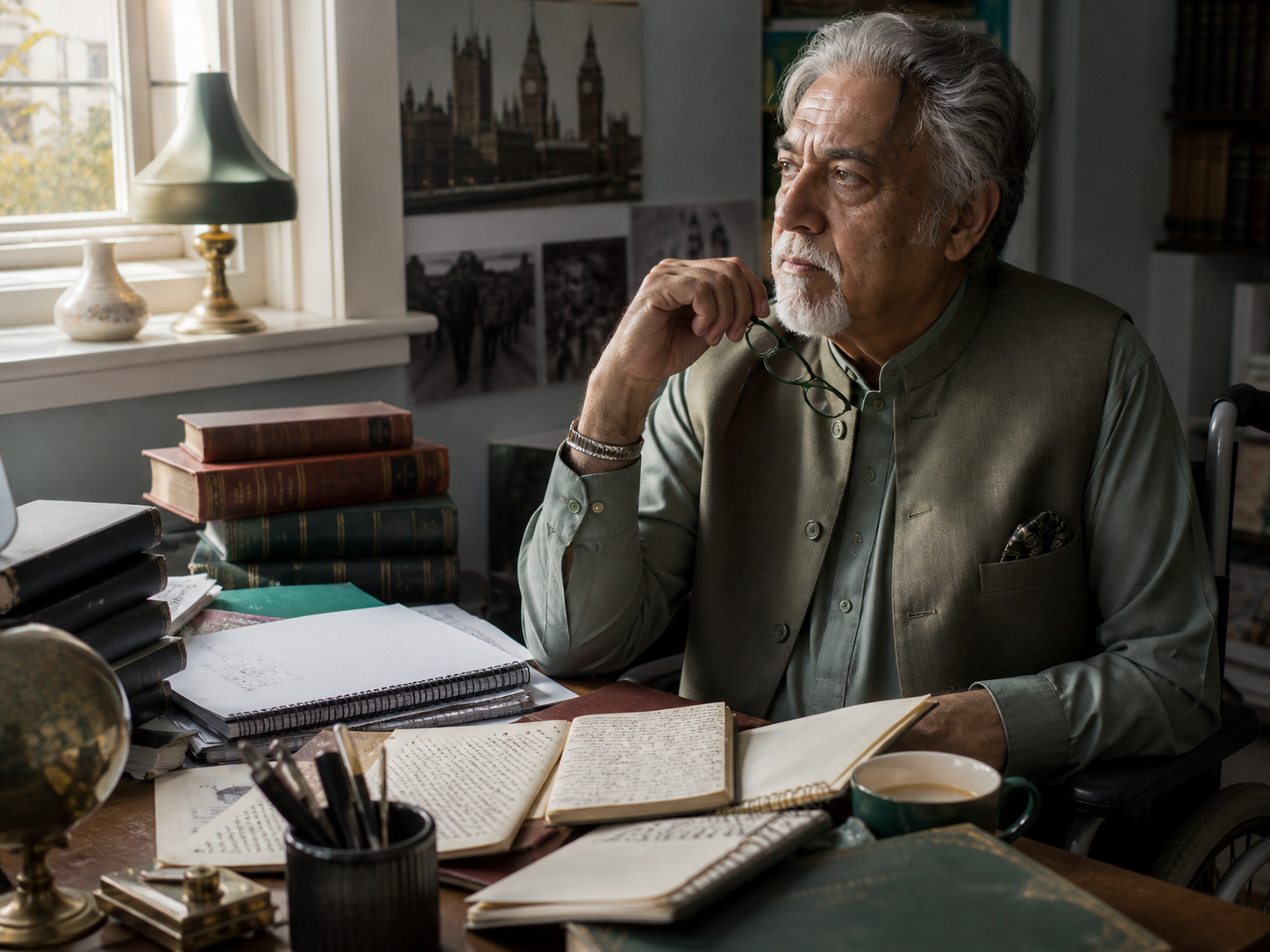
THE CREATOR IS A HUMAN BEING BEFORE THE CREATION.
We admire paintings. Songs. Poems. Performances. Films. Books. Design.
But there is a person behind the work. And sometimes society becomes so interested in what that person can produce that it forgets to ask what condition the person is producing it from. A creator under continuous emotional pressure cannot always create on command. A musician carrying unresolved grief cannot necessarily perform because the programme says 7:30 p.m. A poet may possess the words and still have no inner space in which to arrange them. An artist may still have the colors while losing, temporarily, the desire to open the box.
Creativity needs some freedom inside the mind.
We should not romanticize suffering by imagining that crushing an artist necessarily creates better art. Sometimes suffering creates art. Sometimes:
Suffering daylight injustice simply crushes the artist.
A humane society should understand the difference. And delicacy of the artists feelings should be prtected and respected.
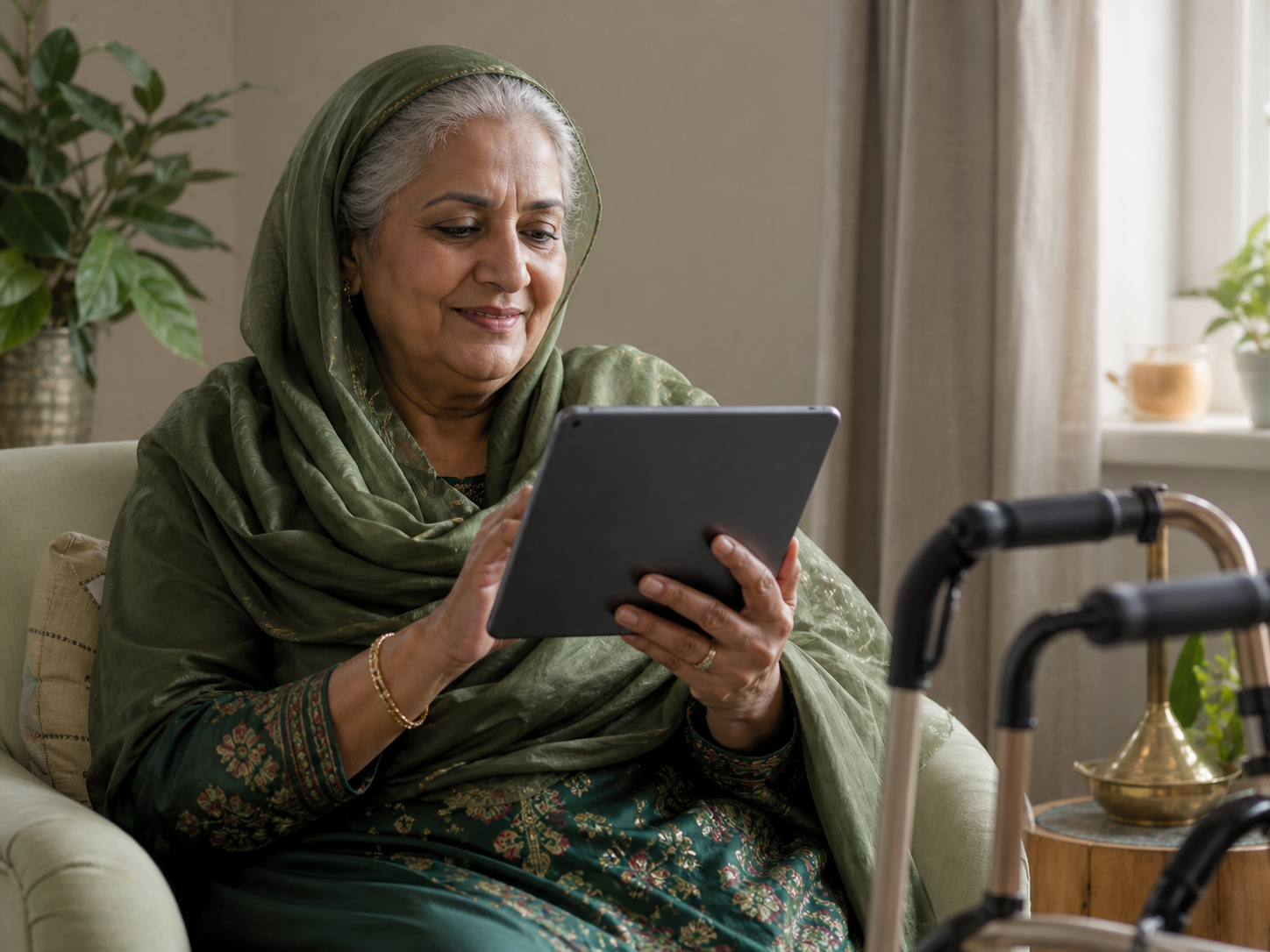
DO NOT ASK ONLY: “WHY HAVE YOU STOPPED CREATING?”
Ask:
What has occupied the space where creation used to happen?
Fear? Debt? Grief? Discrimination? Illness? Isolation? Family difficulty? An unresolved injustice? Housing insecurity? Exhaustion? Perhaps nothing dramatic at all. Perhaps the person is simply tired. Creativity is not a tap.
It does not always run because somebody turned the handle. Sometimes the song has not disappeared.
The singer has become too tired to reach it.
Sit with the singer. Perhaps the song will return by itself after a cappuccino? Perhaps he is mentally uncomfortable enough to think of or start creation.
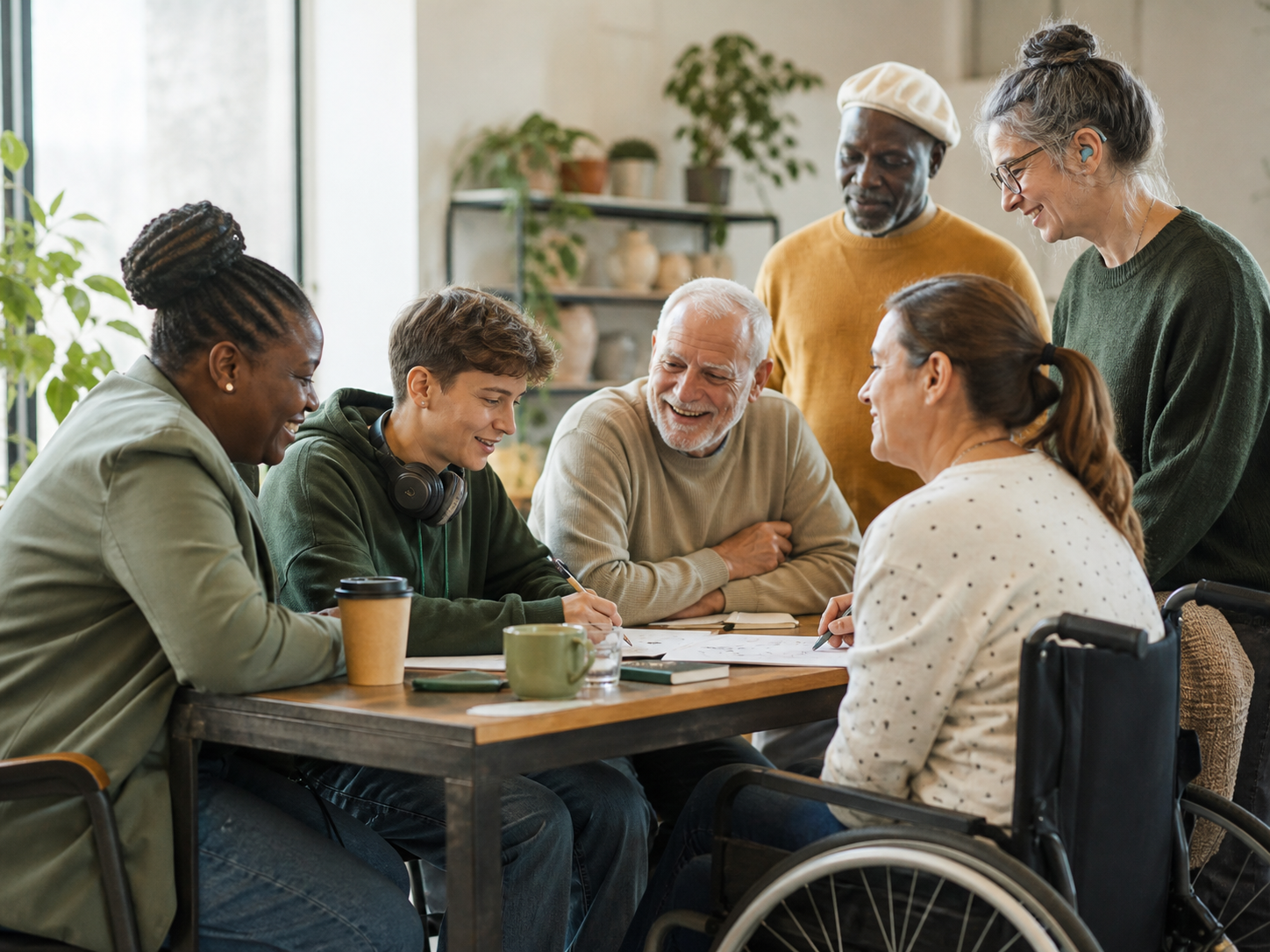
SOMETIMES WE FORGET OUR OWN SONG.
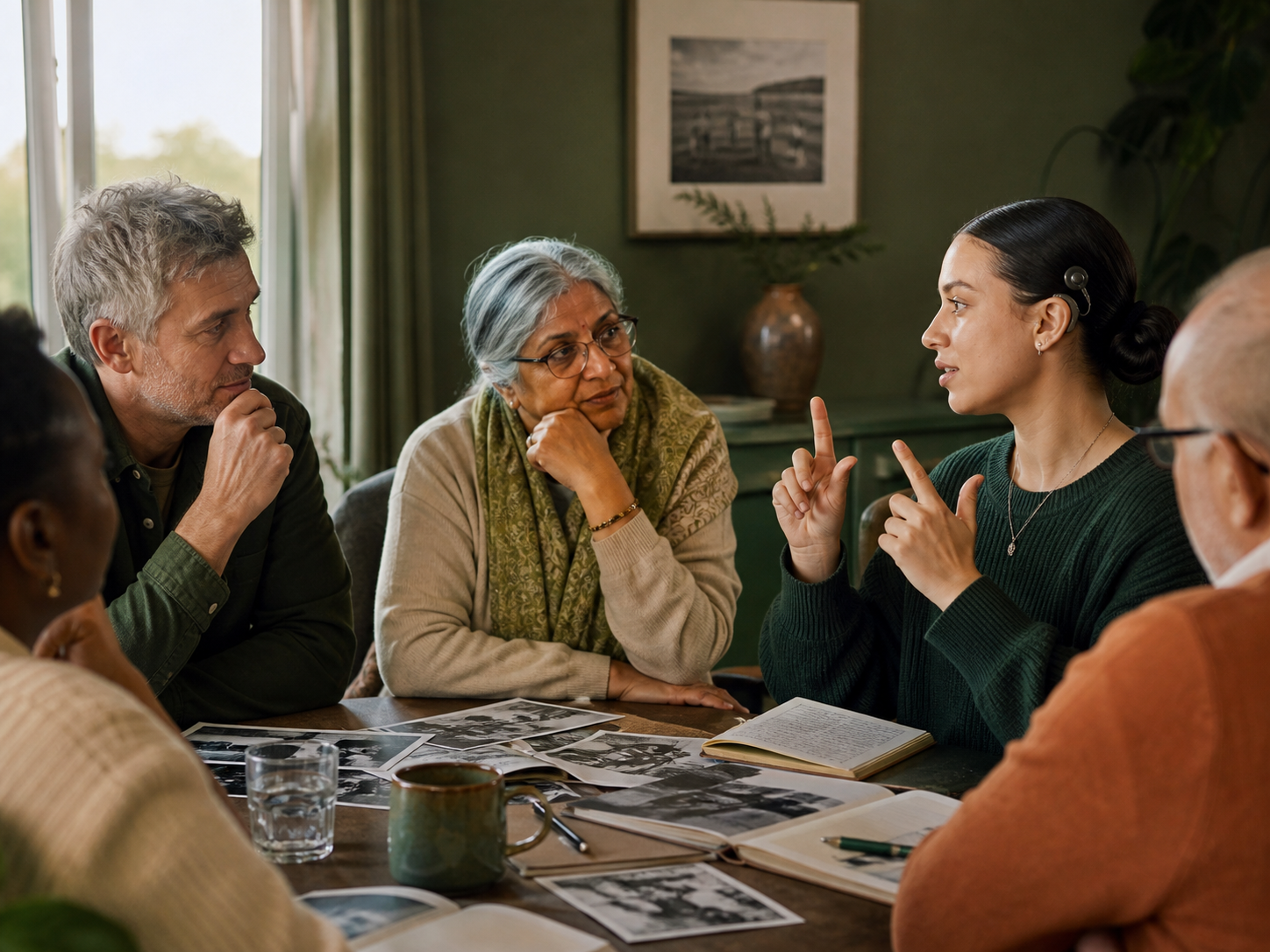
This is another reason human beings need one another. A poet can forget their own verse. A musician can lose the next phrase. A person can forget an ability they once possessed confidently. Then somebody else remembers. They say:
“You used to do this.” They hum the line. Recall the words. Bring the instrument. Show the old photograph. And suddenly something wakes and imagination starts appearing in a cool work.
Sometimes another person remembers us back to ourselves.
That is a beautiful form of help. Not fixing. Not treating. Not advising. Remembering. Remebering what someone noticed and understood in the past at some point.
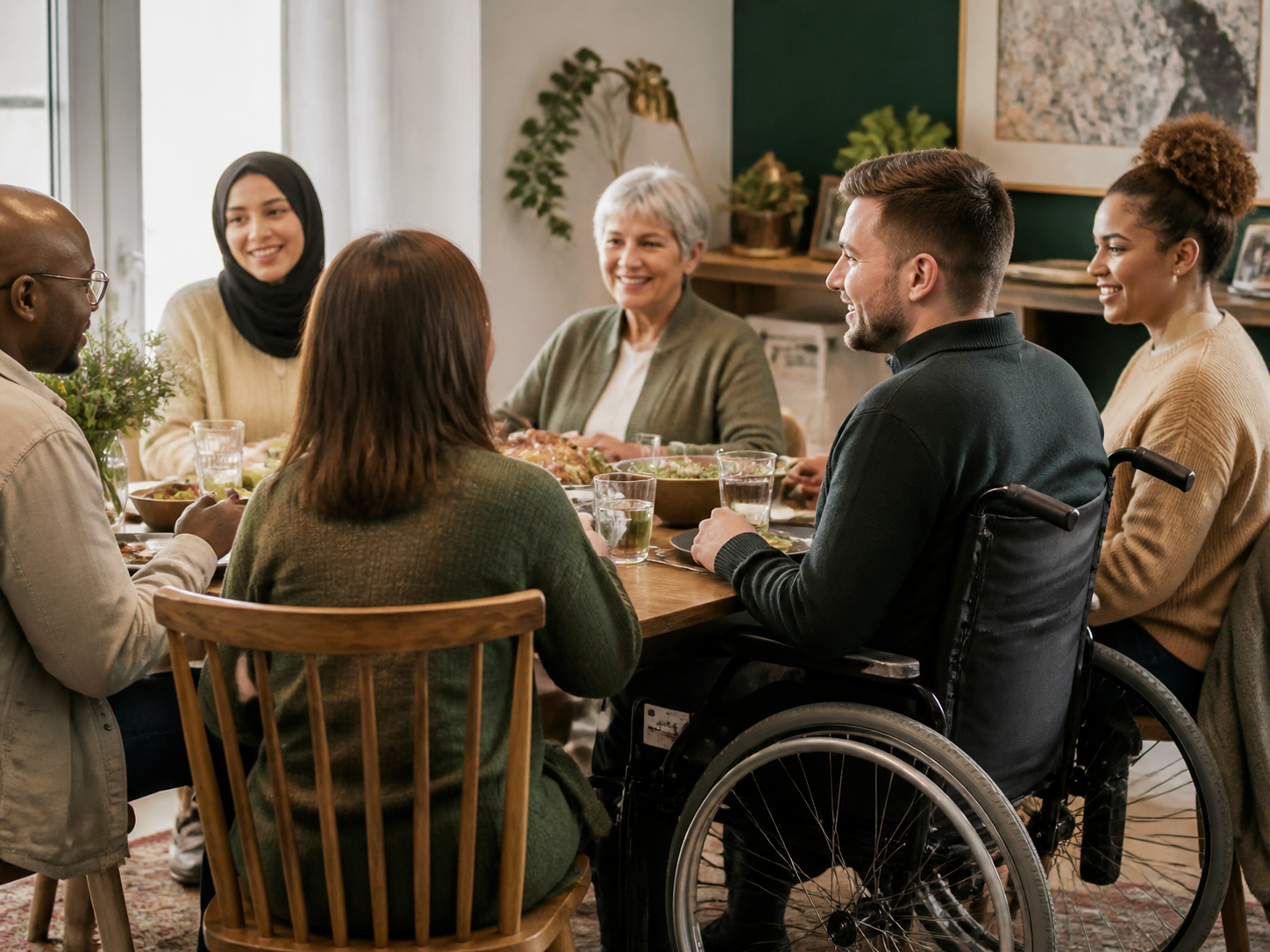
THE ARTIST WHO NEEDS HELP CAN STILL GIVE ART.
This is fundamental to A.D.D.
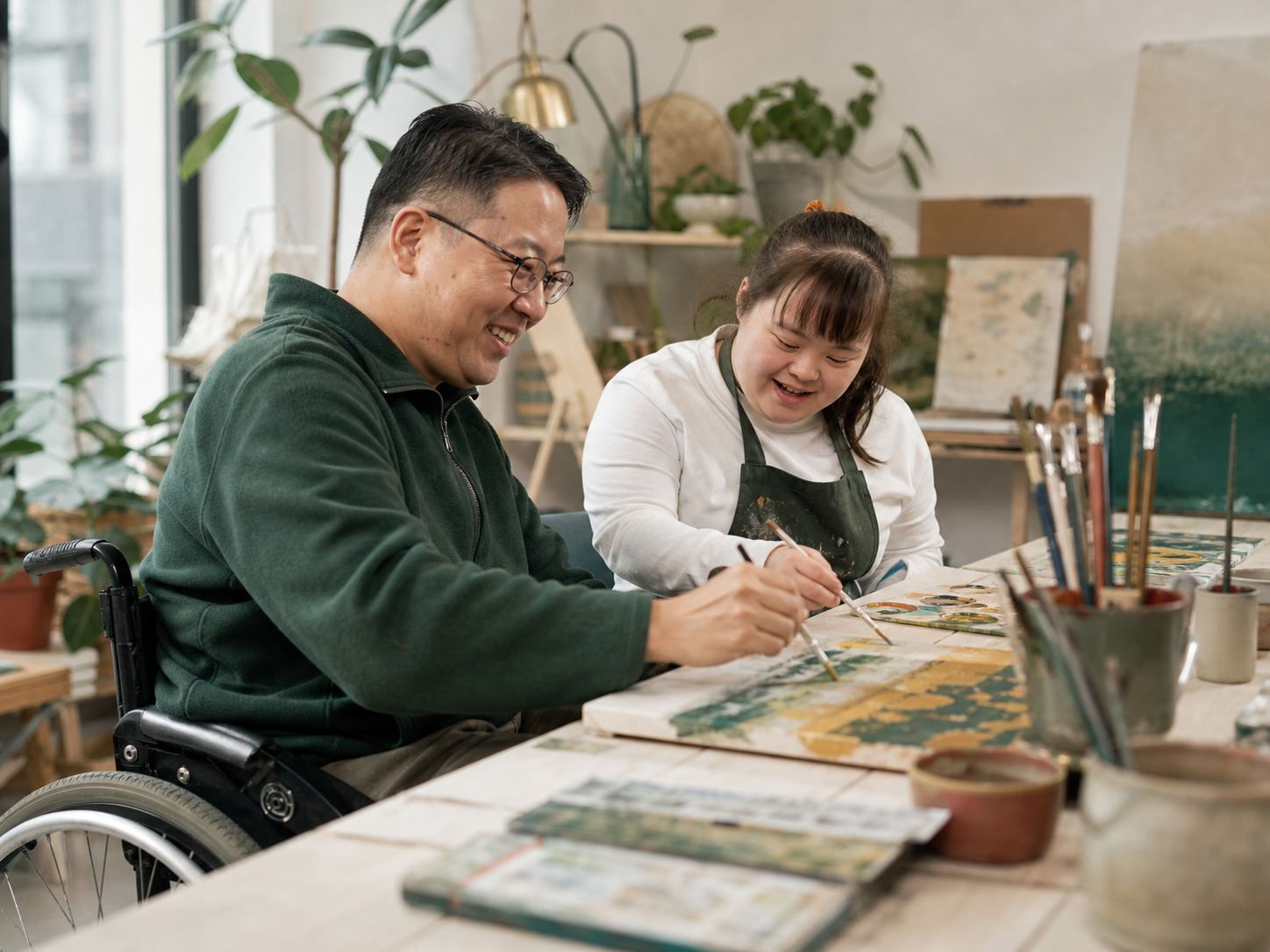
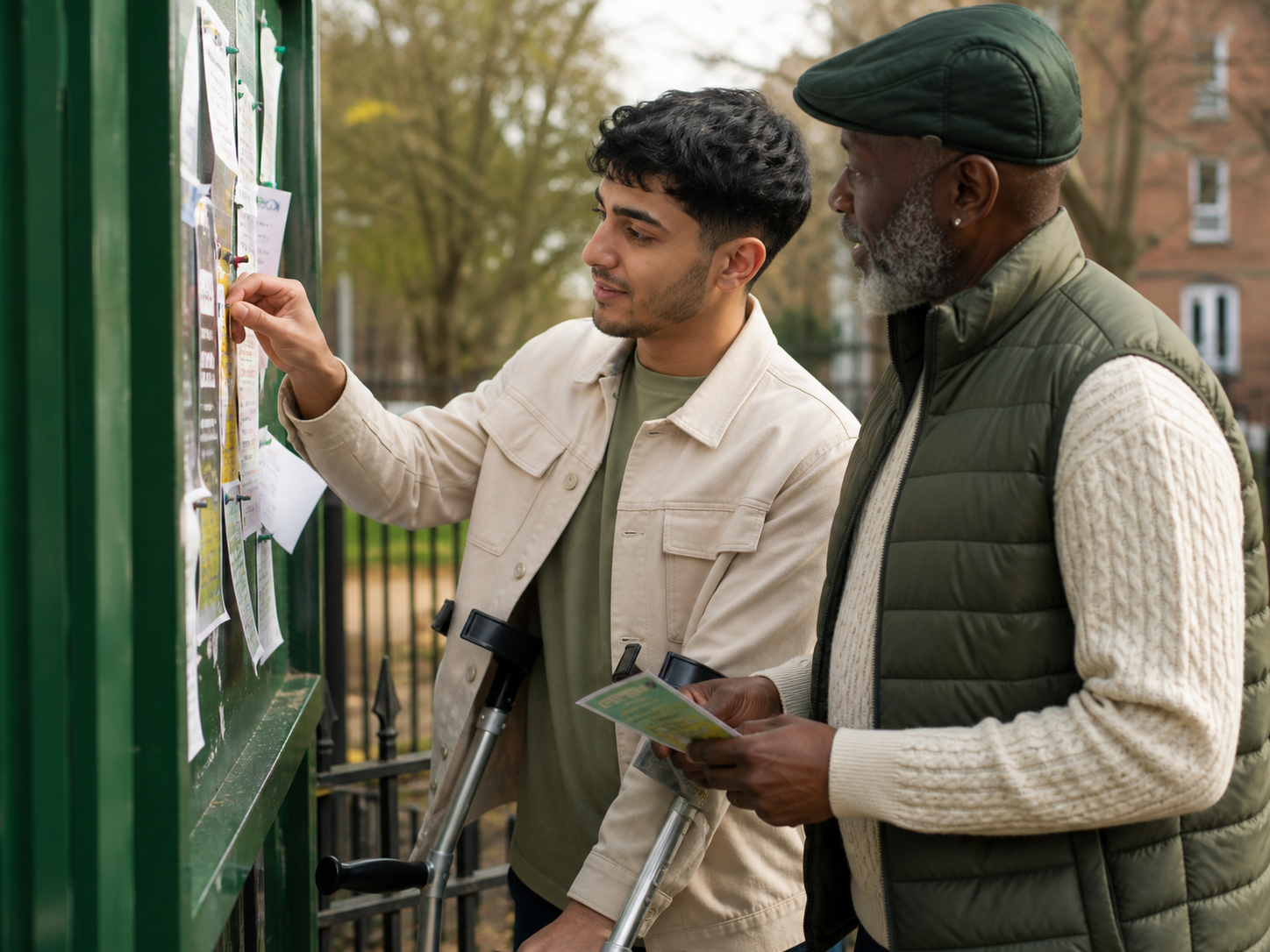
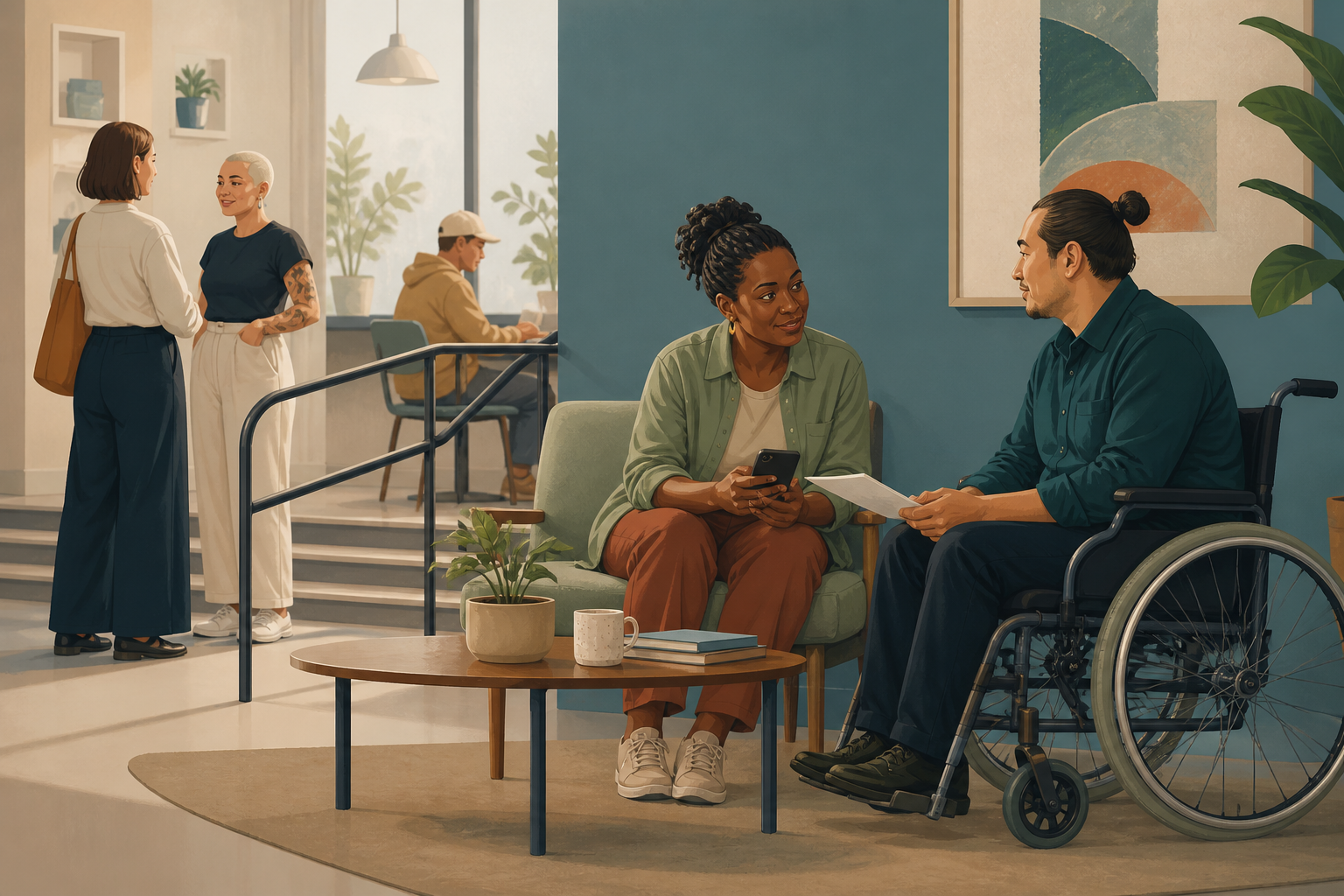
A disabled musician does not enter our world only as somebody needing assistance. They may need accessible transport to reach the venue, and then give everybody in the venue something no transport system could provide. A poet may need help completing an online form, and later write the sentence that gives another person courage. A photographer may struggle financially, and still possess the eye that teaches us to notice what everybody else walked past.
Needing help does not freeze the ability to give.
Sometimes support merely removes the obstacle standing between the person's gift and everybody else. That is not charity. That is releasing ability.
BRING YOUR ART.
A.D.D. should never become one person's gallery. This page must grow. So:
Bring us your work.
Your poem. Your painting. Your photograph. Your song. Your instrumental piece. Your digital design. Your short film. Your craft. Your story. Your comedy. Your dance. Your unfinished idea. You do not have to be famous. You do not necessarily have to call yourself an artist. Perhaps nobody has ever publicly seen what you make. That does not make it worthless.
A.D.D. wants, as our capacity develops, to create opportunities for appropriate work from disabled people, volunteers, older people, young people and others in our communities to be shared.
Because appreciation should not stop at saying:
“You have talent.” Sometimes appreciation means:
“Let us make some room for it.”
YOUR PHONE MAY ALREADY CONTAIN SOMETHING BEAUTIFUL.
Creativity has changed. Not every artist now owns a studio. The studio may be a telephone. Someone has photographed a Manchester sunrise. Someone recorded birds outside their window. Someone's grandmother is singing an old song. Someone captured a moment of unexpected kindness. Someone has made a thirty-second piece of music. Someone filmed something in their neighborhood that deserves to be seen. Someone wrote four lines at three o'clock in the morning because sleep would not come. Do not automatically dismiss these things as:
“just something on my phone.” Sometimes a telephone contains a fragment of somebody's inner universe.
With appropriate permission, safeguarding, privacy and editorial consideration, A.D.D. can gradually provide space for some of these contributions.
Create. Share. Let somebody else feel it.
MUSIC IN PLACES WHERE LIFE HAS BECOME QUIET.
There are people who cannot easily come to art. Perhaps art should sometimes go to them. Older people. Disabled people. People in supported accommodation. Care-home residents. People living alone. People whose world has become geographically small. Imagine an informal afternoon. A flute. A keyboard. Some tea. No grand stage. No intimidating programme. Someone begins an old song. Another person remembers it. Someone who has barely spoken all afternoon suddenly sings the second verse. For a few minutes, age loosens its grip.
Memory sometimes travels through melody when ordinary conversation cannot reach it.
A.D.D. would like creativity eventually to become part of how people meet one another. Not therapy pretending to be something it is not.
Simply: human beings making something beautiful together.
ART CAN CROSS THE BORDERS WE BUILD.
Manchester contains many languages. Many histories. Many faiths. Many cultures. Many countries carried inside individual people. Ordinary conversation sometimes struggles across those boundaries. Music behaves differently. A melody does not require translation before it can move somebody. Rhythm does not ask for a passport. Colour has no immigration status.
A tear produced by a song does not belong to a political party.
Art reminds us that humanity existed before many of the categories by which we now divide it.
That makes creativity quietly political too. Not party-political. Human-political. Because wherever society says: “You are different from me,”
art sometimes replies: “Listen again.”
ART SHOULD NOT BELONG ONLY TO THOSE WHO CAN AFFORD IT.
Creativity can become surrounded by institutions. Tickets. Venues. Qualifications. Auditions. Networks. Equipment. Confidence. Sometimes class. Sometimes geography. But human creativity began long before any of these.
Someone sang before there was a music industry. In fact Adam and Eve must have been crying when they last each other.
Someone drew before there was a gallery. Someone danced before there was a theatre. Someone told a story before there was a publisher.
Art belonged to humanity before it became a profession.
A.D.D. respects professional artists deeply. But it also wants to protect the ordinary human right to create. Badly, if necessary. Tentatively. Privately. Joyfully. Because not everything needs to become excellent before it becomes valuable. Sometimes the value was simply:
I made something today.
WE CAN CREATE TOGETHER.
As A.D.D. grows, perhaps this page can become more than a webpage.
Small creative gatherings. Music sessions. Poetry readings. Community exhibitions. Photography. Contributions from disabled artists. Young and older people creating together. Artists sharing an hour. People learning an instrument.
People who have never written poetry discovering that perhaps they already have. Visits. Collaborations. Recordings. Perhaps one day something we have not yet imagined.
We should not promise all of this before we have the capacity. But neither should lack of capacity today prevent imagination about tomorrow.
Everything begins with a beginning.
Perhaps the first beginning is simply uploading one flute piece. Then somebody sends a poem. Then another person sends a photograph. And the page begins breathing on its own.
WHEN KINDNESS IS NOT RETURNED.
There is another tiredness of the heart. You help. You give. You open a door. You make room. And sometimes the person forgets. Sometimes gratitude never arrives. Sometimes, painfully, kindness may even be answered with hurt. We discussed this on When Life Becomes a Knot because it belongs to the way A.D.D. walks with people. But it belongs here too because artists, carers, volunteers and sensitive people often carry things deeply.
Do not let somebody else's thanklessness become the composer of your character and future behavior.
Learn. Protect yourself. Establish boundaries. Do not repeatedly offer the same wound to the same knife. But do not conclude:
“I will never be good to anybody again.” The next person did not betray you and the betrayer has already got from you what he intended.
Let experience make kindness wiser, not smaller.
There is courage in remaining soft without remaining foolish. Do note that a soft heart gets robbed again and again and each robber says “I will never rob you”
THE HEART MUST BE LARGE, BUT IT NEEDS BOUNDRIES AND MUST ALSO REST
I believe a truly sincere heart can accommodate an extraordinary amount of human sorrow. Perhaps:
One truly sincere heart can accommodate the pain, sorrows and traumas of millions of hearts. (Rizvi)
But accommodation does not mean ownership. We cannot personally carry millions of lives. Nor should we try. Compassion without rest can become exhaustion. The musician has to breathe between phrases. The poet needs white space around the words. Even the heart needs somewhere to put down what it has been carrying. Perhaps art provides some of that white space.
Silence is part of music too.
Without the pause, sound becomes noise. Perhaps human life is not so different.
PUT SOMETHING DOWN
sometimes we must put down something we are holding for ourselves. To hold another person's hand, A little time. Convenience. Preoccupation. Pride. Perhaps the telephone we have been staring at. Perhaps the assumption that our own problems are the only urgent ones in the universe. We need not abandon ourselves. That would defeat the purpose. But perhaps humanity requires a small rearrangement of the hands.
Put something down.
Hold a hand. Then, when necessary, allow somebody to hold yours. There is no humiliation in either direction. That is how human beings remain human.
A PLACE FOR YOUR CREATION.
Eventually, this page will contain living sections such as:
LISTEN: Flute, piano, instrumental and vocal recordings from A.D.D. and contributing artists.
READ: Poetry, short reflections and creative writing.
SEE: Painting, photography, digital art, and community images.
WATCH: Selected performances, short films and creative clips.
SHARE YOUR WORK: A way for visitors to submit appropriate original creative work for consideration.
CREATE WITH US
Future gatherings, collaborations and community creative opportunities as capacity develops. And perhaps one particularly important section:
I USED TO CREATE. For the person who stopped. Stopped painting. Stopped singing. Stopped writing. Stopped playing. Stopped photographing. Perhaps because life became too heavy. We do not ask:
“Why did you give up?”, We say:
“Let us create again please?”
No pressure. No audience required. Perhaps one line. One photograph. One note. Everything begins with a beginning.
LIFE IS STILL BEAUTIFUL.
This phrase has travelled through A.D.D. for a reason. It does not mean life is always easy. That would be absurd. Life can be brutal. Unfair. Lonely. Exhausting. It can take things without asking permission. But beauty and pain are not mutually exclusive. A difficult day can contain a beautiful piece of music.
A hospital window can contain a sunset. A lonely room can contain poetry. An old hand can still keep rhythm. A disabled body can still create. A wounded person can still love. A tired heart can rest, and perhaps begin again. So when somebody asks:
“How are you?”
Perhaps sometimes, despite everything, there remains an answer:
Life is still beautiful.
Not because nothing hurts.