
A pledge need not begin by telling the world what is wrong with it. It should begin by remembering what is still right within us. And that we will use it for other's good. Human beings still notice. Still feel. Still understand. Still care. Still help. Still sacrifice. Still stand beside strangers. Still give without being asked. Still hold a scratching hand when they cannot repair the wound. The tragedy is not that humanity has disappeared. Perhaps we have simply become too busy, too divided, too frightened, too exhausted, or too accustomed to avoid looking and to "mind our own business only". A.D.D. does not claim or demands to invent humanity. It asks us to remember it. And remembering begins with something very small.
THE HUMAN STAIRCASE
A.D.D. expresses its philosophy through six steps: Notice → Empathy → Understanding → Responsibility → Action → Humanity. These are not merely six attractive words. Each asks something of us. And each becomes incomplete if we refuse to take the next step.
NOTICE-1: Humanity Begins Before Help Is Requested
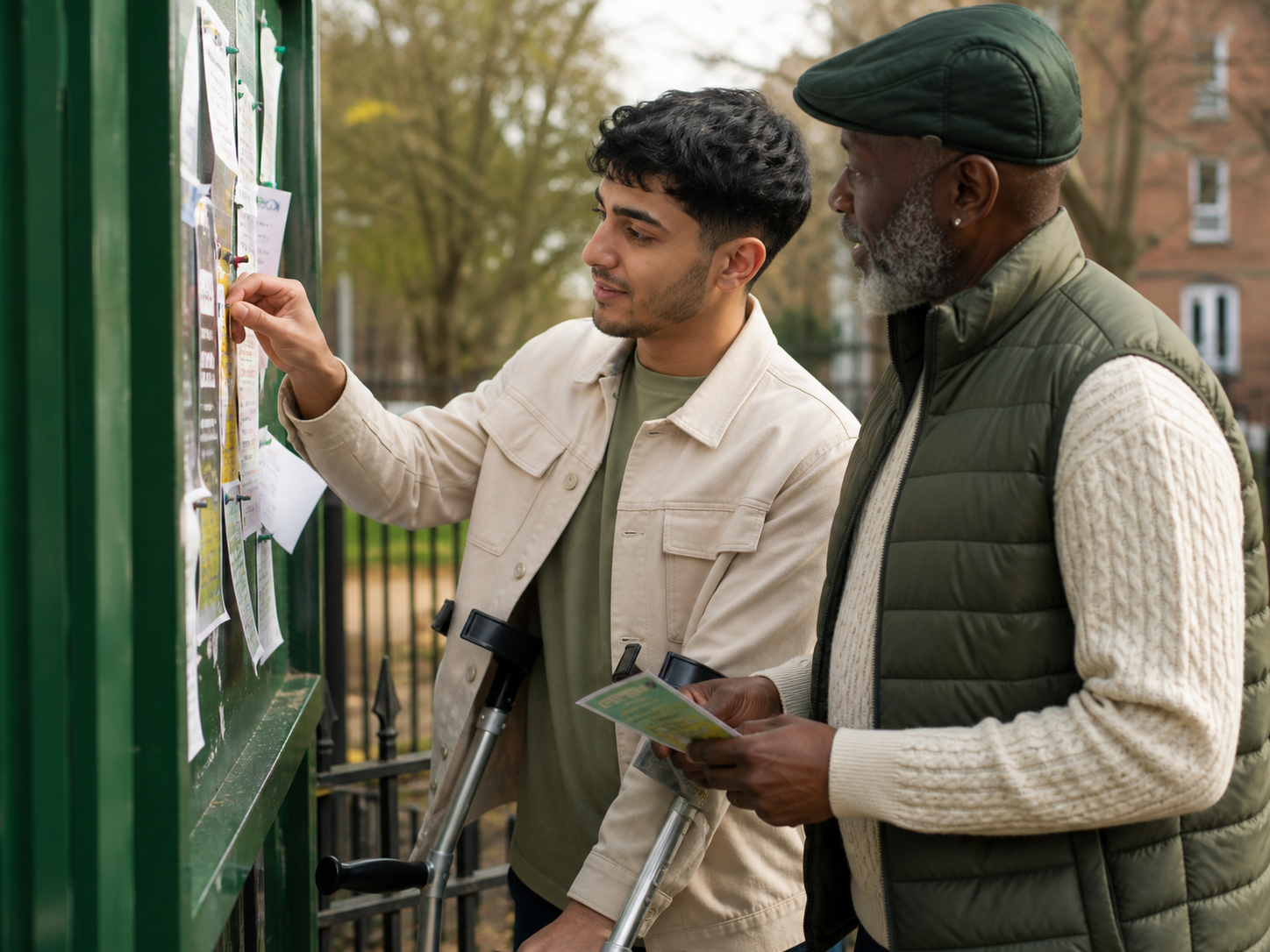
Look. Not suspiciously. Not intrusively. Humanly. Notice the person who is usually talkative but has become quiet. The neighbor you have not seen. The disabled person struggling with something everybody else passes without thinking. The older person staring at a screen they do not understand. The student suddenly disappearing from participation or complaining against targeted exclusion with undeniable evidence. The carer who tells you everything about the person they care for but nothing about themselves. The person whose clothes, gait, voice, eyes or behaviors quietly tell you: something has changed. Not every difficulty is visible. And not everybody asks. Some people cannot find the words. Some are embarrassed. Some have been refused as a pattern before. Some have learned through experience that asking creates fatigued humiliation. Some fear becoming a burden. Some protect their dignity by hiding their need. And some have simply stopped believing that anybody will care.
So where concern is genuine and appropriate:
NOTICE-2:
Ask. And sometimes, gently, ask again. Remember, the person in need may not believe that anybody can help. Do not force a door open. But do not mistake a closed door for proof that nobody is inside.
EMPATHY: Let What You Notice Reach You
Empathy is a great value. Empathy is the finest art of stepping completely out of our own story to stand fully in another's story and respecting their deprivations and adoring blessings as they truly are. Something has touched us. But sympathy or empathy cannot be the destination. Yet we can feel sorry for somebody and continue walking. We can say: “That's terrible.” And change nothing. We can shake our heads at poverty and say “that is miserable.” and do nothing. We can dislike Discrimination and have drinks with discriminators in the evening. We may feel sorry for lonely elders and may still not spare few minutes to combat Loneliness. We can deliver lectures on Disability barriers still watch our fellows ignoring Disabled. We can set up organizations to eliminate Injustice and decorate merely some posters on the wall. And then return comfortably to our own lives. A.D.D. asks empathy to move not into pity. But towards --
UNDERSTANDING: Respectfully and Sincerely Understand
This may be the most important step. Understanding is active. It requires listening. Patience. Attention. Sometimes repetition. Sometimes silence. It requires us to resist the temptation to decide somebody's story before they have finished telling it. Do not begin with: “If I were you…” You are not them. You were never. Your body may be different. Your health may be different. Your education, income, language, confidence, family, history, trauma, disability, opportunities and support may all be different. The same staircase is not the same journey for every pair of legs. The same form is not the same task for every mind. The same waiting time is not the same burden for every body. The same silence is not the same experience for every lonely person.
So, Respectfully and sincerely understand. Not to judge. Not to diagnose somebody's character. Not to decide whether they have suffered sufficiently to deserve kindness. Understand so that the help, if help is possible, responds to the person rather than our assumption about the person. And remember that Understanding delayed is understanding refused. Because understanding that arrives after the deadline, after the opportunity, after the breakdown, after the person has given up asking. May be understanding that arrived too late to help is like satire.
RESPONSIBILITY: Understanding Must Ask Something of Us
Once we genuinely understand that another person is struggling, a question arises: “Is there something reasonably within my reach?” Not, “Can I solve their entire life?” Probably not. Not, “I Must sacrifice everything?” No, and certainly not: “How can I become their savior?” A.D.D. does not need saviors. It needs human beings. Responsibility may be very small. Perhaps you know which number to call. Perhaps you can explain a letter. Perhaps you can carry something. Perhaps you can spend twenty minutes setting up an online account. Perhaps you know somebody who knows more than you. Perhaps you can accompany the person. Perhaps you can listen. Perhaps you can simply say: “I cannot solve this, but I will help you find who might.” Responsibility begins when we stop asking only: “Whose job is this?” and occasionally ask: “What part of this is within my humanity?”
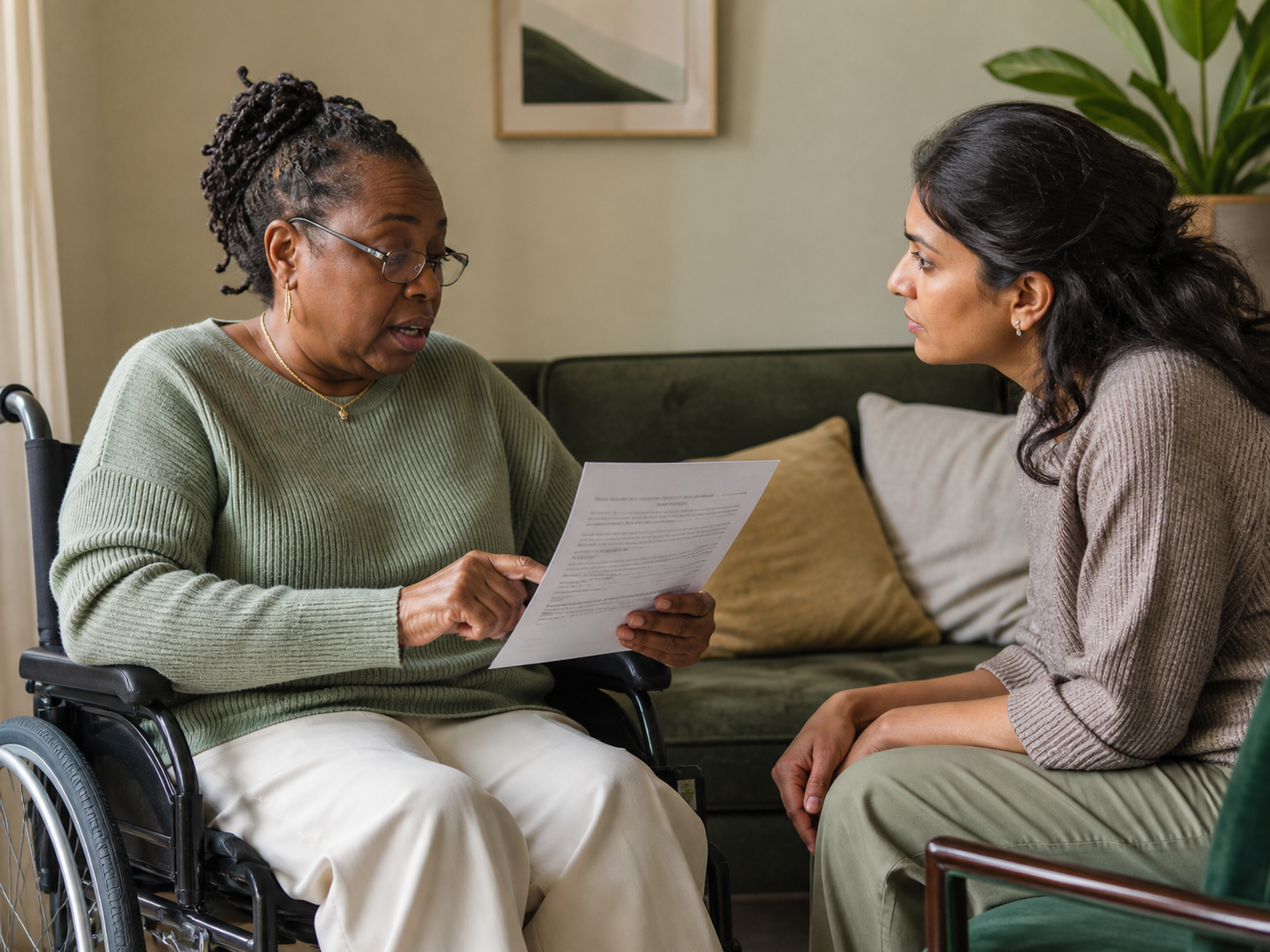
A CIVILISED SOCIETY CANNOT BE OUTSOURCED.
Governments have responsibilities. Councils have responsibilities. Police have responsibilities. Schools and universities have responsibilities. Healthcare systems have responsibilities. Housing providers have responsibilities. Employers have responsibilities. Law has a vital role. Institutions matter. But a peaceful, respectful and civilized society cannot be produced entirely by government departments. Society also happens between two people. In corridors. On pavements. Between neighbors. At work. On buses. In classrooms. Inside families. Online. In waiting rooms. At shop counters. At somebody's front door. No Act of Parliament can force one human being to notice every lonely neighbor. No government department can manufacture friendships. No policy can compel genuine gratitude. No regulation can replace every missing act of consideration. Law can establish minimum standards. Humanity should sometimes take us beyond the minimum.
A.D.D. therefore recognizes institutional responsibility without surrendering individual responsibility. A better society is not only something governments administer. It is something people practice.
ACTION: Let Understanding Become Visible and felt
Feeling matters. Understanding matters. Intentions and moods matter. But eventually humanity must acquire hands. Action is where care becomes visible. Make the call. Write the email. Explain the letter. Fill the form together. Find the accessible entrance. Help upload the document. Accompany somebody. Share the meal. Visit. Listen. Introduce. Refer responsibly. Teach the digital skill. Play the music. Give the hour. Return tomorrow when you said you would. Sometimes action is not doing something for somebody. It is doing something with them. That distinction matters. Walk with them. Do not unnecessarily carry somebody who can walk. Do not push somebody towards a destination they did not choose. Do not make support another form of control. Help should recognize ability as carefully as it recognizes difficulty. The purpose is not to manufacture dependence. It is, wherever possible, to: Restore confidence, reproduce hope, and regenerate courage.
HUMANITY: Not a Label, A Practice
What does it mean to be human? Biology answers one version of that question. A.D.D. asks another. What do we create in the lives of others by our existence? What do we imprint on the souls of others? Rejection? Fear? Humiliation? Indifference? Or dignity? Relief? Belonging? Hope? A person may possess lots of wealth, education, status and influence. Another may possess very little. But humanity is not ranked by bank balance, title or social position. Humanity is measured partly by what our existence renders another human being to feel. It extends to other beings than human too. “Charity begins from home”. So, A.D.D. began from human. Did somebody feel less alone because we noticed? Did somebody regain confidence because we understood? Did somebody find a door because we walked with them? Did somebody begin believing in people again? Perhaps this is the summit of our staircase. Not perfection. Not sainthood. Just becoming sufficiently human, simply valuing another human being as meaningful and delicate as ourselves.

APPRECIATION IS ALSO A RESPONSIBILITY
A.D.D.'s first word is not accidental. Appreciate. When somebody helps you, notice that too. He was not necessarily bound to. But he did. Kindness should not become invisible simply because somebody gives it freely. At the same time thanklessness of the receiver should not discourage the giver as thankfulness is there too. Say thank you. Mean it. Say it sincerely. Make sure it reaches. Sometimes say it again. It does not cost anything, but you ensure that the helper will repeat his act again with someone, somewhere else. Remember the person who stood beside you when they did not have to. And when circumstances allow, ask, “Can I do something for you?” or “I will feel being human by doing something for you too. Tell me what is that”? Not as payment. Humanity is not an invoice. But as recognition that giving should not permanently travel in only one direction. A society that continually undervalues kindness without acknowledging it risks exhausting its kind people. Gratitude nourishes kindness. Appreciation tells another human being: “What you did for me, reached me.” That matters.

THE PERSON WHO NEEDS HELP CAN STILL HELP.
Need does not null the ability. A disabled person may need physical assistance and possess extraordinary knowledge. An older person may struggle digitally and carry seventy years of wisdom. A migrant may need help understanding one system and speak three languages. A person receiving benefits may still volunteer. A student may be struggling academically and still support somebody emotionally. A lonely person may still make another lonely person feel less alone. A person living with pain may still create beauty. We must stop dividing humanity permanently into: Givers and receivers. We are both. At different moments. In different ways. Sometimes on the same day. The person whose hand you hold today may stabilize yours tomorrow. That is not charity flowing downward. That is humanity moving between us.

DISABLED FIRST IN THE CENTER
Humanity all around. A.D.D. was born with disabled and discriminated people at its Centre. They remain nucleus. Not because disability makes somebody more human than anybody else. And certainly not because disability makes somebody less capable. But because equal participation does not always require identical treatment. Some people encounter barriers others never have to think about. Physical barriers. Sensory barriers. Digital barriers. Communication barriers. Financial barriers. Attitudinal barriers. Administrative barriers. And sometimes the greatest barrier is simply being repeatedly misunderstood, which takes the biggest toll. So A.D.D. begins here: Disabled in the middle. And from there: Humanity all around. Because recognizing the one whose needs are easiest to overlook can teach us how to build a society that sees everybody more humanly.
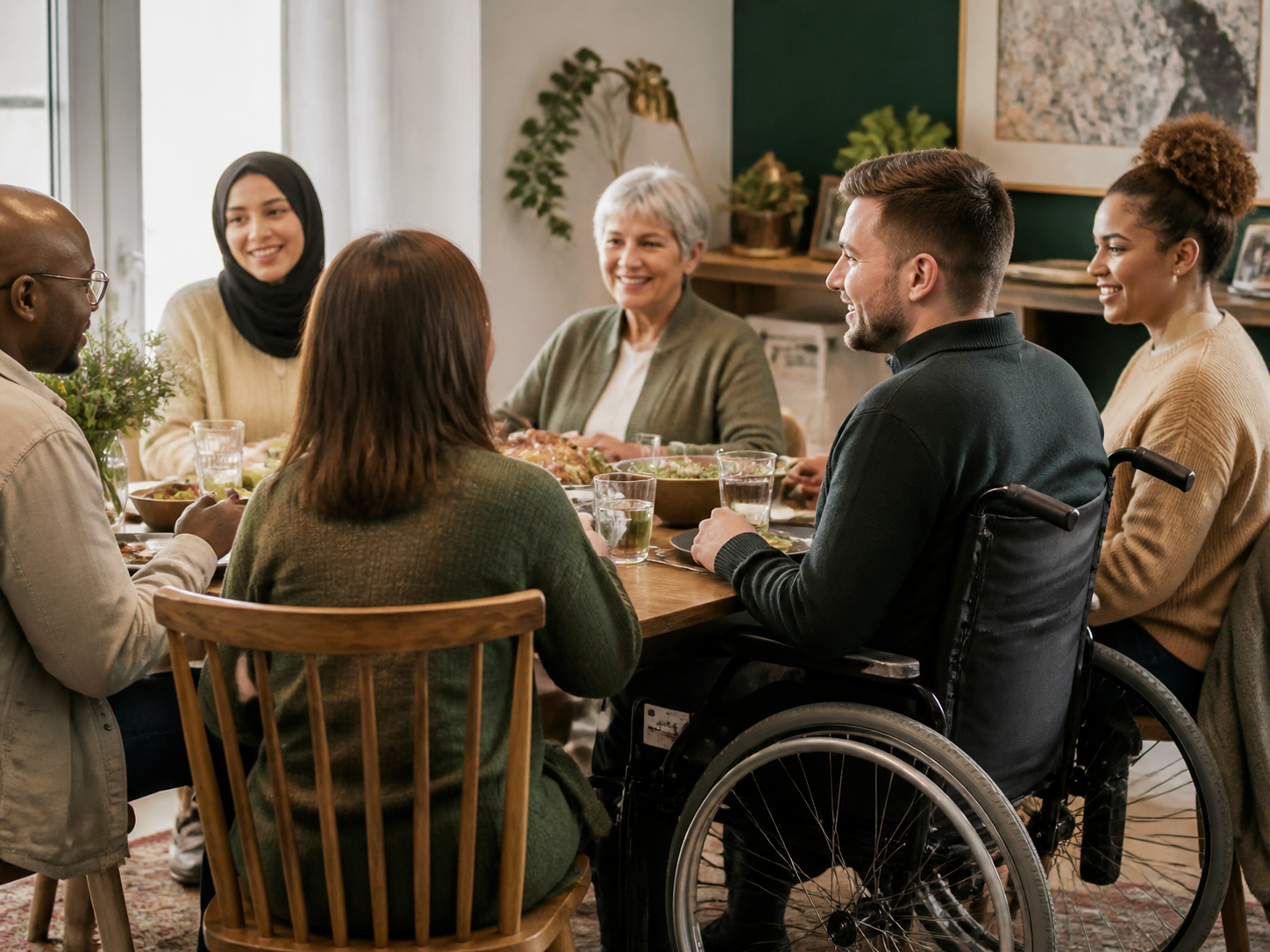
NO ONE SHOULD NEED TO PASS A DEGREE IN THEIR OWN PROBLEM.
People in difficulty are often expected to become experts. Know the department. Know the terminology. Know the policy. Know the form. Know the deadline. Know the evidence. Know which organization is responsible for. Know exactly how to describe what happened. And explain it calmly. Chronologically. Repeatedly. Sometimes several organizations. But the person may be exhausted precisely because they are undergoing the problem they are being asked to administrate. A.D.D. believes the first response should not always be: “You have contacted the wrong place.” Sometimes it should be: “Let us head to where the right place is.” And where another service must take responsibility, humane referral should not become another word for abandonment through delay. Some help can wait. Some cannot. A stitch in time saves nine. A small intervention today may prevent a much larger crisis tomorrow. A telephone call before the deadline. A conversation before isolation deepens to no return. An adjustment before somebody gives up. An explanation before misunderstanding becomes conflict. A hand before somebody falls. So alongside: A Delayed access is denied access.
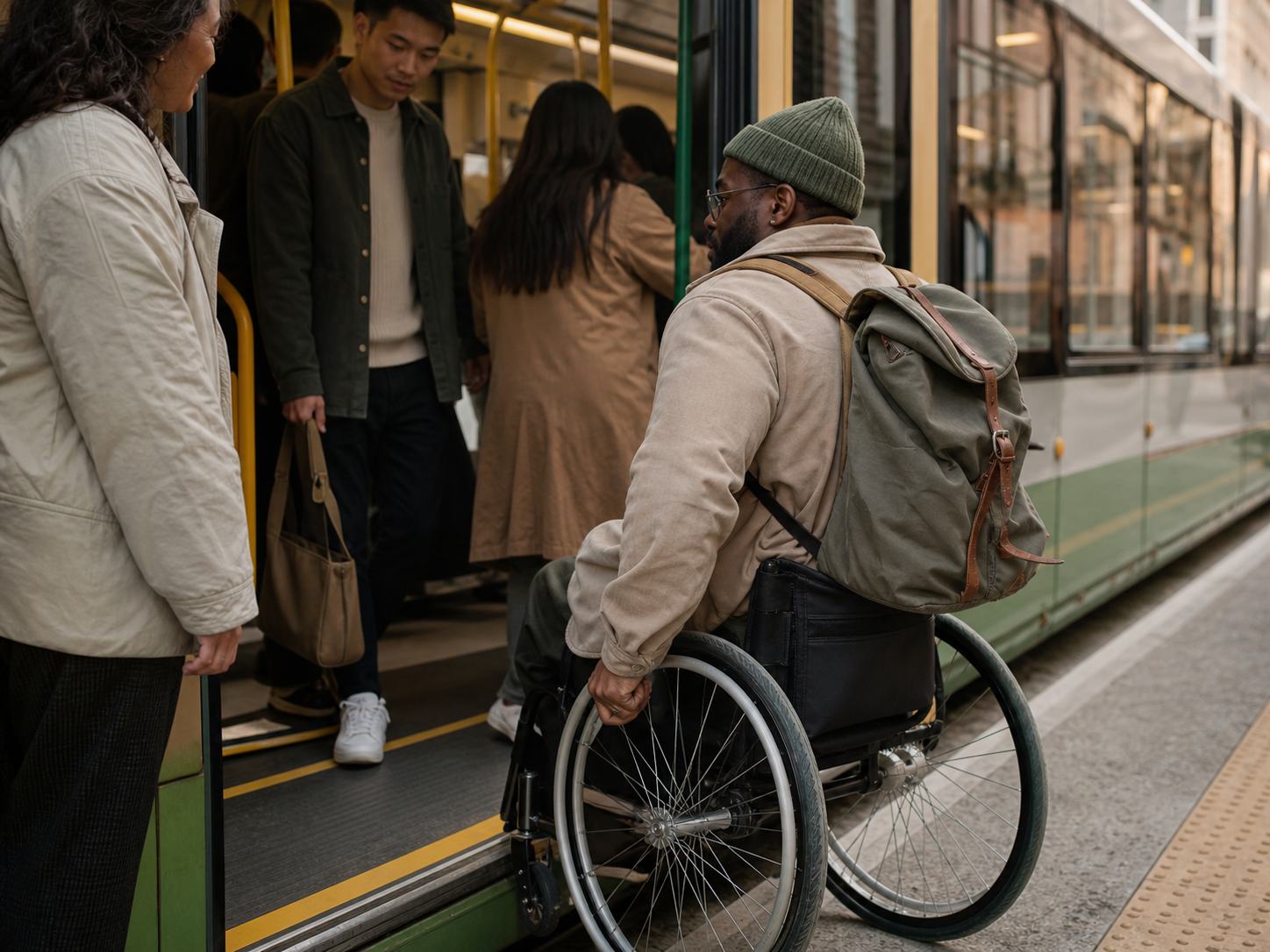
UNDERSTANDING DELAYED IS UNDERSTANDING REJECTED
A deferral of right is denial of right. Late remedy is waste of time and sources. Patience is a civil blessing only without suffering. Delay is an alternate word for rejection. A.D.D. remembers: Help delayed is help denied. Not because every request can be answered immediately. That would be unrealistic. But because urgency should be understood from the circumstances of the person who needs help — not merely from the convenience of the person providing it.
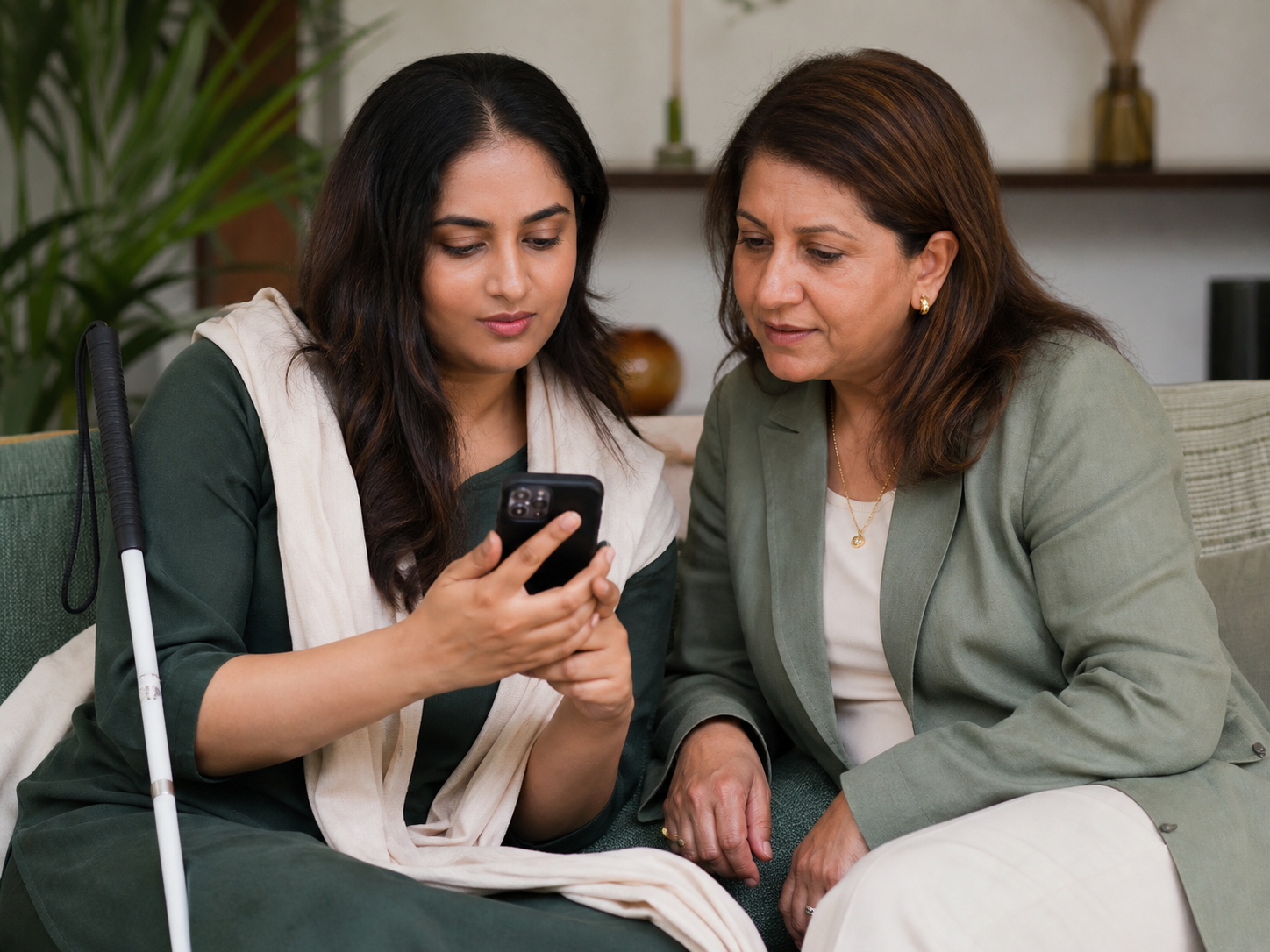
WE DO NOT JUDGE THE PERSON WE ARE TRYING TO UNDERSTAND
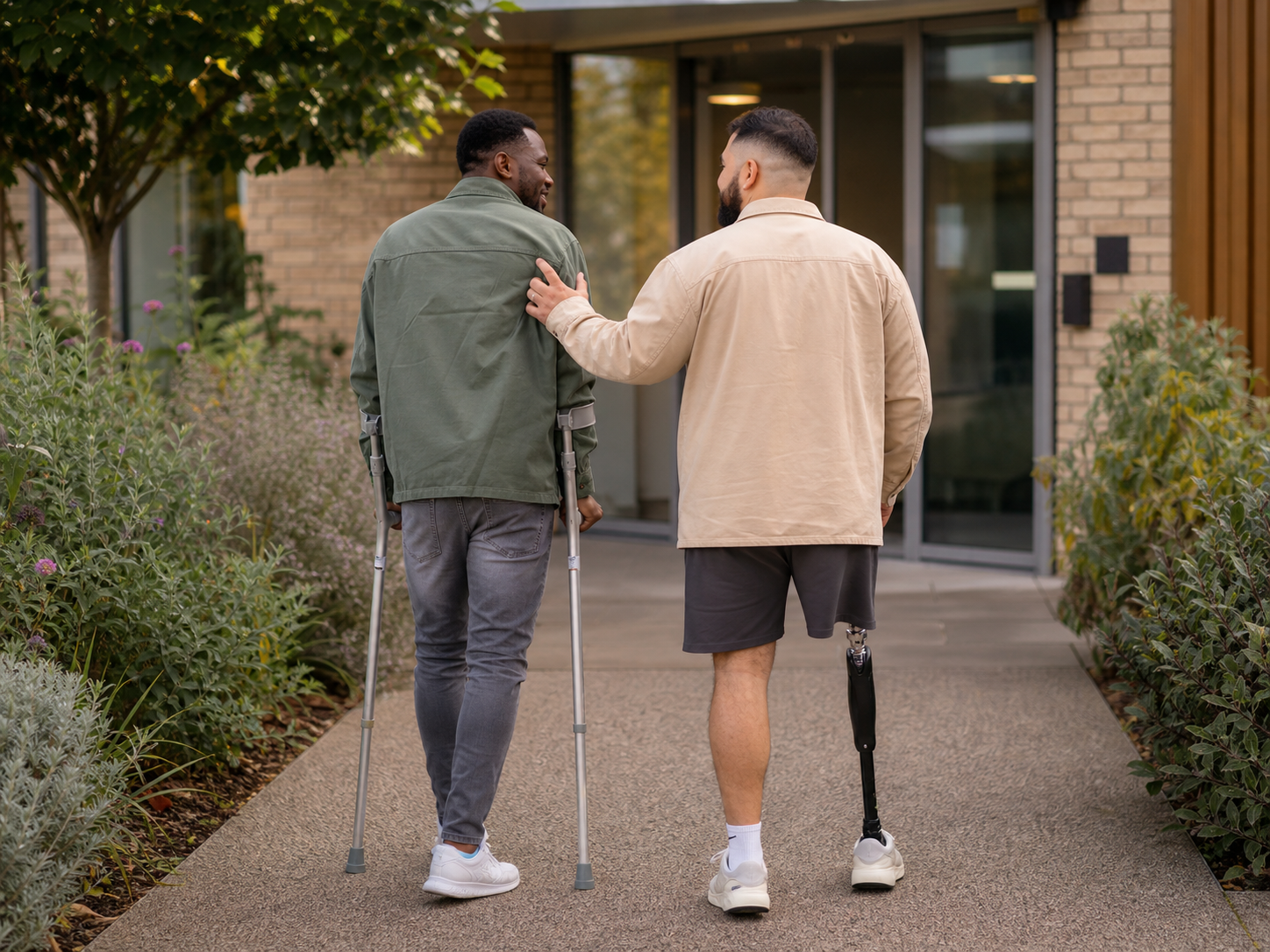
People make mistakes. People fail. People become confused. People take wrong turns. People sometimes damage themselves. Humanity does not require us to approve of every decision another person makes. Nor does support require us to pretend harmful behavior is harmless. But there is a difference between recognizing a problem and reducing a human being to that problem. Sometimes a person is already walking towards their own destruction. Humanity may mean walking with them long enough to help them turn, with dignity, understanding, support, patience, and, where necessary, appropriate professional intervention. Do not throw away human beings because some part of their life has gone wrong.
A.D.D. DOES NOT PROMISE HEAVEN
We cannot eliminate injustice. We cannot cure every illness. We cannot end loneliness. We cannot make every institution fair. We cannot guarantee every application, complaint, or appeal. We cannot promise that every person we try to help will succeed. We cannot even promise that every person we help will remember us kindly. Some human relationships are not reciprocal contracts guaranteeing gratitude. So why continue. Because another person's response cannot be the only measure of whether our humanity was worthwhile. We will always and everywhere. Do good because good badly is needed. We affirm that lack of gratitude or thanklessness from the helped will not discourage us from being good to others. Learn where necessary. Protect reasonable boundaries. Do not allow kindness to become exploitation. But do not let somebody else's thanklessness teach you to become indifferent to everybody else. That would allow one wound to reproduce itself through us.

THIS IS NOT ABOUT WHAT WE ARE
It is all about: what we can become. A human being can contribute to another person's destruction. Through cruelty. Neglect. Humiliation. Exploitation. Indifference. Racism. Extortion. Or simply by repeatedly walking past what they could reasonably have noticed and sorted. But human beings can also interrupt destruction. They can notice. Understand. Stand beside. Support. Protect. Guide. Refer. Teach. Listen. Share. Create. Appreciate. And walk. That possibility is the foundation of A.D.D.
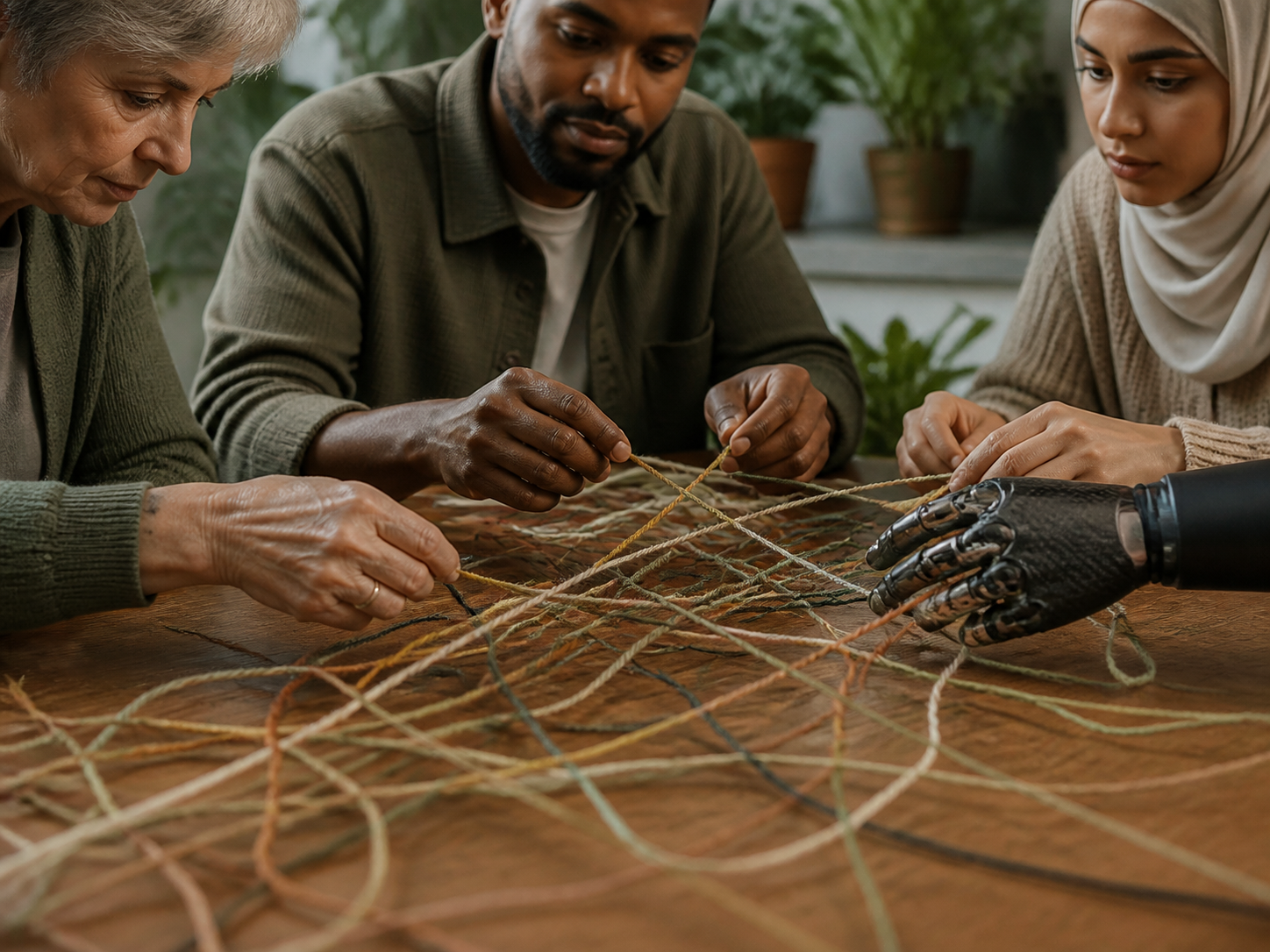
OUR PLEDGE.
- We will try to notice before being asked.
- We will try to understand before assuming.
- We will respectfully and sincerely understand before acting.
- We will recognize responsibility without pretending we can solve everything.
- We will turn appropriate understanding into appropriate action.
- We will protect dignity while helping.
- We will appreciate kindness and encourage gratitude.
- We will search and admire ability inside disability.
- We will not permanently divide people into helpers and helped.
- We will not confuse referrals with rejection.
- We will not judge a person's entire worth by the difficulty that brought them to us.
- We will prioritize disabled and discriminated people while inviting humanity from everybody.
- We will remember that civilized society is created not only by governments and institutions, but in ordinary relationships between human beings.
- And when we cannot change the whole world:
We will look for the forgotten human being within our reach.
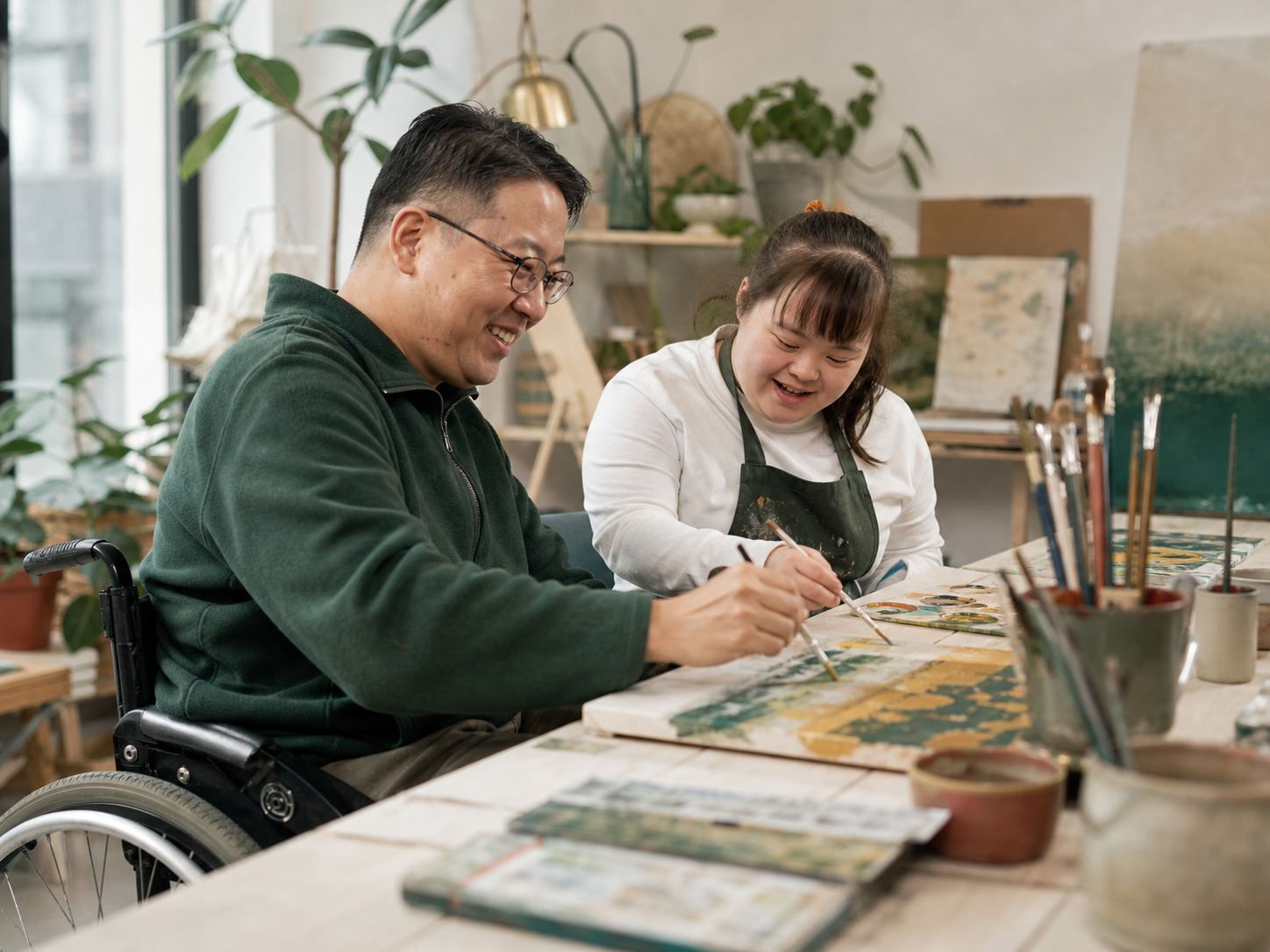
NOTICE → SYMPATHY → UNDERSTANDING → RESPONSIBILITY → ACTION → HUMANITY
That is not merely a slogan. It is a direction of travel. Perhaps we will not always reach the final step. Perhaps sometimes we will misunderstand. Sometimes we will need to reconsider. Sometimes somebody else will understand better. That too is part of being human. But we can keep climbing. One person. One act. One moment of understanding at a time. And perhaps, somewhere between receiving and giving, between falling and holding, between silence and being heard, we will rediscover something we should never have forgotten: We belong to one another. We have been sent here to make one another’s life easy and create comfort. And despite everything: Life is still beautiful.