YOU ALREADY HAVE SOMETHING TO GIVE
Perhaps you opened this page thinking:
“I would like to help, but what can I possibly offer?”
That question itself may already be a beginning. You do not need to be wealthy. You do not need a professional title. You do not need an office. You do not need to promise ten hours a week. You do not need to know everything. And you certainly do not need to become somebody's savior. Perhaps you know how to use a computer. Perhaps you can make a telephone call confidently. Perhaps you understand forms. Perhaps you drive. Perhaps you speak another language. Perhaps you know your neighborhood.
Perhaps you understand benefits, housing, education, employment, disability, technology, music, art or administration through your own experience. Perhaps you can teach. Perhaps you can listen. Perhaps you simply have an hour.
You already have something to give.
The question is not always how much you have.
Sometimes the question is:
Who might need the little that you already know?
ANYTHING ORDINARY TO YOU. EXTRAORDINARY TO SOMEBODY ELSE.
Imagine somebody has received a letter telling them to log into an online account.
To you, that may be ordinary. Email address. Password. Security code. Upload. Submit. Finished.
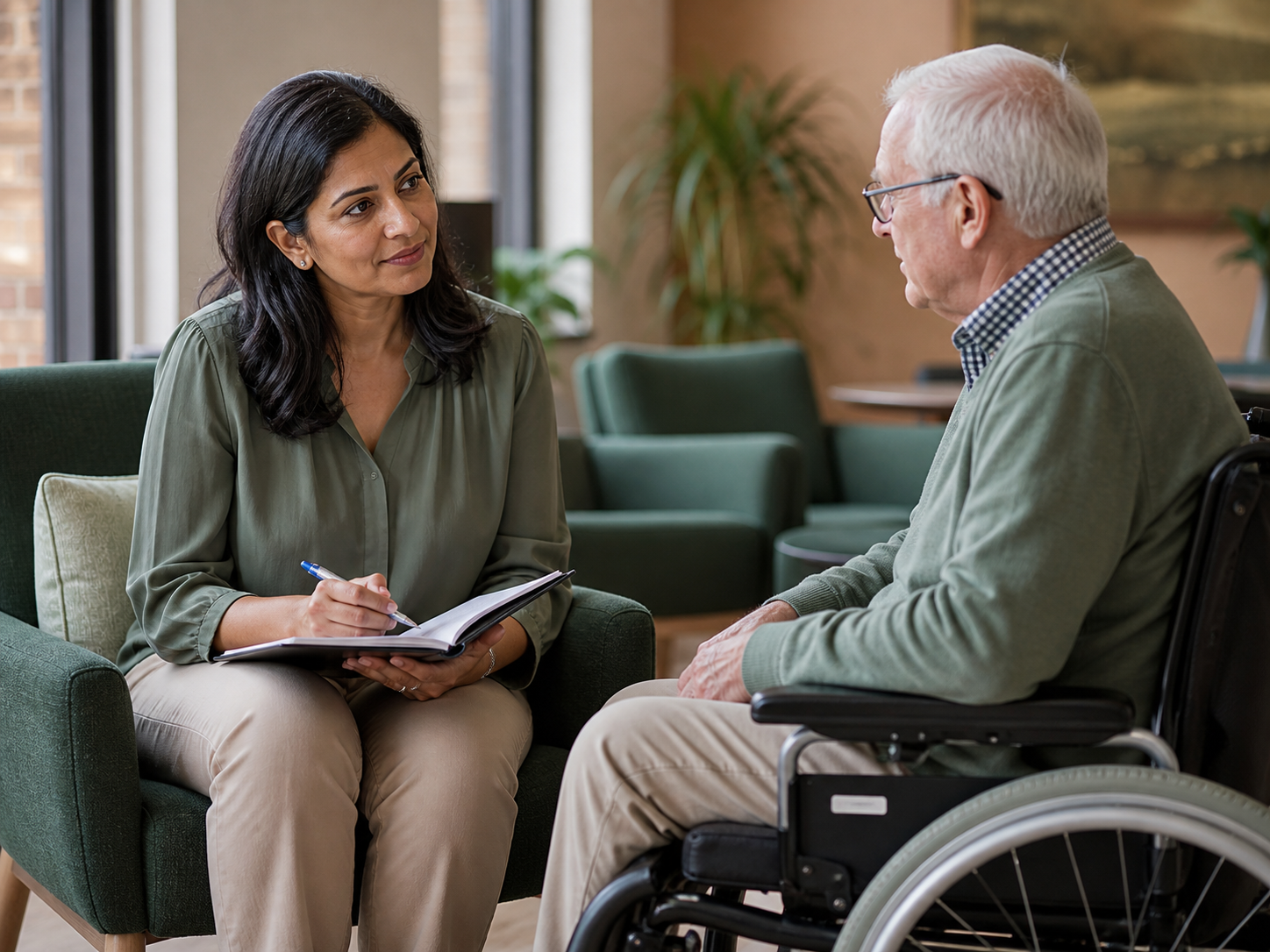
For somebody else, those five minutes may represent five days of anxiety. Imagine an older disabled person trying to create an online account. Imagine somebody who does not confidently read English. Imagine somebody whose hands make typing difficult. Imagine a person who has never uploaded a document. Imagine somebody frightened of pressing the wrong button because the letter concerns their income, housing or independence.
You sit beside them. You do not take over. You show them. Together, you complete what needs completing. And suddenly the enormous problem becomes smaller.
Your ten ordinary minutes may become somebody else's extraordinary relief.
That is volunteering too.
YOU DO NOT HAVE TO CHANGE A LIFE.
This matters. The phrase “change someone's life” is used so often that helping can begin to sound impossibly heroic.
A.D.D. asks something more realistic.
Do not begin by trying to change somebody's life.
Make one difficult part of it easier.
Explain one letter. Make one call. Share one piece of knowledge. Accompany somebody to one appointment. Help find one service. Teach one digital skill. Spend one hour. Listen to one story. Introduce one person to another. Sometimes the smallest hinge opens the heaviest door. And sometimes the person will take it from there. That is not an incomplete success.
That may be the best success.
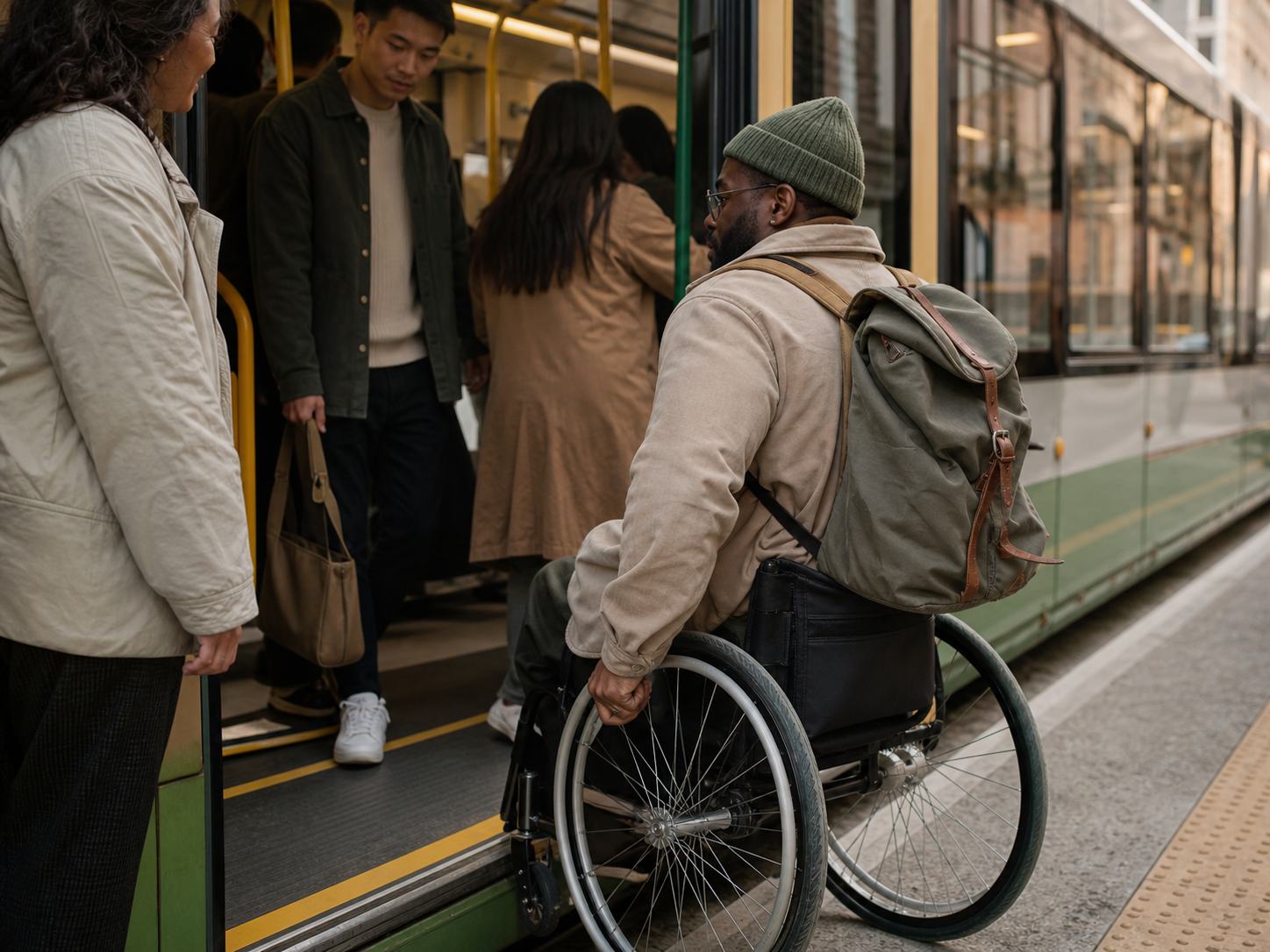
VOLUNTEERING IS NOT ONLY FOR “VOLUNTEERS”.
Many people hear the word volunteer and imagine an organisation, uniform, rota, training programme and several free afternoons every week. Those forms of volunteering are valuable. But human usefulness is much wider.
A.D.D. wants to awaken the volunteer already hidden inside ordinary life.
The neighbor who understands technology. The retired professional with knowledge still alive inside them. The student who can spare an hour. The taxi driver who knows the city. The musician willing to play. The artist willing to teach. The bilingual person who can help communication. The administrator who understands forms. The person who has successfully navigated a difficult system and can explain what they learned.
The young person who can make the digital world less frightening for somebody older.The older person who can give the young person something no search engine can provide:
Experience.
Human beings carry resources inside them that never appear on a bank statement.
A.D.D. wants to help those resources find people who need them.
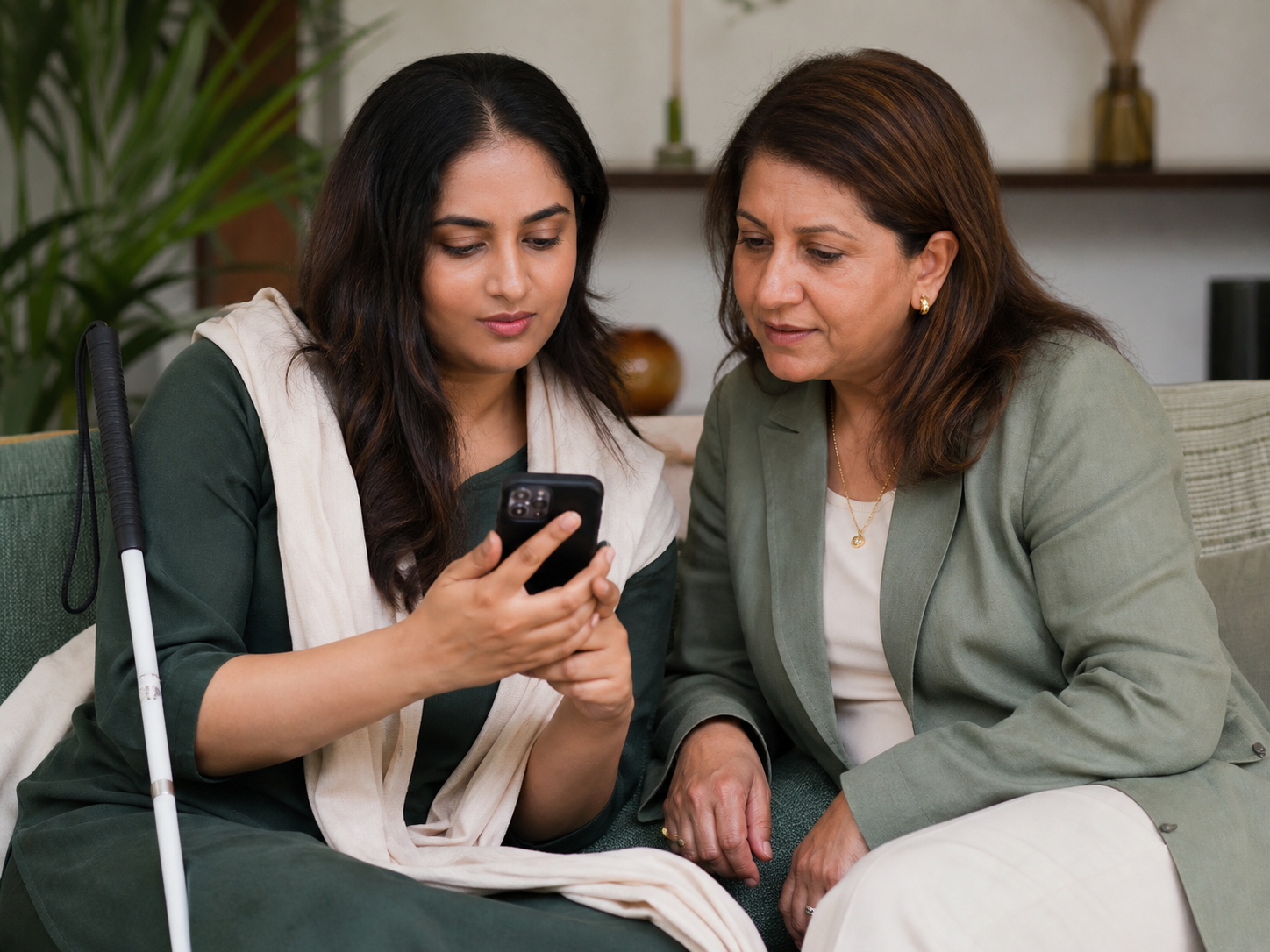
YOU MAY HAVE LEARNED SOMETHING THROUGH YOUR OWN DIFFICULTY.
Experience can become useful. Perhaps you have navigated disability services. Perhaps you cared for somebody. Perhaps you experienced homelessness. Perhaps you returned to education later in life. Perhaps you learned how to deal with a particular public service. Perhaps you experienced isolation after migration. Perhaps you learned how to access community support. Perhaps you know how difficult it is to make the first telephone call. What happened to you does not automatically qualify you to advise everybody else. Every person's circumstances are different. But lived experience can give something valuable:
Recognition.
The ability to say:
“I understand why this feels difficult.” And sometimes:
“I learned something while going through this. Perhaps part of it may help you.”
Pain should never be romanticised. But where possible:
What wounded us may still teach our hands how to hold somebody else more gently.
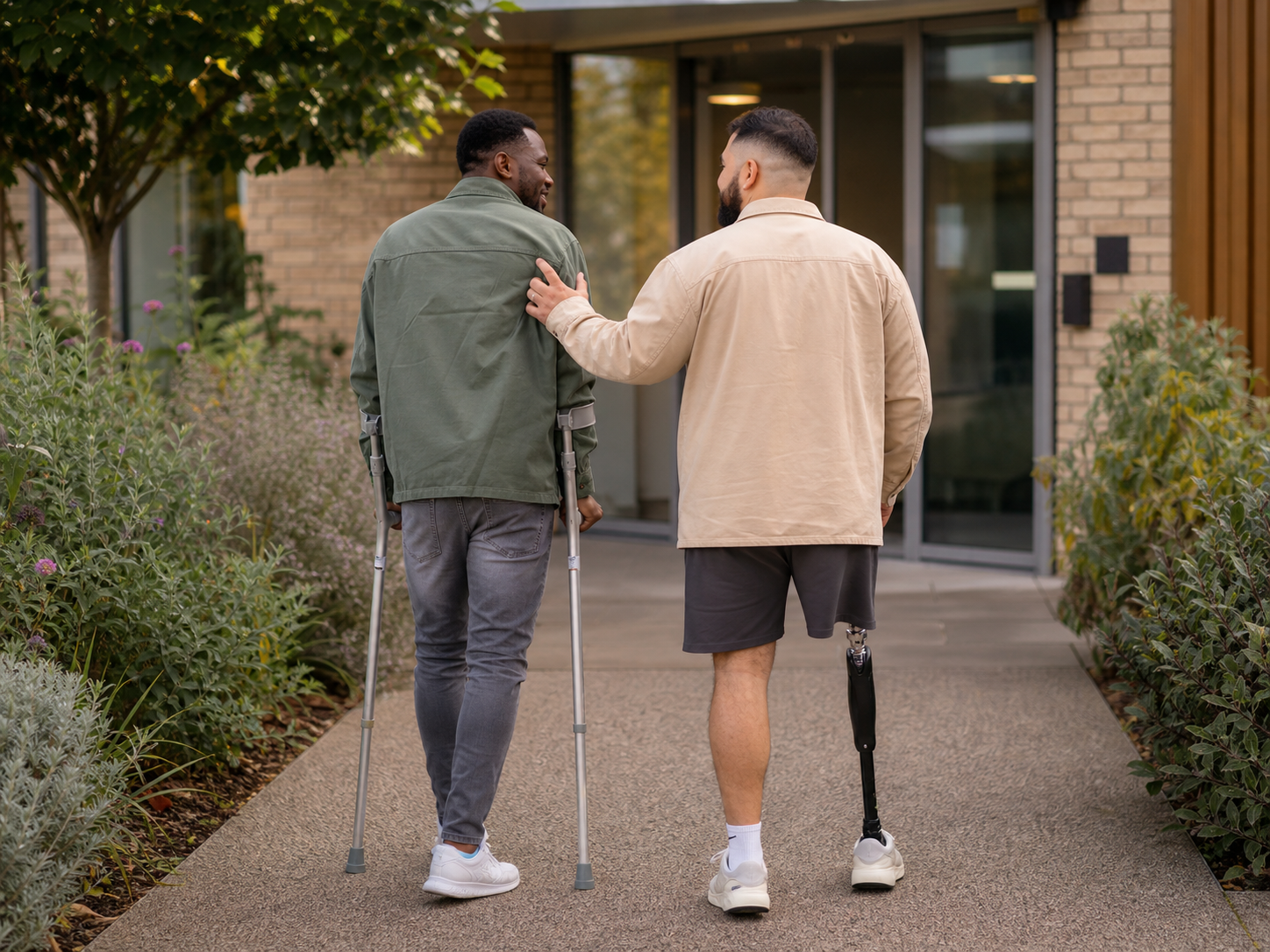
THE PERSON RECEIVING HELP MAY ALSO BECOME A VOLUNTEER.
This is central to A.D.D.
We do not want two permanent queues:
HELPERS and PEOPLE WHO NEED HELP.
Human life does not work like that. Perhaps you contact A.D.D. because you need help completing an application. But you play guitar. Perhaps you need support with housing. But you speak Arabic, Urdu, Polish or another language. Perhaps you cannot travel easily.
But you can make telephone calls. Perhaps anxiety makes some situations difficult. But you are an excellent graphic designer.
Perhaps you are lonely. But you make magnificent tea and can listen like nobody else. Perhaps you need somebody today.
Tomorrow somebody may need precisely what you have.
A.D.D. should notice both.
Your need. And your ability.
Receiving help should never erase what you can give.
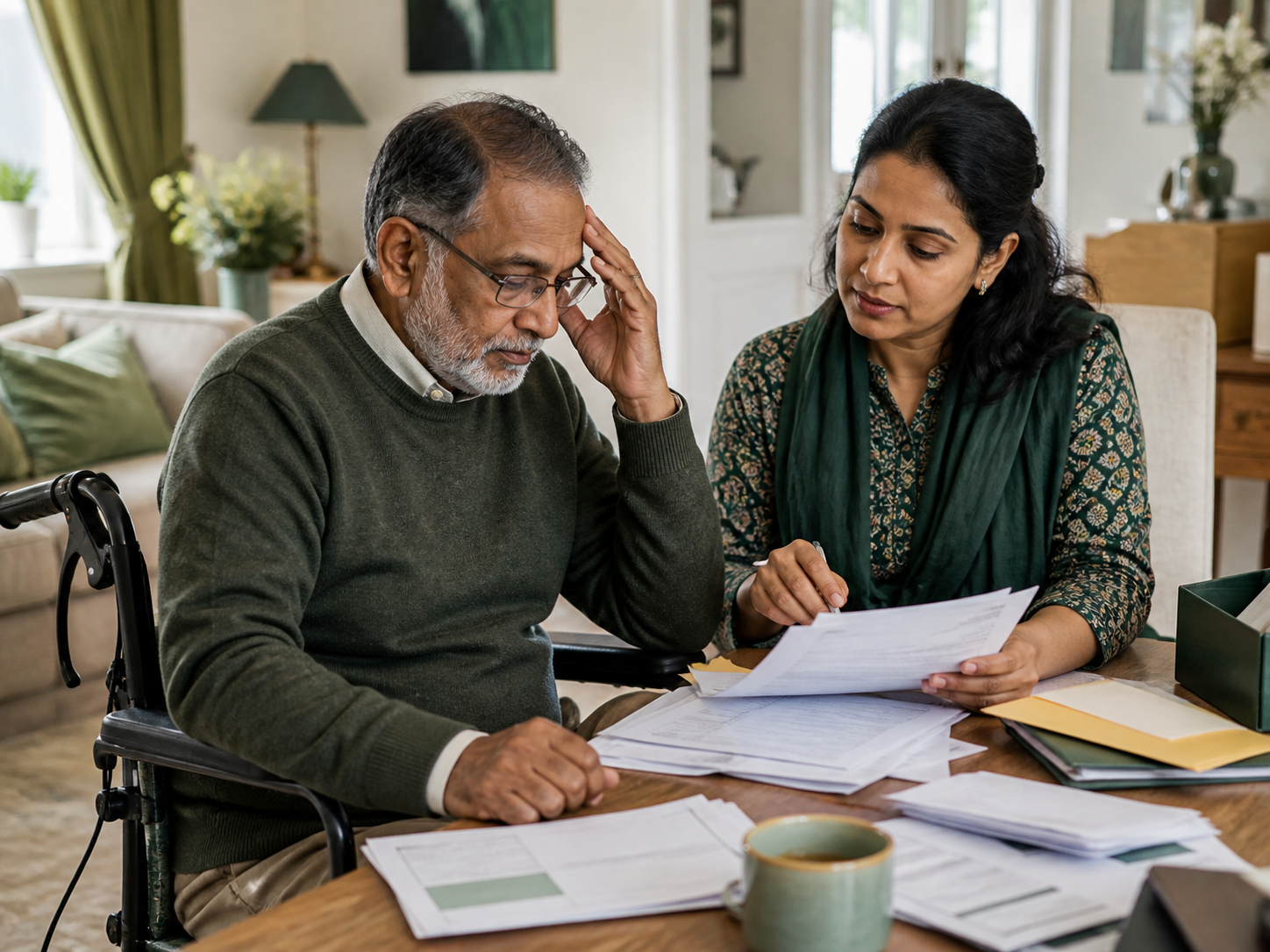
DISABLED DOES NOT MEAN UNABLE.
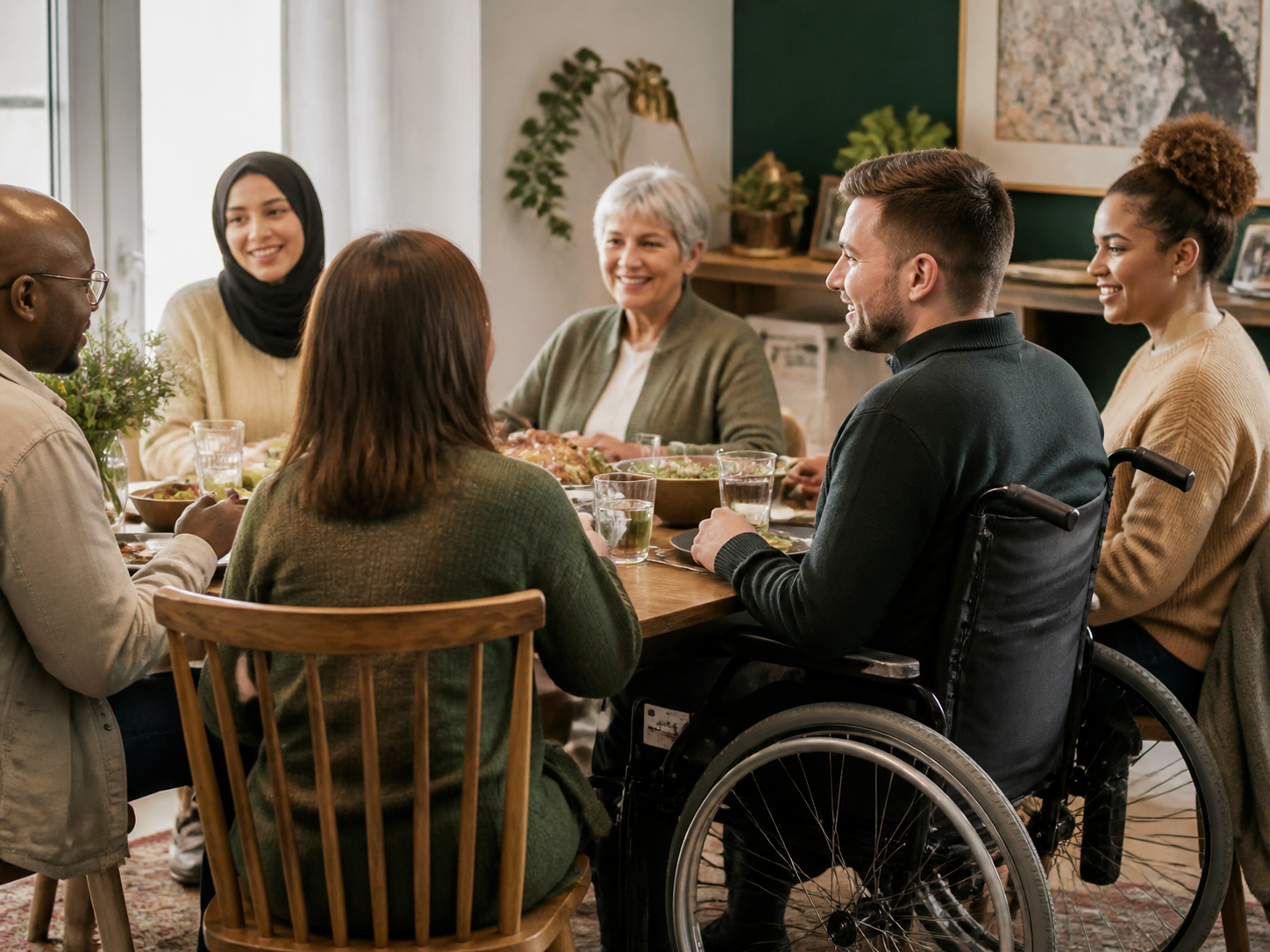
This deserves saying clearly. Disabled people should not be invited merely as recipients of A.D.D.'s support. They should be among its thinkers. Volunteers. Artists. Advisers. Contributors. Critics. Organisers. Creators. Leaders.
A person may require assistance travelling to a meeting and then become the most knowledgeable person inside that meeting. Somebody may need help reading a particular document and possess extraordinary emotional intelligence. Another may have limited physical mobility and unlimited imagination.
Do not mistake the assistance somebody needs for the measure of the ability they possess.
A.D.D. appreciates both. The difficulty. And the treasure behind it.
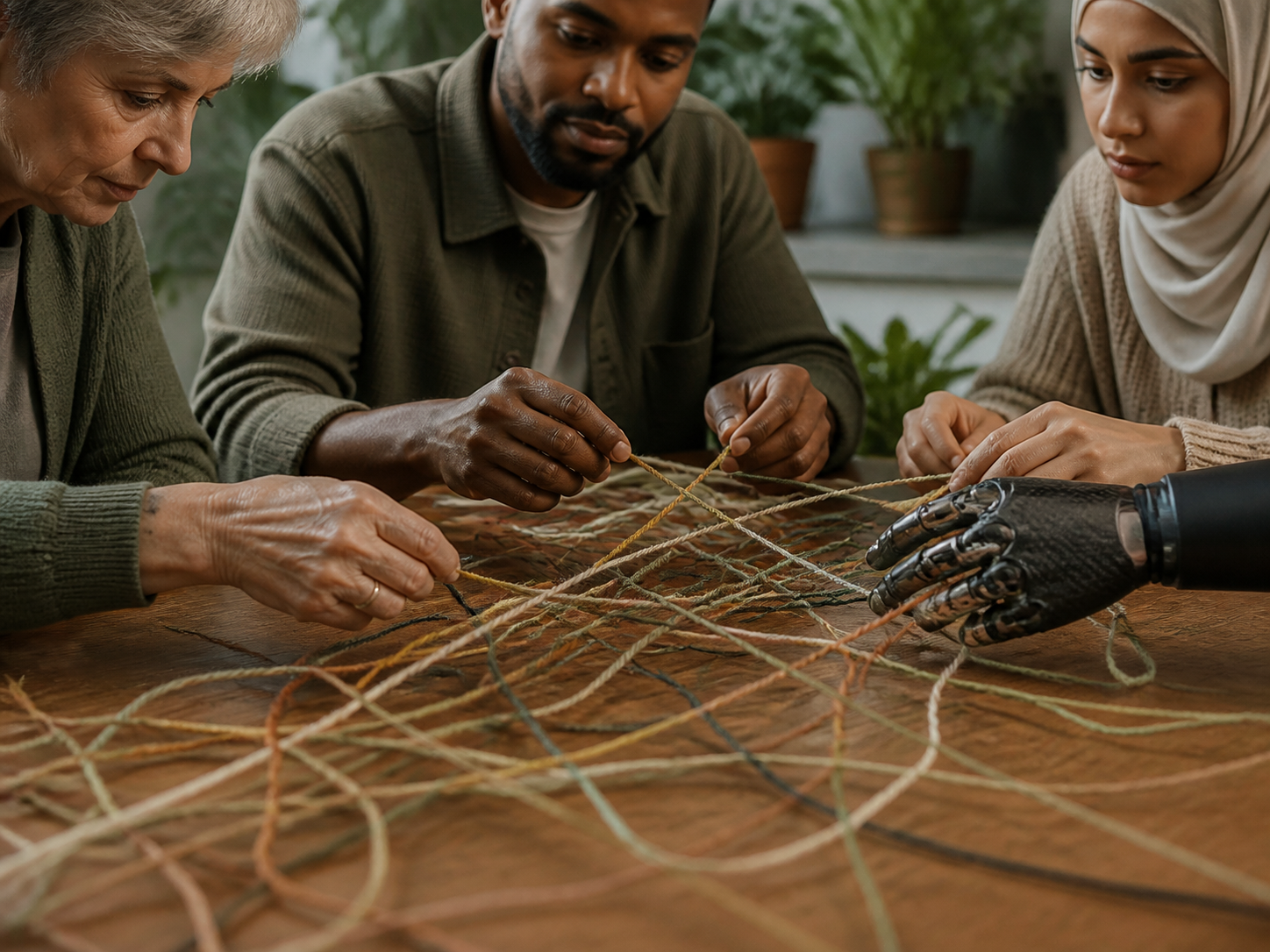
THE YOUNGER GENERATION HAS SOMETHING PARTICULARLY POWERFUL.
Many younger people have grown up inside the digital world.
What previous generations had to learn deliberately, they may do almost instinctively.
Online forms. Accounts. Apps. Scanning. Uploading. Video calls. Searching. Digital communication. These abilities may feel too ordinary to mention. They are not.
A young volunteer may spend half an hour helping a disabled or older person navigate an online process that has been causing days of worry. But this should never become:
young person teaches old person.
Human exchange is richer than that. The younger person may provide digital confidence. The older person may provide experience, memory, perspective, patience, professional knowledge or simply a story worth hearing.
One generation does not replace another.
They complete different sentences. That is community.
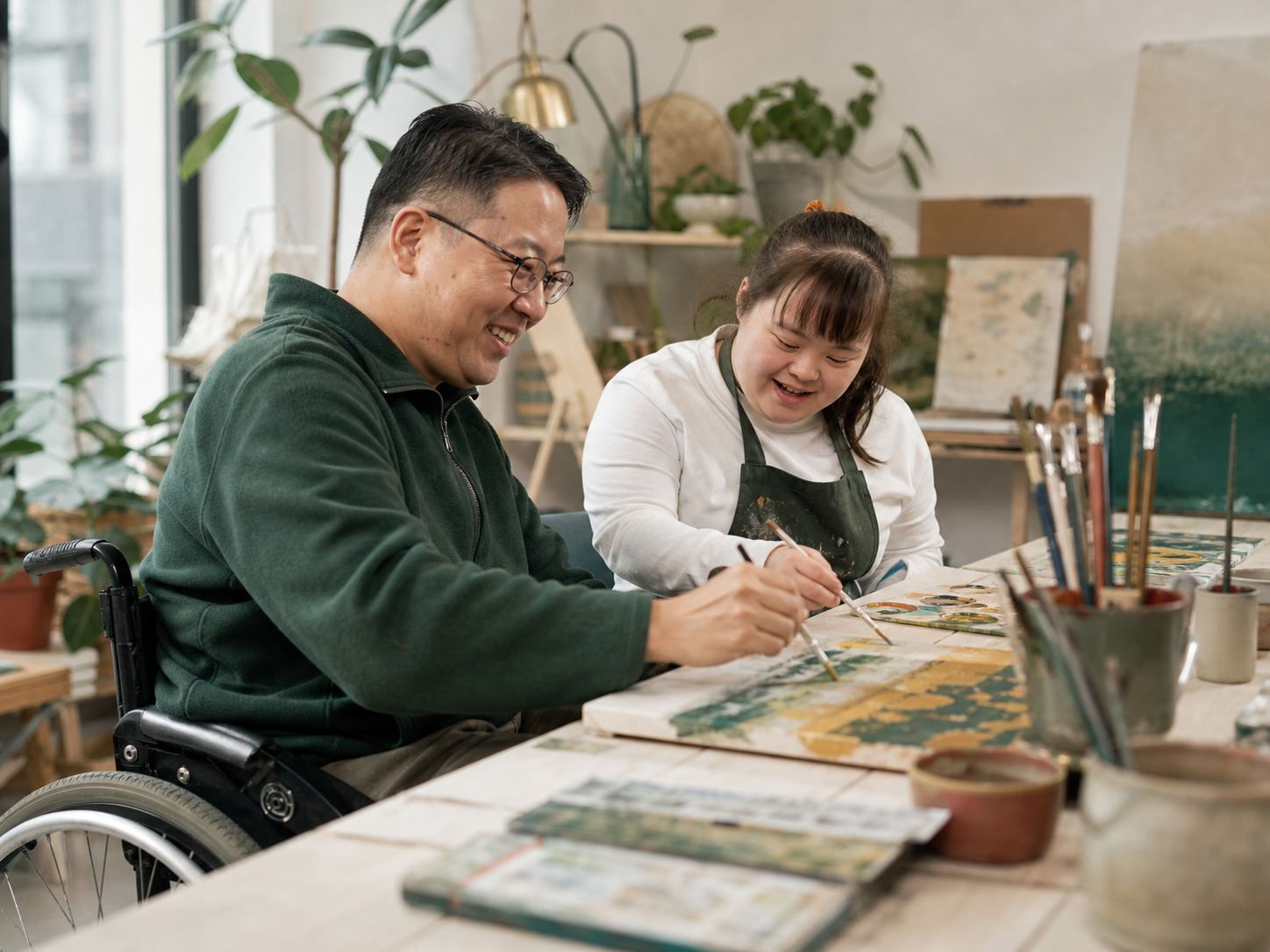
PROFESSIONALS, PERHAPS ONE HOUR.
You may be a solicitor. Doctor. Accountant. Teacher. Counsellor. Social worker. Journalist. IT professional. Designer. Musician. Engineer. Tradesperson. Academic. Benefits specialist. Housing professional. Business owner. Or retired from one of those worlds.
A.D.D. is not asking you to surrender your profession.
Nor should professional work that requires regulation, insurance or formal responsibility be casually reproduced through volunteering.
But perhaps there is something appropriate you can offer. An occasional hour. General information. Training for volunteers. A workshop. A referral relationship. A professional perspective. Help understanding where specialist intervention begins.
One hour of knowledge accumulated over twenty years can be an extraordinarily valuable hour.
Tell us what you can appropriately give. We can begin there.
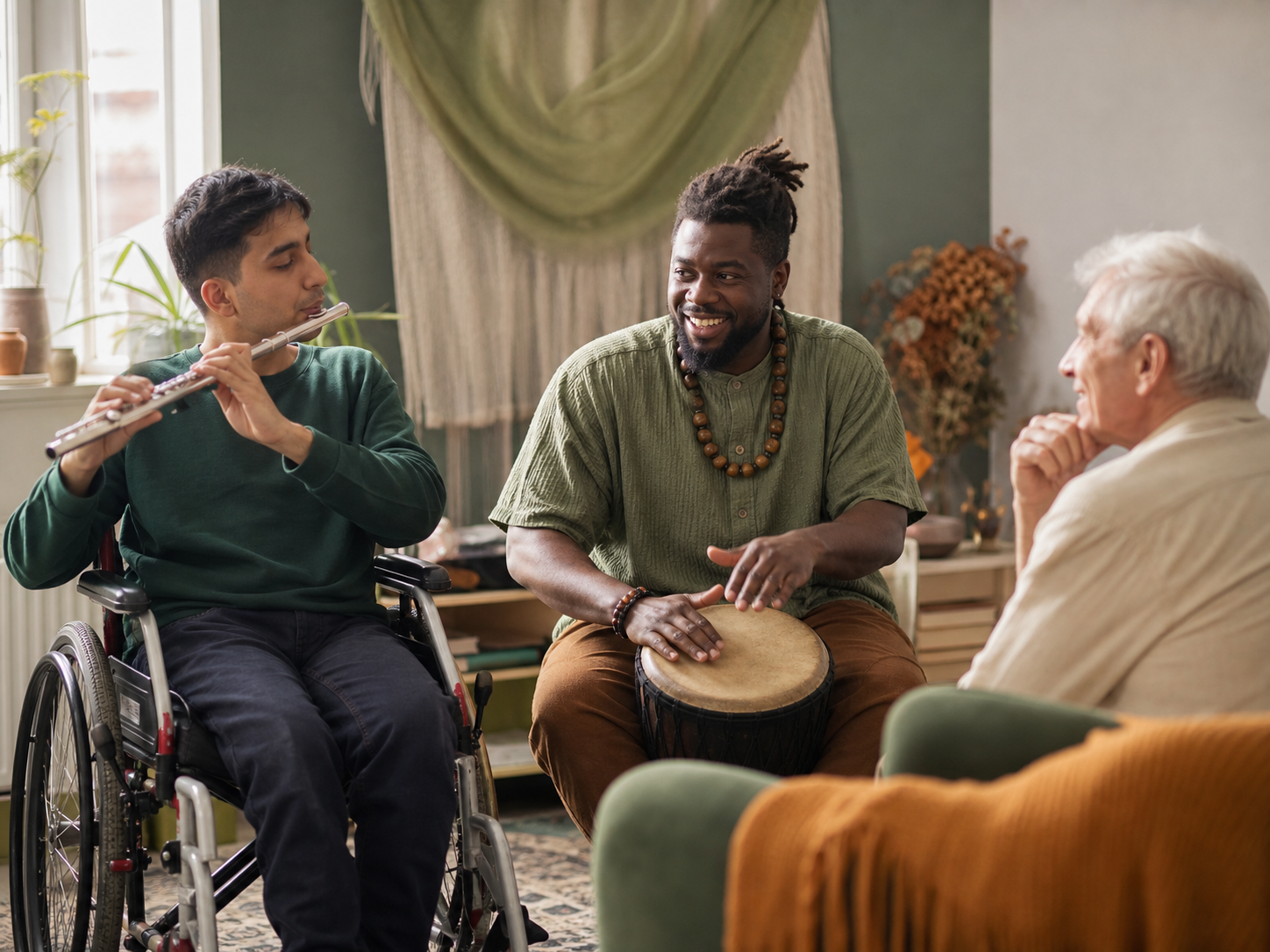
ARTISTS, MUSICIANS AND CREATORS.
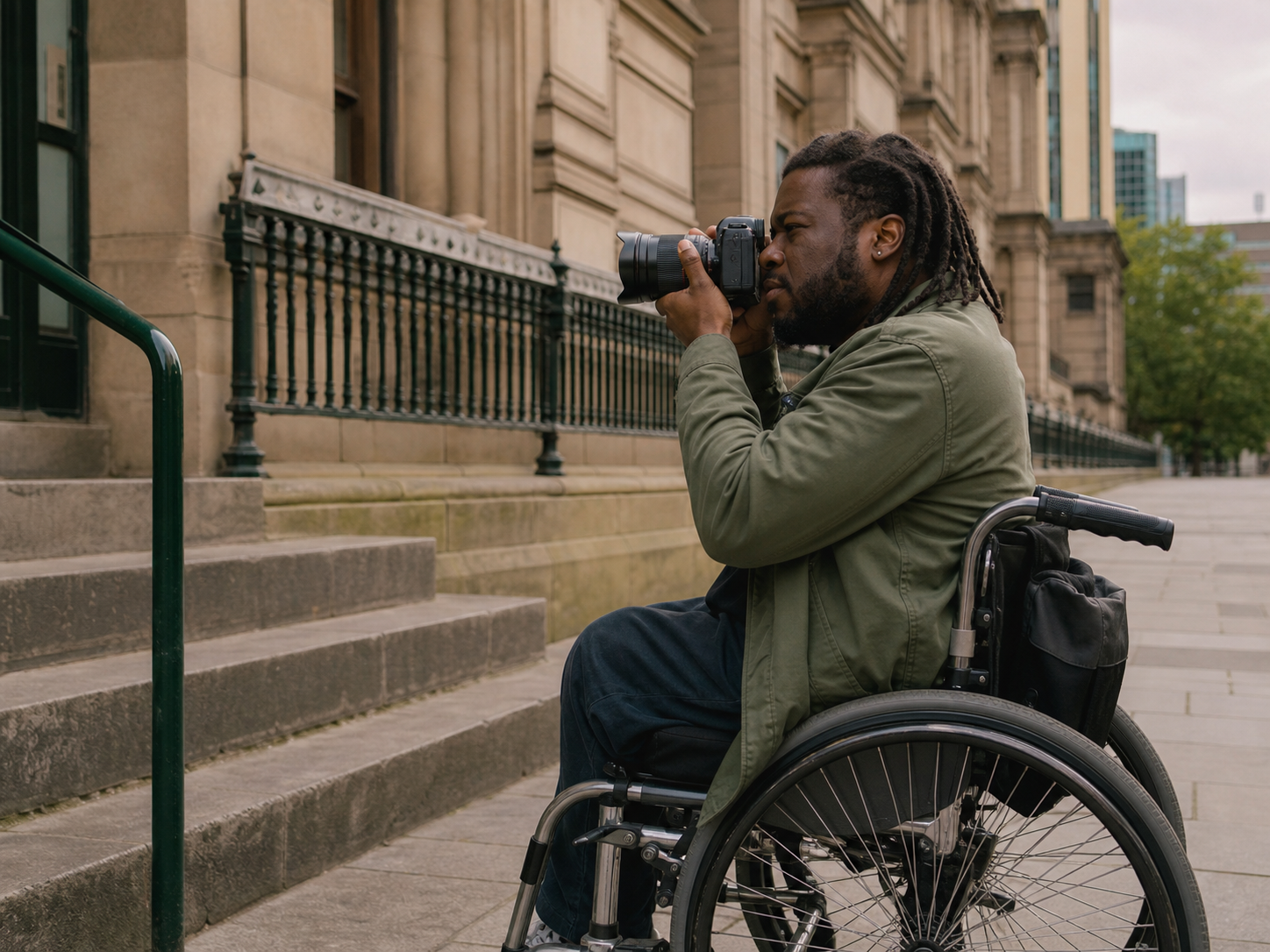
Perhaps what you carry cannot complete a form. Wonderful. Not everything valuable should. Bring your flute. Your guitar. Does your instrument need repair? Still come to A.D.D. Your voice. Your poetry. Your camera. Your painting. Your dance. Your story. Your digital art. Your comedy. Your craft.
Creativity can enter places where official language cannot.
A song will not solve a housing dispute. But it may remind the person living through one that they are more than the dispute.
Human beings need solutions.
They also need reasons to remain emotionally alive while waiting for solutions. A.D.D. has a place for both.
KINDNESS NEEDS BOUNDARIES TOO.
Helping does not mean surrendering yourself. You do not need to abolish your dreams or ignore your own duties.
A volunteer has a life. Family. Work. Health. Responsibilities. Limits. A.D.D. should never create another exhausted human being in the process of helping an exhausted human being.
Say honestly what you can offer. An hour a week? A month? Fine. Occasional digital help? Fine. Telephone support? Fine. Creative contribution? Fine. Professional knowledge within clear boundaries? Fine.
You are allowed to say, “I can do this, but I cannot do that.”
A boundary does not cancel kindness.
A healthy boundary can protect it.
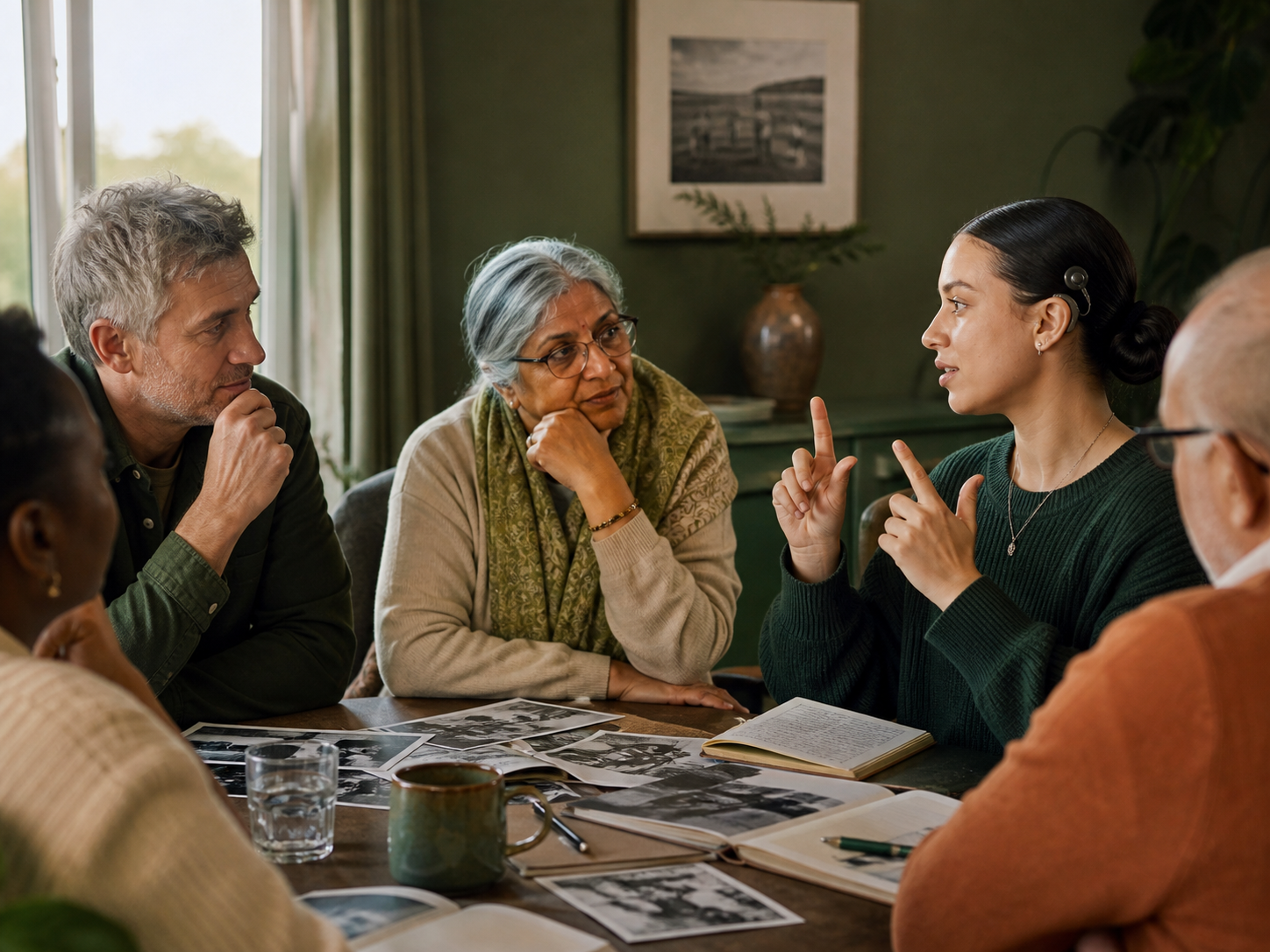
WE DO NOT NEED HEROES.
Heroism is dramatic. Humanity is often quiet. A.D.D. does not need somebody arriving to rescue everyone. We need people who are reliable.
Respectful. Patient. Honest. Able to listen. Able to recognise their limits. Able to say, “I don't know.” And willing to find somebody who might. The most useful volunteer may not be the person who promises the most.
It may be the person who quietly does what they promised.
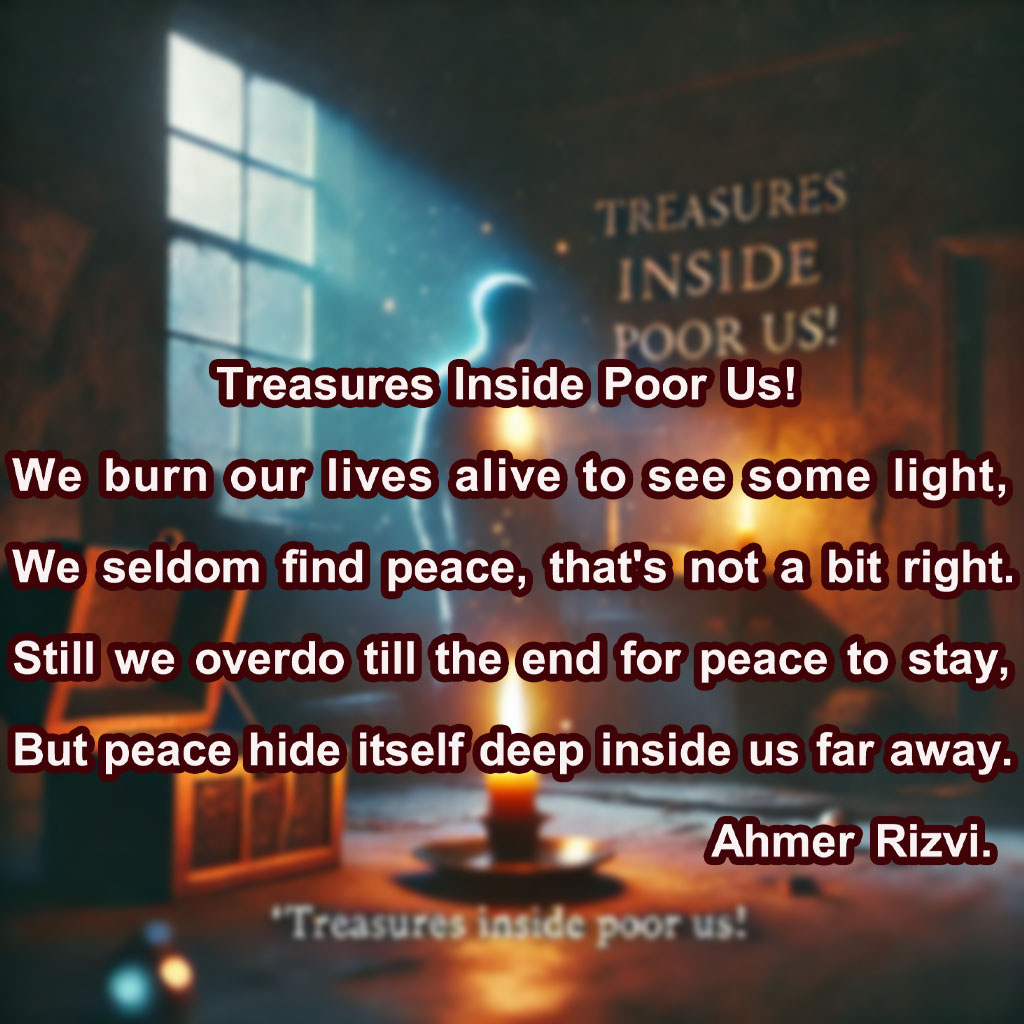
APPRECIATE THE PERSON WHO HELPS.
Volunteering should not become invisible labour. When somebody gives time, knowledge, patience or skill, appreciate it. Thank them. Not mechanically. Sincerely. Tell them when something they did helped. It made a difference. Ask how they are. Ask whether they themselves need anything.
A.D.D. cannot ask society to appreciate discriminated disabled people while failing to appreciate the people who help A.D.D. itself.
Gratitude should live inside the organisation before we ask it to live outside.
And wherever possible, appreciation should travel more than once.
Because:
“Thank you” is small. But thanklessness can make generosity very tired.
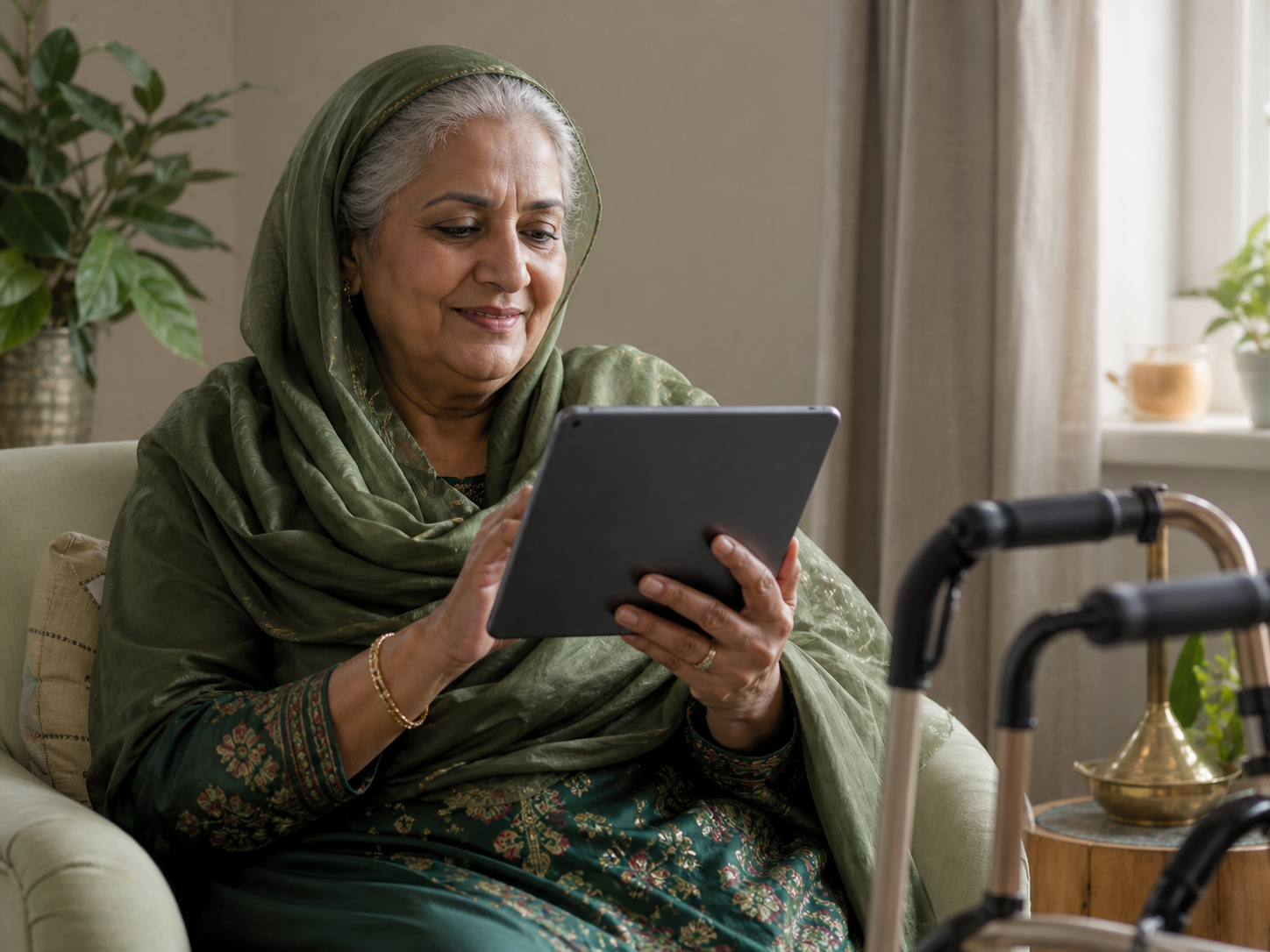
WHAT COULD YOU OFFER?
Perhaps:
Digital help: online accounts, basic forms, uploading documents, ordinary technology.
Communication: helping somebody prepare a telephone call or straightforward correspondence.
Languages: helping bridge ordinary communication where appropriate.
Practical support: accompanying, reading, organising or helping somebody access a service.
Professional knowledge, within appropriate ethical and regulatory boundaries.
Creative skills, music, poetry, visual art, photography, performance or workshops.
Community knowledge, knowing local services, venues and networks.
Listening and companionship, where appropriate and safely organised.
Training, helping A.D.D. volunteers become better at what they do.
Resources, accessible space, equipment, printing, technology or other practical support.
Or something we have not thought of.
Tell us what you carry.
We can consider where it may fit.
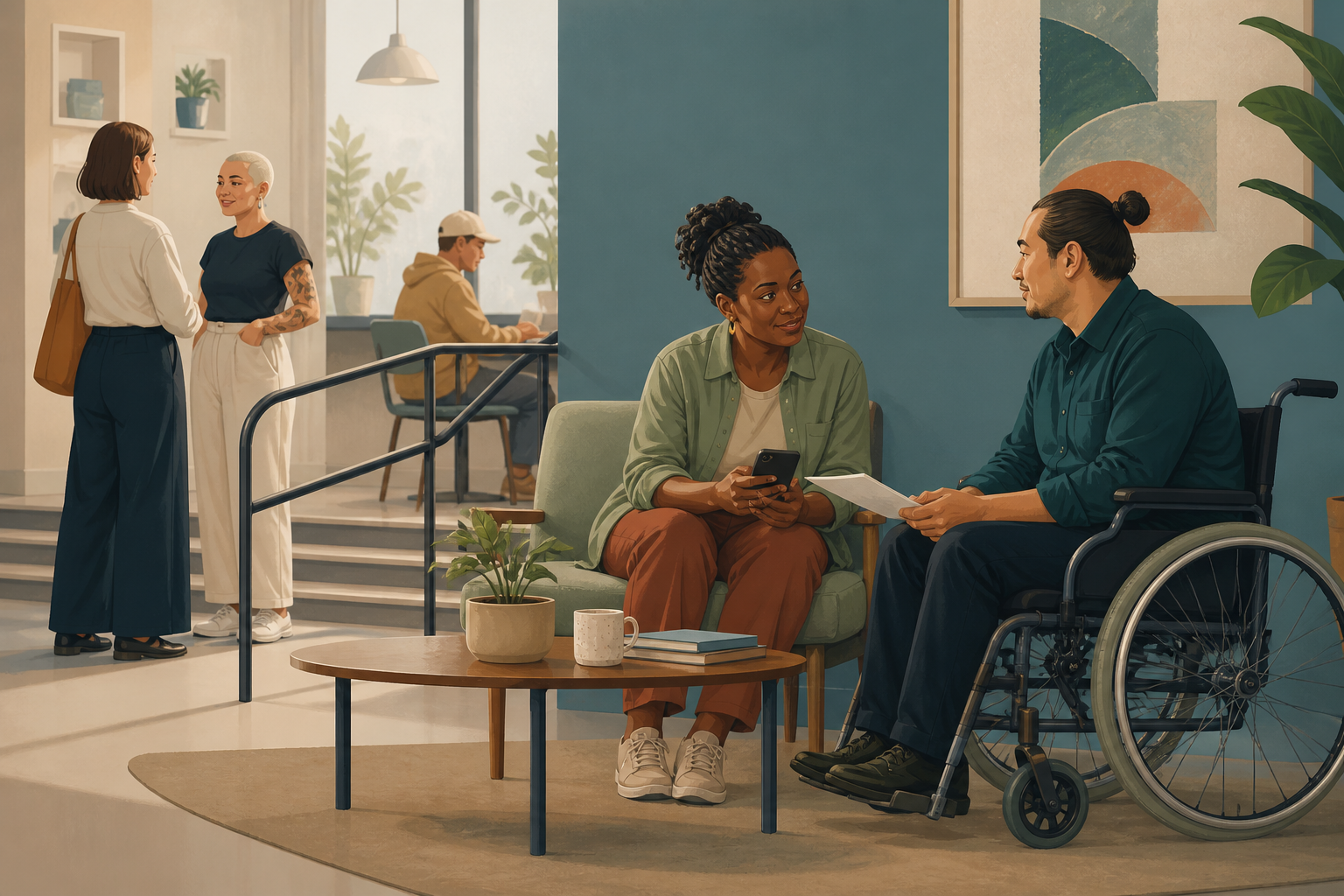
FROM MANCHESTER, ONE STEP AT A TIME.
A.D.D. began in Manchester and Greater Manchester. We are deliberately beginning locally. Not because need stops at the city boundary. It does not. But a young organisation should learn to walk before announcing that it can run around the world.
We want to understand what works best.
Build responsible relationships. Learn from mistakes. Develop safeguarding. Develop appropriate volunteer structures. Understand our capacity. And grow honestly.
Growth should follow usefulness, not ambition.
If something meaningful develops here, tomorrow will tell us where it can travel.
Today:
Manchester and Greater Manchester. One community. One network. One human connection at a time.
HOW A.D.D. CAN CONNECT PEOPLE.
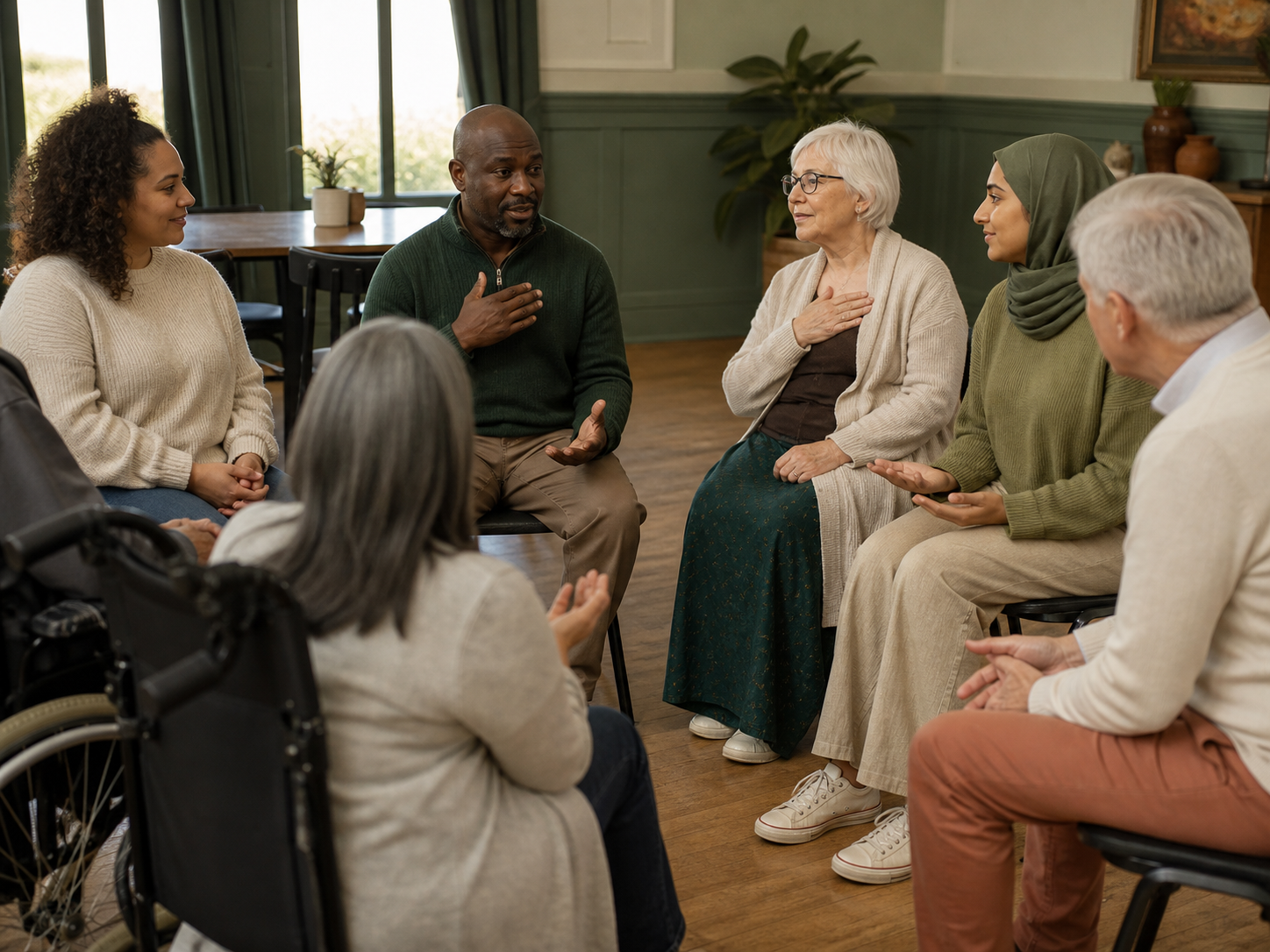
As the volunteer network develops, somebody may contact A.D.D. with a need that matches another person's appropriate skill.
For example:
A person needs basic digital help. A registered volunteer has offered digital support. With appropriate consent, safeguarding, boundaries and coordination, A.D.D. may help create that connection.
But we should not simply exchange two telephone numbers and disappear. Where appropriate, A.D.D. remains part of the process. Was the connection suitable? Did the person receive the intended help? Did the volunteer feel comfortable? Is anything further required?
Connection without responsibility can become another form of referral.
We want something better. A small network where people know that somebody remains interested in what happened after the introduction.
VOLUNTEERING SHOULD REDUCE DISABILITY and REPRODUCE ABILITY.
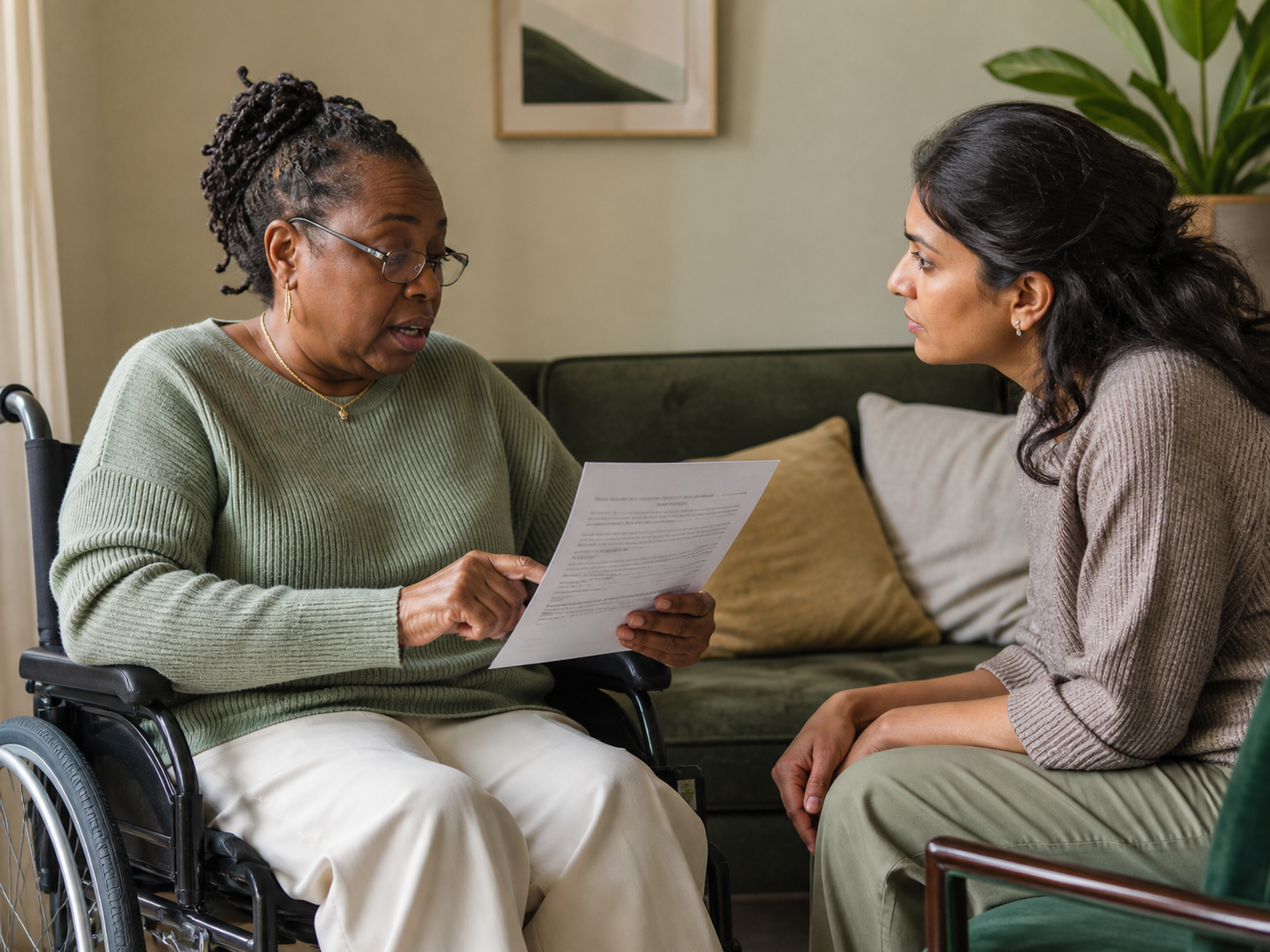
Suppose you help somebody create an online account. You could simply do it for them. Five minutes. Finished. Or, where possible, you could sit beside them. Explain. Let them click. Let them try. Let them make one harmless mistake. Show them how to correct it. Next time they may do it alone.
And perhaps the time after that they show somebody else. Then something remarkable has happened. You did not merely complete a task.
You reproduced ability.
One act of help has become two capable people. That is the kind of growth A.D.D. should seek. Not an ever-expanding queue of people dependent upon us. But an expanding circle of people increasingly able to help themselves and one another.
YOU MAY NEVER KNOW HOW FAR ONE SMALL ACT TRAVELS
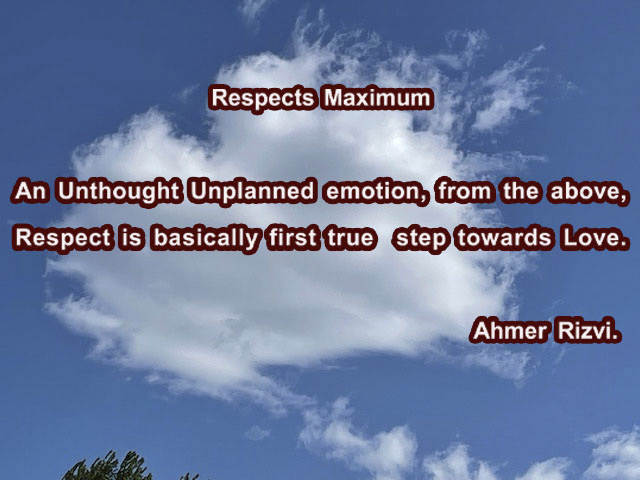
You help somebody. Their worry decreases. They sleep better. It helps reduce burden on NHS. Tomorrow they are more patient with their child. That child goes to school carrying less tension. Perhaps they are kinder to another child. We will never measure all of that. Nor should we pretend we can.
Human influence does not always issue receipts. But actions radiate. Understanding radiates. Respect radiates.
Hope can reproduce itself as it is the easiest crop. Courage can regenerate. One human being treated with dignity may carry some of that dignity into the next relationship.
Perhaps humanity travels further than the person who first released it will ever know.
SO, WHAT DO YOU HAVE?
Not:
How important are you? Not: How wealthy are you? Not: How many qualifications do you have? Not: How much free time can you promise? Simply:
What can you reasonably give?
Ten minutes? An hour? A skill? A language? Experience? A room? A lift? A melody? Knowledge? Patience? A listening ear? Perhaps you have spent years believing that what you know is ordinary. Somewhere nearby may be a person for whom it is exactly what is missing.
GET INVOLVED.
I CAN GIVE SOME TIME
Tell us realistically when and how much.
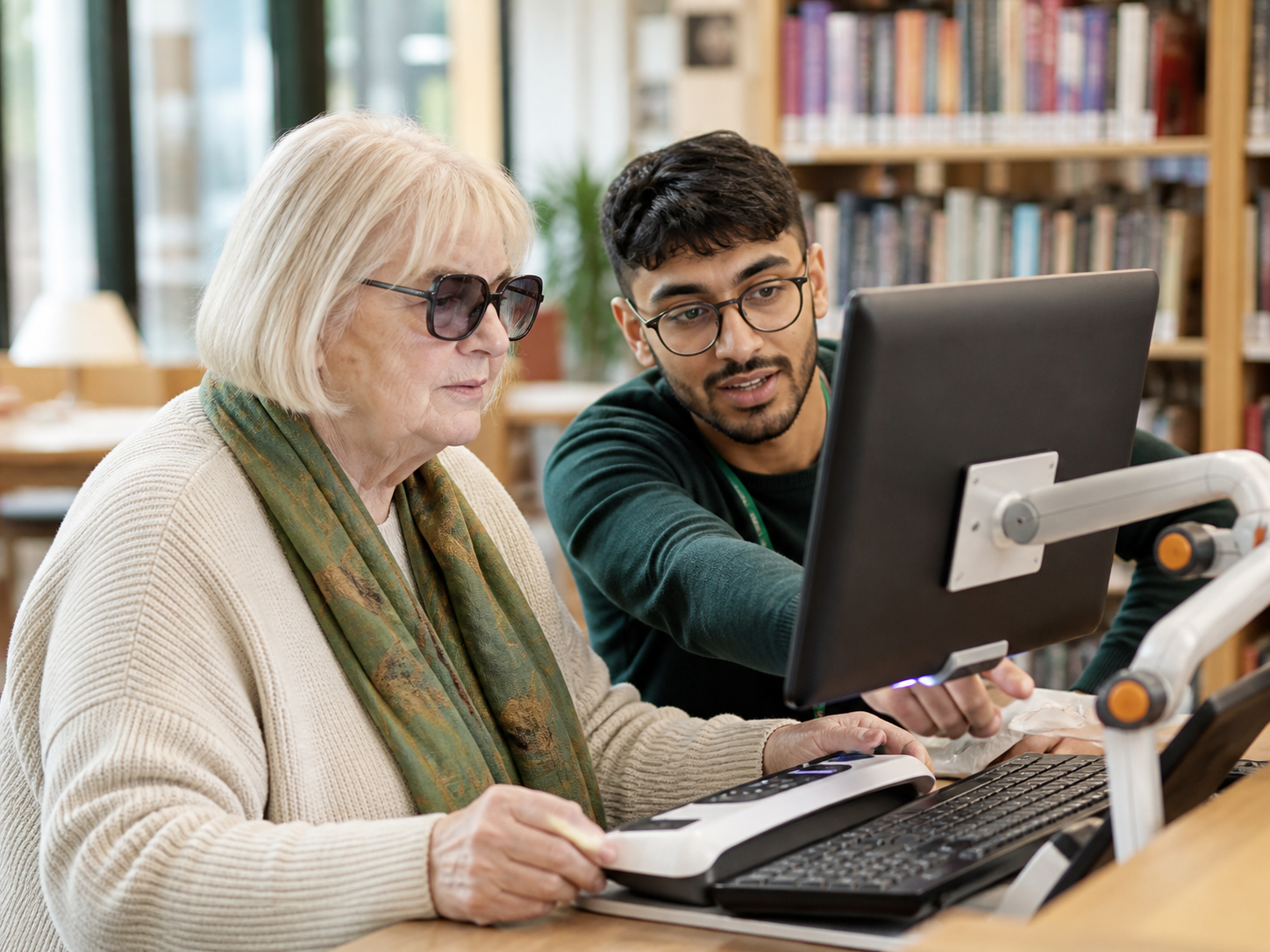
I HAVE A PRACTICAL OR DIGITAL SKILL
Tell us what you can comfortably help with.
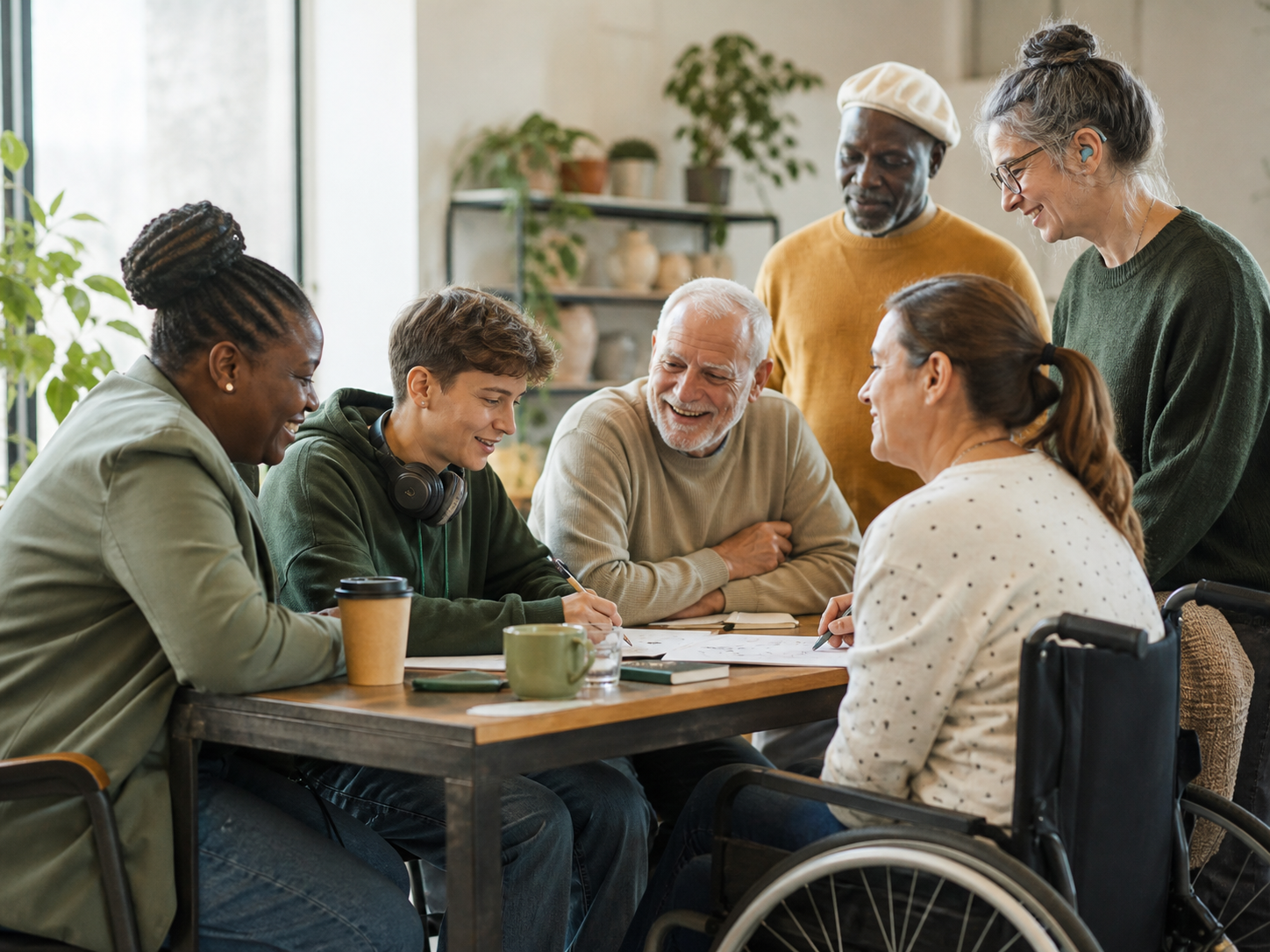
I HAVE PROFESSIONAL EXPERIENCE
Tell us what knowledge or appropriate support you may be able to offer.
I SPEAK ANOTHER LANGUAGE
Tell us which language and what kind of communication you could appropriately support.
I AM AN ARTIST OR CREATIVE
Bring your work, your instrument, your voice or your idea.
I CAN OFFER A RESOURCE
Space, equipment, transport, technology, printing or something else.
I'M NOT SURE, BUT I WANT TO HELP
That is enough for the first conversation.
YOU DO NOT HAVE TO SAVE THE WORLD
Eight billion people are too many for one pair of hands.
So forget eight billion for a moment.
Look closer. One street. One building. One neighbour. One student. One disabled person. One carer. One older person. One migrant. One lonely person. One human being. Perhaps that is enough.
You do not need to become extraordinary.
Sometimes you only need to make something ordinary inside you available to somebody else. And when their face becomes a little less worried, when their shoulders relax,
when something that frightened them yesterday becomes manageable today, perhaps you will receive something too. A reminder. Quietly. Unexpectedly.
Life is still beautiful.