

Equal Worth Does Not Mean Identical Need
A.D.D. begins with a simple belief:
Every human being has equal human worth. Every human has something to give.
But equal worth does not mean identical circumstances. And identical treatment does not always produce equality. Sometimes, treating everyone exactly the same is itself the reason one person is left behind.

THE DINNER THAT WAS “EQUAL” FOR EVERYONE.
Imagine ten people are invited to dinner. The host is generous. The table is full. Everyone is told, “Eat as much as you like.” Nobody is excluded. Nobody is given a smaller plate. Nobody is told they are less important. Everything appears equal. But almost all the food is heavily sweetened. One guest is severely diabetic. Now ask:
Was the provision truly equal?
The invitation was equal. The quantity was equal. The hospitality may even have been sincere. But the provision was not equally usable. For nine people, the table represented abundance. For one person, it represented exclusion. That is the difference between identical provision and meaningful equality. Equality cannot be judged only by what the provider offers. It must also be understood by asking:
Can this person actually use, access, receive and benefit from what has been provided?
That is where real consideration begins.
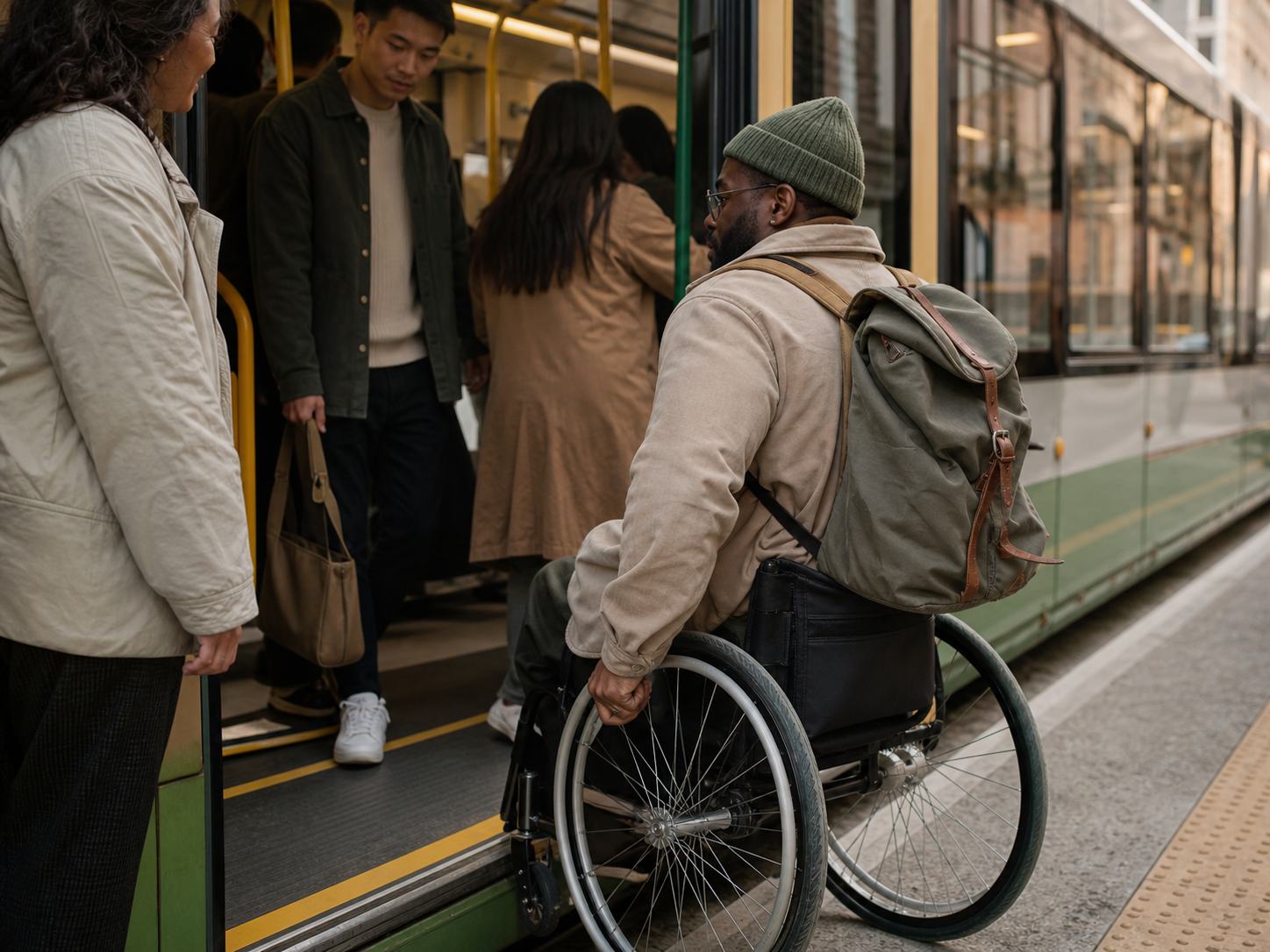
THE SAME STARTING LINE CAN STILL BE AN UNEQUAL RACE
Imagine ten wheelchair users entering a race. All ten are placed on the same starting line. The whistle blows at exactly the same moment. Nobody is given a head start. Everything looks fair. But two wheelchairs have misaligned wheels. Their users must spend part of their energy simply keeping the chairs moving straight. Now ask:
Is the race equal because the starting line was equal?
Of course not.
Those two participants are using strength merely to reach the same functional position the others already have. This happens every day outside sport. Some people spend enormous physical, emotional or cognitive energy simply reaching the point from which everybody else is expected to begin.
And then society says, “Now compete.” By then, they may already be exhausted.
Equality at the start does not erase inequality in the journey.

WHY “DISABLED FIRST”?
A.D.D. stands for:
Appreciate Discriminated Disabled.
Our philosophy has grown wider. It speaks about humanity.
Neighborhoods. Students. Migrants. Carers. Artists. Workers. Lonely people. Volunteers. But we must never become so broad that we forget where we began.
Disabled First.
Not first in human value. Nobody is second in human value. Not first because disabled people deserve pity. Not first because they are weaker. Not first because they should be permanently dependent.
First because existing barriers may already demand more effort simply to reach the ordinary starting point.
Priority is not pity.
It is practical fairness.
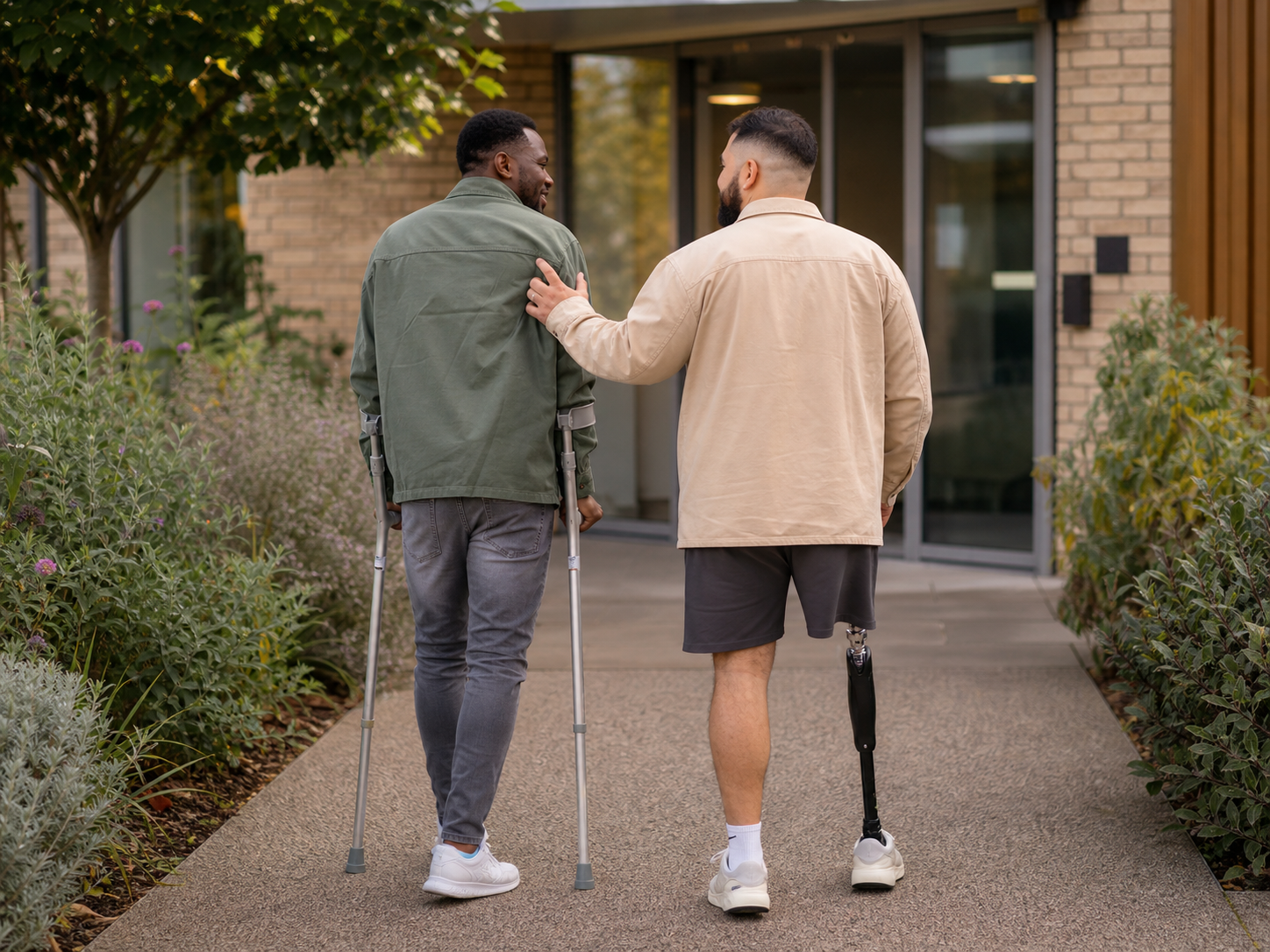
DISABILITY IS NOT ALWAYS VISIBLE
Not every disability arrives with a wheelchair. Not every illness arrives with a walking stick. Not every exhausted mind looks exhausted. Not every person in pain shows it. Not every frightened person trembles.
Not every cognitive difficulty becomes obvious in a ten-minute conversation. Not every communication difficulty means lack of understanding.
Not every person who says, “I'm fine” is fine. Many people learn to mask pain. To smile. To continue. To appear normal because life does not stop long enough to allow them to explain.
A.D.D. therefore asks:
Do not demand a performance of suffering before offering consideration.
Listen. Allow time. Ask. Be considerably patient. Notice. And accept that a difficulty may be real even when it is invisible to you.

DISABILITY DOES NOT ERASE ABILITY
A person may need help in one area of life and possess extraordinary ability in another.
Someone may struggle with digital forms and write beautiful poetry. Someone may use a wheelchair and be the strongest thinker in the room. Someone may have speech difficulties and create magnificent music. Someone may need social care and still be the person everybody else turns to emotionally. Someone may experience anxiety and still have great courage. Someone may forget appointments and remember every verse of a poem written fifty years ago.
Difficulty does not cancel dignity.
Disability does not null ability.
And receiving support in one area does not reduce the whole person to a recipient. A.D.D. wants to see the complete human being.

WHEN SOCIETY MAGNIFIES DISABILITY.
There is a difference between a person's condition and the barriers placed around that person. A mobility difficulty may be manageable, until the only entrance has steps. A memory difficulty may be manageable, until a system depends on multiple passwords, deadlines and verification codes. A communication difficulty may be manageable, until patience and stamina disappear from the conversation. Fatigue may be manageable, until everything must be done at one fixed time, in one fixed way. A sensory difficulty may be manageable, until the environment becomes unnecessarily loud or overwhelming. A student may be capable of studying, until promised support disappears and administrative confusion becomes another subject they are expected to pass.
Sometimes society does not create the impairment.
But society can create much of the disability around it.
That is why adjustment matters.
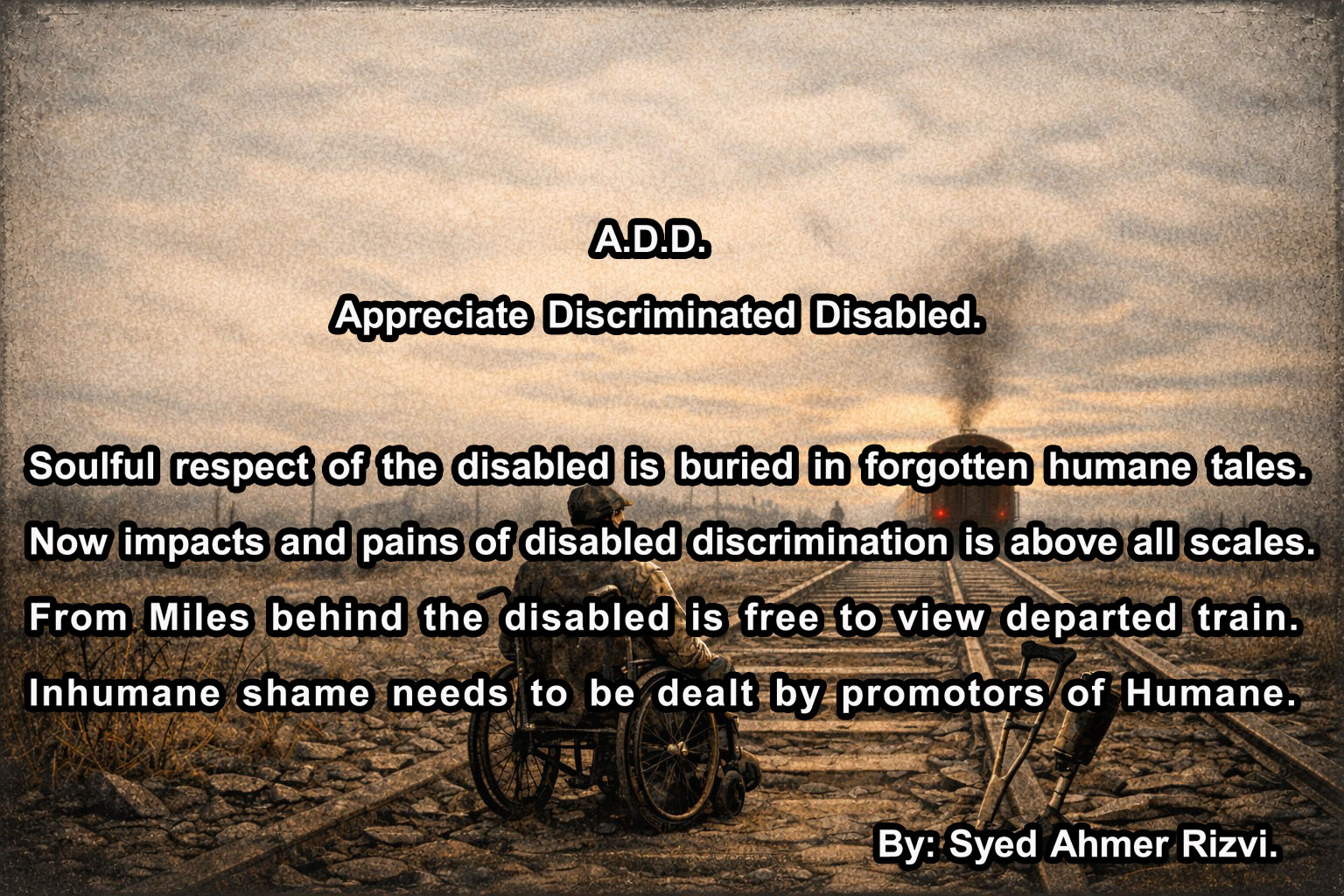
THE TRAIN LEFT AT THE SAME TIME FOR EVERYBODY
Imagine someone walking with a crutch. One step. Then the crutch. Another step. Then the crutch. It is raining. The station is unfamiliar. It is their first journey in that area. The pavement is slippery. A crossing takes longer than expected. A wrong turn costs several minutes. Eventually they reach the platform. The train has left. Two minutes ago. The timetable was the same for everybody. The train departed exactly as scheduled. So should the whole conclusion be:
“You were late”? Or should humanity be capable of understanding the journey that happened before the platform?
A clock can measure time. It cannot measure pain. A timetable can record departure. It cannot record fatigue. A policy can state the rule. It cannot always record the human effort required to reach it. This does not mean every train must wait indefinitely. It means:
Systems should recognise human reality, and the people operating them should retain enough humanity to understand it.

ATTITUDE CAN BECOME A BARRIER.
Sometimes the barrier is not the building. Not the form. Not the website. Not the timetable. Sometimes it is a person. A tone.
An impatient face. A dismissive response. A member of staff having a difficult day and allowing that frustration to travel downwards towards somebody less able to challenge it.
A disabled person should not become the emotional dumping ground for somebody else's stress. A title. Uniform. Desk. Counter. Office. Classroom. Screen. None of these remove the obligation to remain human.
Personal frustration must never become another person's institutional barrier.
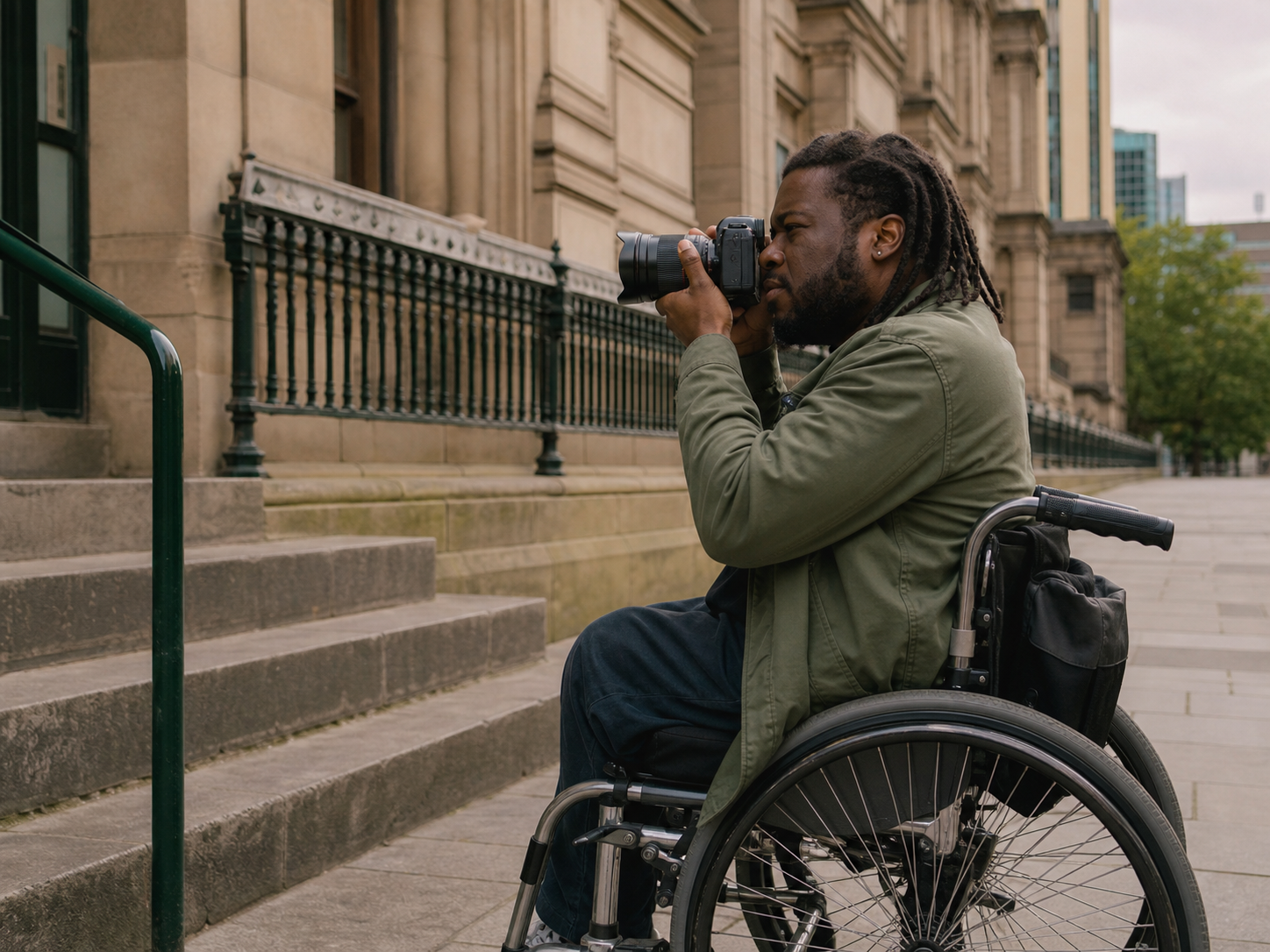
DO NOT PITY ME, APPRECIATE ME.
Pity can look downward.
A.D.D. wants people to look towards one another.
A disabled person may need help with one task and still possess more knowledge, creativity, patience, humour or wisdom than the person helping them.
Support should not shrink the person receiving it. It should not say:
“You are helpless.” It should say:
“This part is difficult. Let us deal with this part.”
And then look again. What can this person do? What do they know? What do they create? What do they contribute? What experience do they carry? What ability has society failed to notice because disability became the first thing it saw?
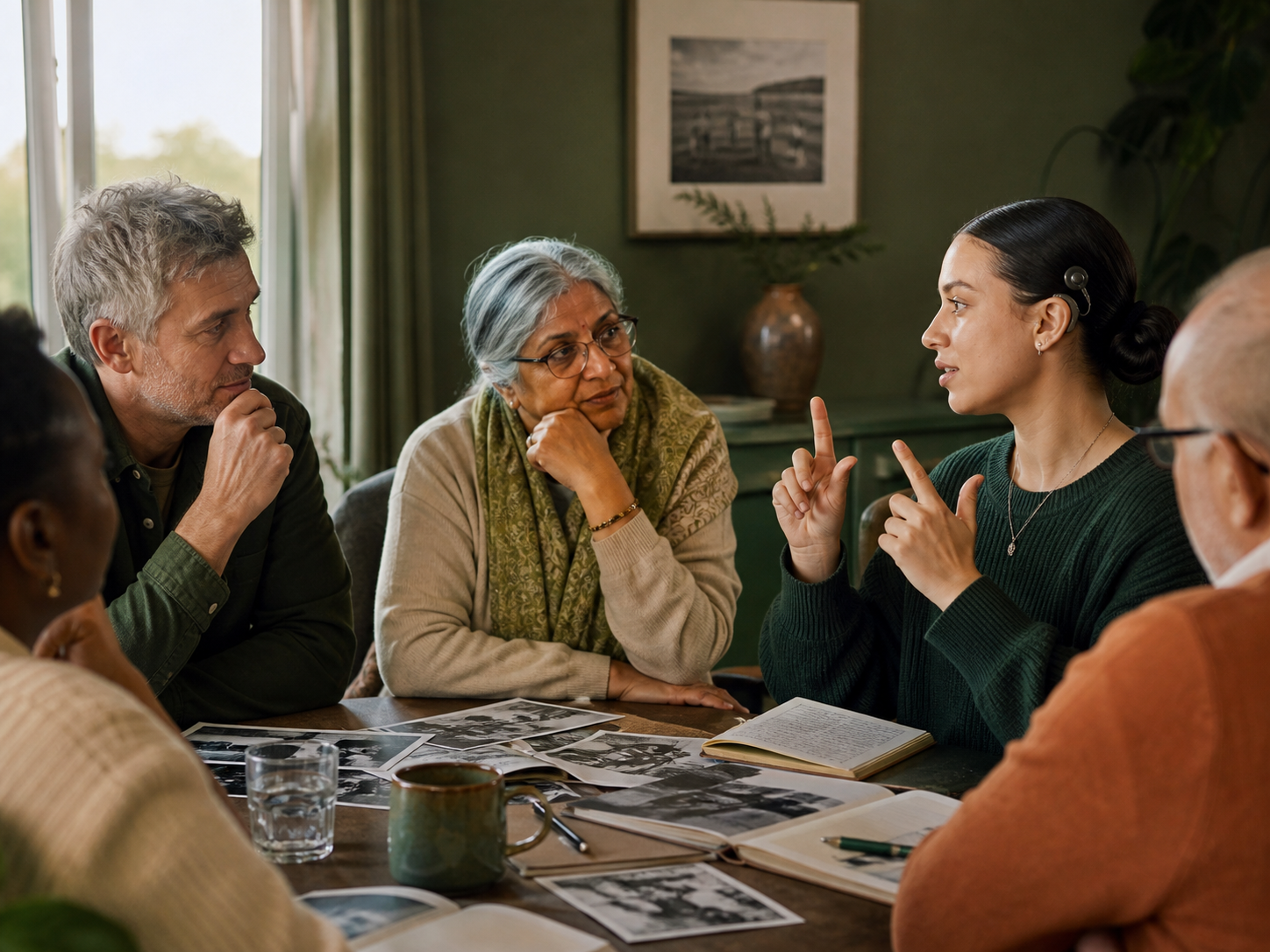
A.D.D. does not want disabled people merely tolerated. Nor merely accommodated. Nor merely included.
We want them appreciated.
FROM TOLERANCE TO APPRECIATION.
Tolerance may say, “You may remain.” Accommodation may say,
“We will make some room.” Inclusion may say, “You may participate.”
Appreciation says,
“Your presence has value.”
That is a deeper step.
A.D.D. wants disabled people recognized not only for what support they require, but for what they bring.
Their knowledge. Experience. Creativity. Memory. Humour. Resilience. Professional ability. Community contribution. Music. Art. Thought. Care. Their humanity.
Appreciation restores dimensions that labels flatten.

DISCRIMINATION DOES NOT ALWAYS SHOUT.
Sometimes discrimination is obvious. An insult. A refusal. A deliberately closed door. A deliberate alteration by a private university employee, in student records to dump personal stress grudge.
But often exclusions are quieter. Visibly invisible and targeted exclusion. The meeting is held somewhere inaccessible. The information is supplied in a format the person cannot use. An adjustment is promised and forgotten. The same disability must be explained repeatedly.
A deadline remains rigid despite known circumstances. An exhausted person is treated as careless. A distressed person is labelled difficult. A confused person is treated as unintelligent. A quiet person is assumed to have nothing to say.
Nobody may ever say: “You are not welcome.”
The door simply never opens.
And the person remains outside.

TAILORED SUPPORT IS NOT FAVOURITISM.
One person needs more time. Another needs a quiet environment. Another needs help reading correspondence. Another needs accessible transport. Another needs a different communication method. Another needs digital support. Another needs somebody to attend an appointment. Another may need no assistance at all. The goal is not to make one person's life easier than everybody else's.
The goal is to remove an unnecessary barrier that prevents them from using the ability they already possess.
Different help. Equal dignity.
That is not unfairness. That is fairness responding to reality.

REASONABLE ADJUSTMENT IS NOT A GIFT
Where a disabled person requires an appropriate adjustment, we should be careful about the language we use. The adjustment is not necessarily generosity. It is not a favour for which the person should feel permanently grateful. It is often what allows them to access (still with effort) what others can already access without asking.
A seat for somebody who cannot stand for long. More time where processing is affected. An empathetic listener customer service advisor. A different communication format. An accessible route. A quieter environment. Practical digital support. These are not attempts to give disabled people an advantage.
They are attempts to prevent disadvantages from becoming destiny.

THE PERSON KNOWS SOMETHING ABOUT THEIR OWN LIFE.
Professionals matter. Expertise matters. Assessment matters. Evidence matters. But the person living the disability also possesses evidence:
Their own experience.
They know what happens after the appointment ends. They know what the journey costs. They know what a sleepless night does to tomorrow and what sleepless years leave behind. They know which adjustment genuinely helps and which looks useful only on paper. They know when an apparently small task consumes most of their available energy.
That is why A.D.D. believes:
Nothing About Me Without Me.
Do not merely design support around a person. Ask them. Listen. Check whether the proposed help actually helps. Because even sincere support can miss the real need.
DISABILITY AND DIGNITY
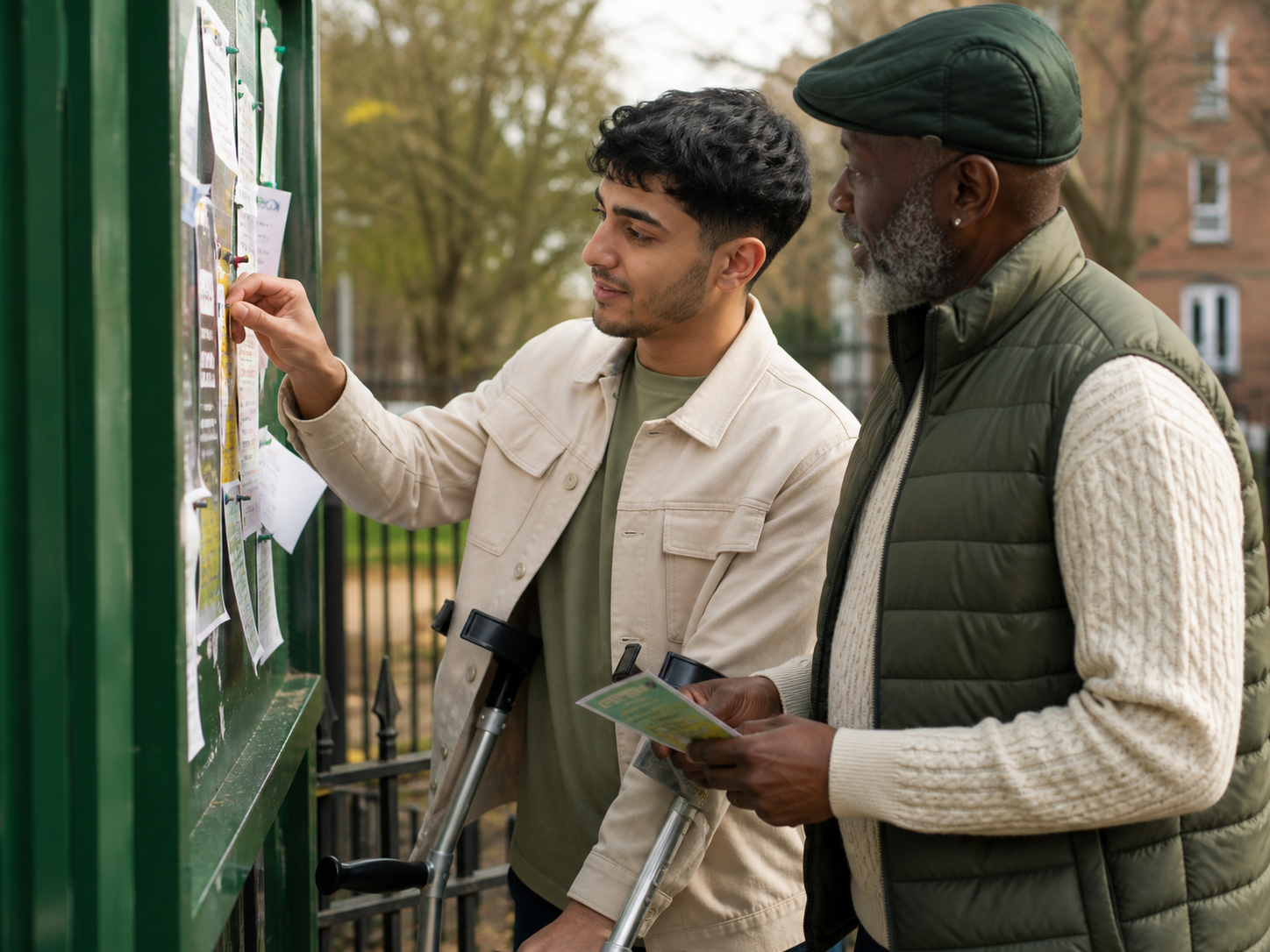
There is a danger in helping somebody that we unintentionally take something from them. Choice. Privacy. Independence. Confidence. Voice. People can become so focused on protection that they stop recognising autonomy.
A.D.D. believes dignity must remain present throughout support.
Ask before acting. Explain. Seek consent. Allow choice. Respect refusal. Support independence where possible.
Do not rescue somebody from one barrier by creating another around their freedom.
DISABLED PEOPLE ARE NOT A SINGLE TYPE OF PERSON.
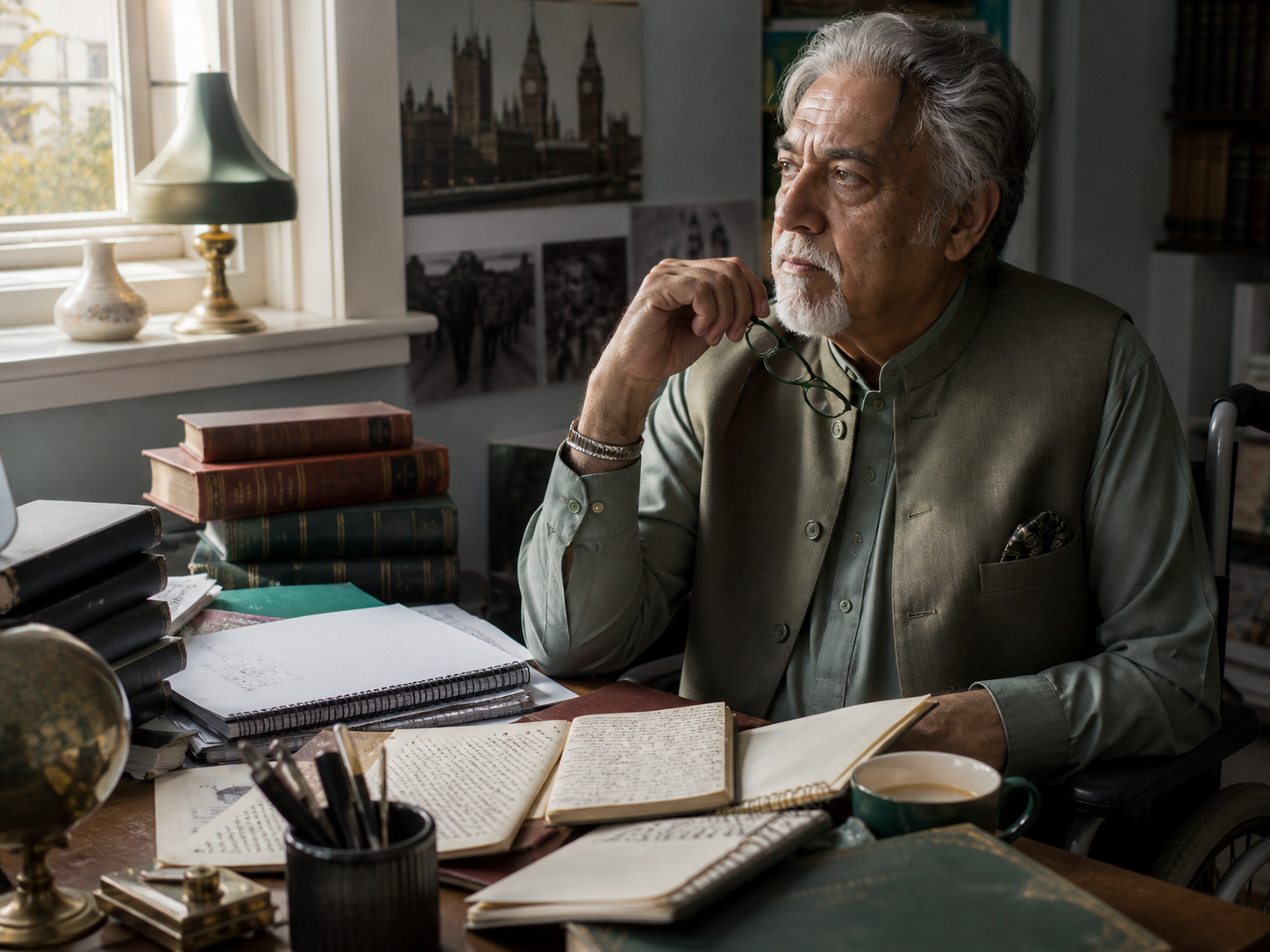
There is no single disabled personality. Disabled people can be:
Kind, difficult, funny, serious, creative boring, brilliant ordinary, patient, impatient, successful, struggling, generous, selfish, political, apolitical, religious, non-religious, young, old, rich, poor.
In other words:
Disability should never be used to romanticize somebody. Nor to diminish them.
A.D.D. is not asking society to worship disabled people. We are asking society to stop reducing them.
THE COST OF REPEATED EXPLANATION
There is another burden that is easy to overlook.
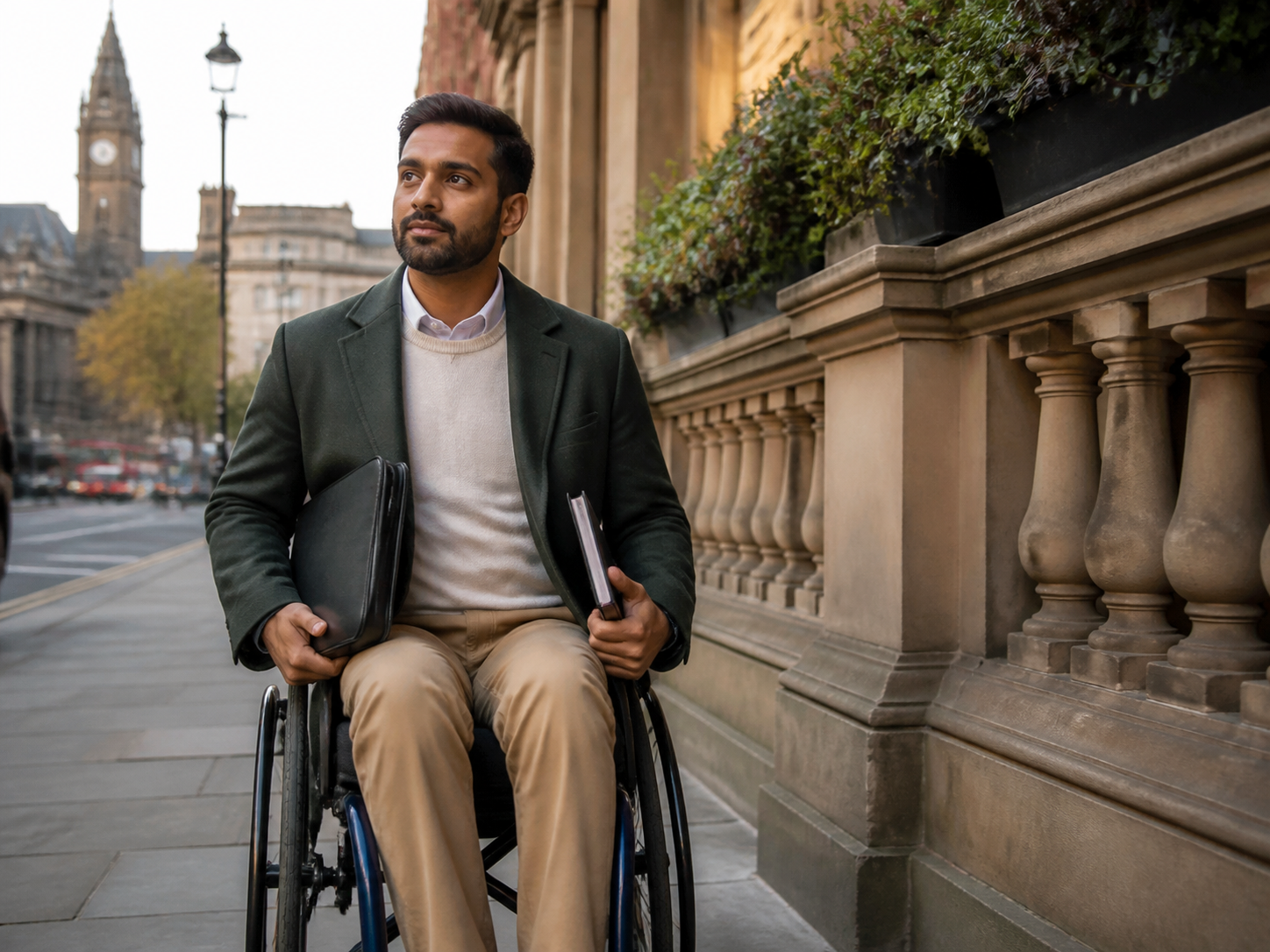
Having to explain yourself repeatedly.
Has someone ever imagined the explainer and the one on the other chair, both know their positions and the outcome and impact of the decision on applicant in both cases. How would an applicant feel while explaining his problem to a young personal whose attention is more attracted to the buzz of phone in his pocket? It has never been easy in a system based on “everything about me without me”. It is not a comfortable performance to;
Explain the diagnosis.
Explain how does fibromyalgia, IHD, arthritis, extra rib, COPD, Asthma, inflation affect you? Explain the limitations. Explain why today differs from yesterday. Explain why something easy for somebody else is difficult for you. Explain why you need an adjustment. Explain again to another department. And again. And again.
Eventually the explanation itself becomes exhausting. The applicant in need of support feels constantly explaining something already well explained and established fact during the pause between two explanations.
A.D.D. believes good systems should remember where appropriate. Good organisations should communicate internally.
And good human beings should not force somebody to repeatedly prove a reality that has already been reasonably established.
The person should not have to perform their disability indefinitely in order to keep receiving consideration and /or support.
DISABLED FIRST DOES NOT MEAN DISABLED ONLY.
This distinction matters enormously.
A.D.D. began with disabled people because disability teaches us everything about fairness and empathy:
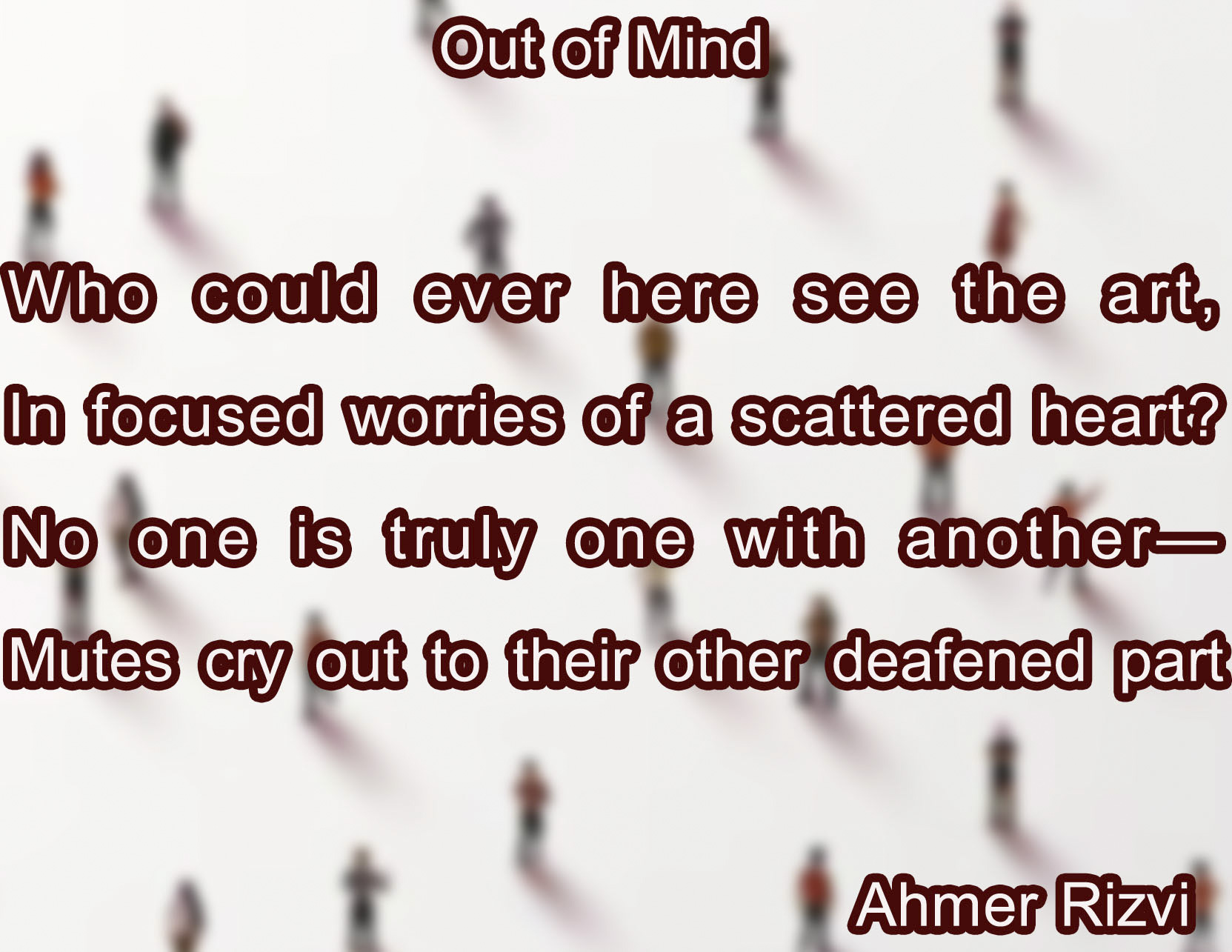
people begin from different positions. Once we learn that lesson properly, our understanding agrees to understand the real scope of humane horizons. The older person locked outside a digital service. The migrant unfamiliar with a system. The student overwhelmed by administration. The carer carrying too much. The worker with little bargaining power. The artist whose creativity has been suffocated by stress by anti-social neighborhood. The lonely person who can no longer find the confidence to approach others.
They are not identical experiences. We should never pretend they are. But learning to see barriers around disability can train the human eye to notice barriers elsewhere.
Disabled First. Humanity Everywhere.

A FAIR SOCIETY DOES NOT ASK ONLY: “WAS THE RULE THE SAME?”
It asks:
Was the opportunity genuinely accessible?
Was the person's situation reasonably understood? Was an avoidable barrier removed? Was dignity protected? Was the person heard? Was suitable adjustment considered?
Did equal treatment create an unequal result?
These questions do not weaken fairness or justice. They deepen it.
Because justice without context can become mechanical.
And mechanical or digital justice can still crush a human being while insisting that everybody was treated exactly the same.

THE POLITICS OF DIGNITY.
Disability is not only a personal matter. It is also social. Economic.
Political. Architectural. Administrative. Cultural. There has been a culture in the history where children born with deformities were killed at their birth. (Plato and Aristotle both advocated the law against it.)
Decisions about transport, housing, healthcare, education, employment, public space, welfare and technology shape how independently disabled people can live.
That makes disability a question not merely of kindness, but of citizenship. A civilized society should not ask disabled people to be endlessly grateful for being allowed to participate.
Participation is not a favour.
Dignity is not a charitable gift. Access is not applause-worthy merely because somebody finally remembered to provide it.
The deeper political question is:
Who was imagined when the system was designed?
If the answer repeatedly excludes disabled bodies, disabled minds or disabled ways of communicating, then the problem is not only individual.
EQUALITY SHOULD NOT REQUIRE EXTRAORDINARY STRENGTH FROM THE PERSON ALREADY CARRYING MORE.
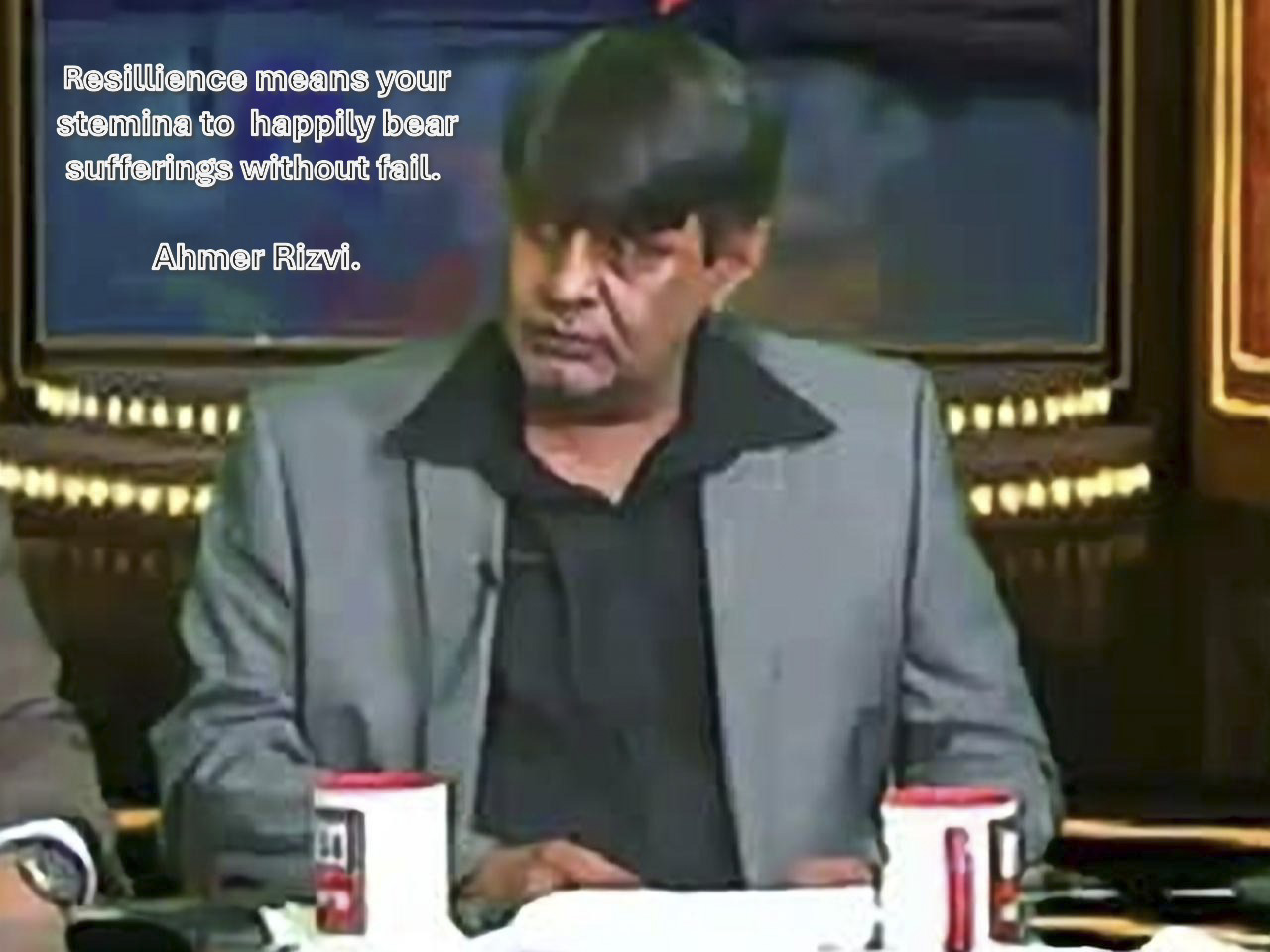
This may be one of the most important principles on this page. We often praise disabled people for resilience. And resilience is admirable.
But society should be careful.
Sometimes we celebrate resilience because it is easier than removing the barrier that required so much resilience in the first place.
A person should not need heroic strength simply to access an ordinary right.
Do not admire the struggle so much that you forget to remove the unnecessary obstacle.
Appreciate resilience. But improve the road.
WHAT A.D.D. MEANS BY “DISABLED FIRST”
It means:
Notice greater barriers. Prioritise timely consideration. Listen to the individual. Recognise invisible difficulty. Provide appropriate adjustment where possible. Protect dignity. Value ability. Do not confuse support with control. Do not mistake identical treatment for equality. Do not make somebody repeatedly prove what has already been established. Do not turn institutional convenience into another person's permanent disadvantage.
And above all:
See the human being before seeing the limitation.
FROM DISABILITY TO HUMANITY.
If we learn to do this well, something broader happens. We become slower to judge. More patient with different abilities. Better at listening. More suspicious of one-size-fits-all solutions. More willing to ask before assuming. More aware that another person's invisible journey may have begun long before they reached us.
These are not only disability lessons.
They are humanity lessons.
And perhaps that is why A.D.D. began here. Not because disability is the whole human story. But because understanding disability can teach us how much of the human story we have been walking past.